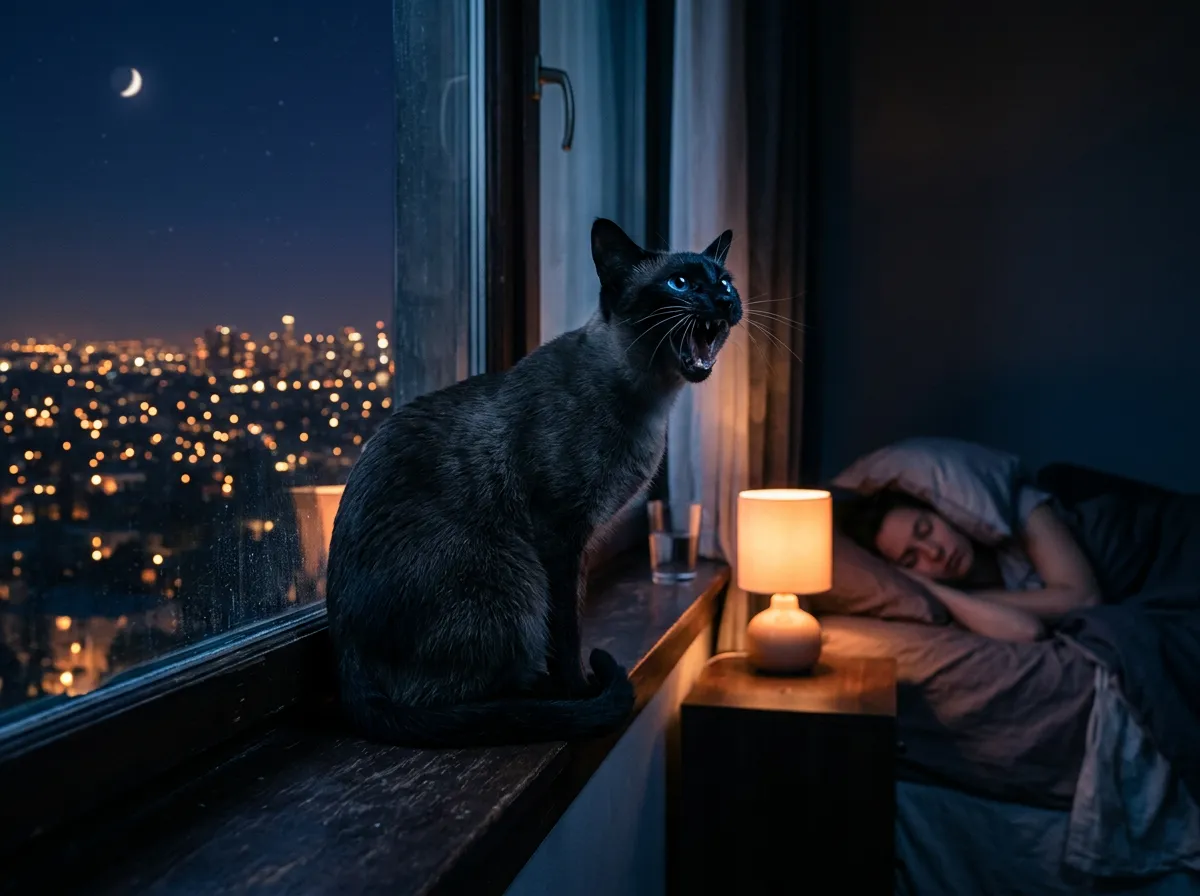
Adopted Cat Meowing All Night: How to Stop It
Bringing home an adopted cat is a joyous occasion, filled with purrs, cuddles, and maybe a few playful pounces. However, for many new pet parents, that joy can quickly turn to sleep deprivation when their new feline friend starts meowing all night. This common behavior, while frustrating, is almost always a sign of a cat trying to communicate its needs or feelings in a new, unfamiliar environment. The good news is that with patience, understanding, and a few practical strategies, you can help your adopted cat adjust to its new home and quiet those nighttime serenades.
Understanding Why Your Adopted Cat Meows All Night
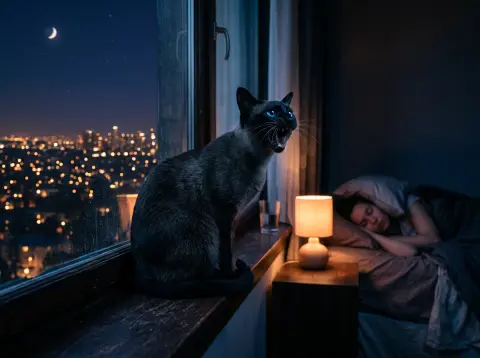
Most adopted cats meow at night because they are adjusting to a significant change in their lives, often feeling anxious, lonely, or simply confused by a new routine. Think about it from their perspective: they've just left a familiar, even if noisy, shelter environment and landed in a completely different place. Their world has been turned upside down, and meowing is their primary way of expressing themselves.
One of my adopted cats, Luna, came from a very active local shelter. She was used to constant sounds – other cats, dogs, volunteers, ringing phones. When she first arrived at my quiet home, the silence was probably deafening to her. She'd pace and meow, a low, searching sound, as if calling for her former companions or the familiar background noise. This isn't just about missing food; it's often a deep-seated feeling of being lost or unsafe.
Many cats are naturally crepuscular, meaning they are most active during dawn and dusk. This biological rhythm can conflict with human sleep schedules. They might be genuinely hungry if they're used to an earlier feeding time at the shelter, or they might simply be bored and seeking attention because their natural instincts tell them it's time to hunt or play.
Finally, some meowing can be a cry for attention. Cats quickly learn that a loud meow often gets a response from their human, whether it's food, petting, or even just a stern "quiet!" Any response, positive or negative, can reinforce the behavior, making them meow more.
Creating a Calm Environment for Your New Family Member
Establishing a predictable and calm environment is probably the single most effective way to help your adopted cat settle in and reduce nighttime meowing. Consistency is key here, especially in the first few weeks. Your goal is to make their new home feel safe, secure, and utterly predictable.
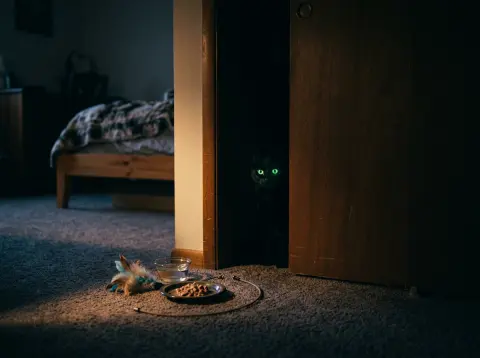
Initially, I recommend setting up a "sanctuary room" for your new cat. This should be a quiet space with their litter box, food, water, a comfortable bed, and hiding spots. This small, safe area helps them acclimate without feeling overwhelmed by an entire house. Gradually, you can introduce them to other parts of your home, but always ensure they have access to their sanctuary if they feel stressed.
Routine is important for cats. Try to establish a consistent schedule for feeding, playtime, and even quiet time. A good strategy is to have an energetic play session about an hour or two before your bedtime. Use interactive toys – wand toys, laser pointers (but always end with a tangible toy they can "catch"), or puzzle feeders – to tire them out both physically and mentally. My cat, Shadow, would chase a feather wand for twenty minutes straight, and then crash out for the night, deeply satisfied.
Feeding Strategies for Quieter Nights
Addressing hunger is a straightforward way to reduce night meows. Consider giving your cat a small, high-protein meal right before you go to bed. This helps them feel full and content through the night. It's not about letting them free-feed all day, but strategically timing their last meal.
Another excellent tool is an automatic feeder. You can program it to dispense a small portion of food early in the morning, perhaps 30 minutes before your usual wake-up time. This satisfies their natural crepuscular hunger without you having to get out of bed, and it teaches them that food comes from the feeder, not from meowing at you.
Many people find pheromone diffusers, such as Feliway Classic, helpful in reducing anxiety. These release synthetic feline facial pheromones that mimic the natural calming signals cats use to mark their territory as safe. Plug one into your cat's main living area or sanctuary room, and it can help them feel more relaxed.
Decoding Your Cat's Calls: When to Act and When to Ignore
It's easy to assume all night meows are just a cat being demanding, but that's rarely the full story, especially with an adopted cat. Learning to interpret different types of meows is a crucial skill for any pet parent. A short, sharp meow might be a greeting, while a long, drawn-out caterwaul could signal distress or pain.
Often, shelter staff can offer valuable insights into the typical vocalizations of specific cat breeds or even individual cats. I've learned that a newly adopted cat's "lost" meow – a low, mournful sound – is very different from the insistent, higher-pitched "I want food" meow. When you first bring a cat home, if they're meowing, it’s always best to first rule out basic needs: check their food and water bowls, ensure their litter box is clean, and confirm they have access to their safe space.
Once you've addressed all potential needs, and if the meowing persists and seems to be purely for attention, then you can begin to ignore it. This is tough, I know. It takes a strong will to lie in bed listening to a cat meow. But if you consistently get up and interact with them every time they meow for attention, you are teaching them that meowing works. The key is consistency; everyone in the household needs to be on the same page. If one person gives in, the training is undone.
A Realistic Timeline for Quieting Night Meows
Patience is not just a virtue; it's a necessity when you're helping an adopted cat adjust. There’s no magic bullet, and the timeline for quieting night meows varies greatly depending on the cat's personality, past experiences, and the consistency of your efforts. The ASPCA suggests that it can take several weeks for a cat to adapt to a new home and routine.
Here's a general week-by-week guide based on what I've observed:
- Week 1: The Initial Adjustment. Expect some meowing. Your focus should be on providing a safe, quiet space (the sanctuary room), ensuring all basic needs are met, and establishing a consistent feeding schedule. Minimal forced interaction. You might even consider playing some soft white noise in their room to mimic a familiar background hum, if they came from a noisy environment.
- Weeks 2-3: Building Routine and Trust. By now, your cat should be more comfortable in its sanctuary room. Start expanding their access to other parts of your home, always supervised. Increase interactive playtime during the day and especially before bed. Reinforce positive behaviors with treats and praise. Continue with consistent feeding times.
- Weeks 4-6: Reinforcing Quiet Nights. At this stage, you should see a significant decrease in night meowing. If it continues, re-evaluate their daytime stimulation and evening routine. This is when you can more confidently begin ignoring attention-seeking meows, knowing their needs are met.
- Beyond 6 Weeks: Continued Enrichment. Even after the meowing stops, keep up with the routine and enrichment. Cats thrive on predictability and mental stimulation. Introduce new toys, rotate old ones, and consider puzzle feeders to keep their minds engaged.
Remember, some cats, particularly more vocal breeds like Siamese, might always be a bit chatty. That's just part of their charm. Your goal is to reduce excessive, distressed, or attention-seeking meowing, not to silence them completely.
When to Call the Vet: Rule Out Medical Concerns
While most nighttime meowing in adopted cats is behavioral, it's always wise to rule out any underlying medical conditions, especially if the behavior is sudden, excessive, or accompanied by other symptoms. If your cat's meowing begins abruptly, changes in tone, or is coupled with changes in appetite, litter box habits, or activity levels, a visit to your veterinarian is definitely in order.
Older cats, in particular, can develop conditions that lead to increased vocalization at night. These can include hyperthyroidism, kidney disease, arthritis (pain can make them restless), or feline cognitive dysfunction (a form of dementia). A vet can perform a thorough examination, including blood tests if necessary, to diagnose or rule out these issues. A typical vet consultation for a new cat or a sudden change in behavior can range from $100 to $300, depending on your location and the specific tests required.
Never hesitate to contact your vet if you're concerned. They are your best resource for ensuring your beloved pet is healthy and comfortable. It's much better to be safe and get a professional opinion than to assume it's just a behavioral issue when there might be something more serious at play.
Ultimately, helping your adopted cat stop meowing all night is a journey of understanding and patience. Start tonight by establishing a clear, consistent evening routine with a good play session and a late meal. Give them time, provide a secure environment, and respond thoughtfully to their communication. Soon enough, you'll both be enjoying peaceful, quiet nights. For more tips on cat care and adoption, check out our blog.