Adopted Cat Not Eating: Causes and Solutions
Bringing home an adopted cat should be a joyous occasion, but it can quickly turn stressful if your new family member isn't eating. This common concern usually stems from stress, a change in environment, or a different diet, though sometimes it points to underlying health issues. As someone who's welcomed three dogs and two cats into my home from local shelters over the years, and volunteered with countless more, I know this worry firsthand. Most times, with patience and the right approach, your cat will start eating, but knowing when to act quickly is crucial.
Why Isn't Your Adopted Cat Eating? Understanding the First Few Days
Often, a newly adopted cat not eating is a direct response to the overwhelming changes they are experiencing - moving from a familiar shelter environment to a strange new home. This initial reluctance to eat is usually a sign of stress or an adjustment to a new diet, but it's important to rule out any immediate health concerns. Giving them space and a consistent routine can often help, but keep a close eye on their overall behavior.
The Shelter-to-Home Shock: Environmental Stress
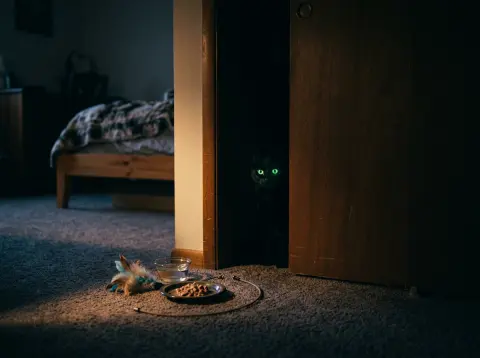
Imagine being suddenly dropped into an unfamiliar place, full of new sights, sounds, and smells. That's precisely what your adopted cat is experiencing. Even a loving home can feel like a scary, chaotic place at first. Cats are creatures of habit and territory, and a new environment can trigger anxiety, which often manifests as a loss of appetite.
I remember when I brought home Luna, my shyest rescue cat. For the first two days, she hid under the bed, barely touching her food. I placed her food and water bowl close to her hiding spot, put a Feliway diffuser in the room, and simply sat quietly in the room for short periods. It took time, but she eventually ventured out and ate. Providing a quiet, secure space - like a spare bedroom with plenty of hiding spots (a cardboard box, an open carrier, or blankets) - is essential for the first few days, if not weeks. Minimize loud noises, limit visitors, and let your cat initiate interaction on their own terms.
Dietary Discrepancies: What Were They Eating Before?
Another major reason an adopted cat might refuse food is a change in diet. Shelters typically feed a consistent, often budget-friendly, dry food. If you've immediately switched to a different brand, type, or even form of food (like going from dry to wet), your cat might turn up their nose. Their digestive system might also protest with an upset stomach, making them less inclined to eat.
Before you even bring your cat home, ask the shelter what food they were eating, how often, and what kind of bowl they used. Seriously, this detail matters. If possible, get a small supply of that exact food. If you want to switch to a new food, do it gradually over 7-10 days, mixing increasing amounts of the new food with decreasing amounts of the old. If you can't get the old food, try offering a few different high-quality wet food options in small amounts, as the aroma can be more enticing. Warming wet food slightly can also help release its scent.
When Past Trauma Haunts Mealtime: The "Rescue Reflex"
Sometimes, an adopted cat not eating isn't just about general stress; it's rooted in their past. Many rescue cats have experienced food insecurity, neglect, or even abuse before finding their way to a shelter. These experiences can create what I call the "Rescue Reflex" around food, manifesting in ways that might seem confusing to a new owner.
For instance, some cats might eat ravenously at first, as if it's their last meal, and then refuse to eat for a day or two. Others might hoard food, try to eat in secret, or become picky. I've seen cats at the shelter who would only eat if no one was watching, or if their bowl was placed in a specific, hidden corner. This isn't stubbornness; it's a deep-seated survival instinct. They might associate humans with unpredictable food access or even punishment.
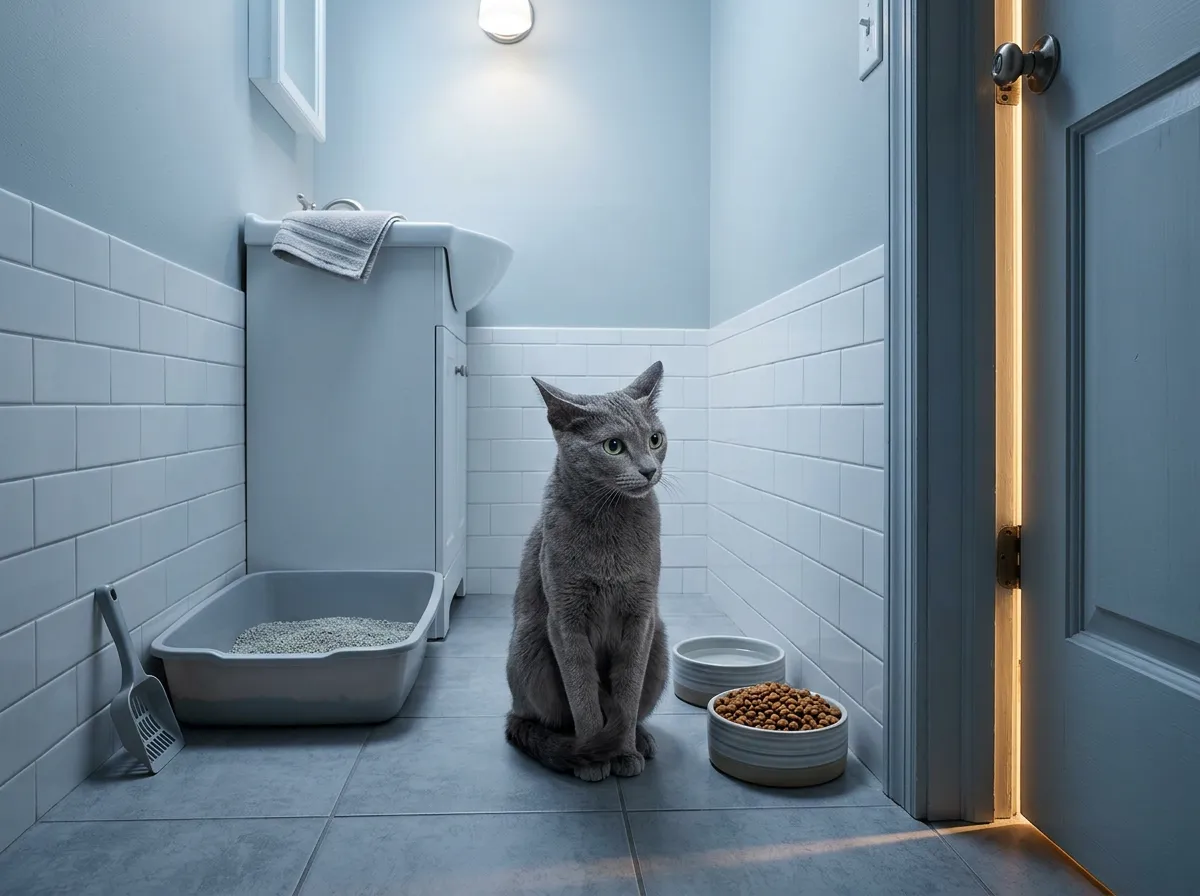
To help counteract this, create a predictable and secure feeding routine. Feed at the same times each day in a quiet, undisturbed location. Use a ceramic or stainless steel bowl, as plastic can retain odors and potentially cause chin acne. Consider a raised bowl if your cat seems uncomfortable bending down. Most importantly, don't hover while they eat. Give them space and privacy. Show them that food is always available and safe, and that they don't need to compete for it.
Beyond the First 48 Hours: Long-Term Strategies and Vet Consultation
While patience is key for a newly adopted cat, there's a critical window where not eating becomes a serious health concern. If your adopted cat is not eating or drinking for more than 24-48 hours, it's crucial to consult a veterinarian immediately. Cats can develop serious health issues, including hepatic lipidosis (fatty liver disease), very quickly when they stop eating, and dehydration can set in within 24 hours without water or hydrated food, potentially causing permanent kidney damage.
When to Call the Vet – It's Urgent!
Honestly, don't wait if your cat isn't eating. Even if they seem otherwise fine, a cat's metabolism isn't designed for fasting. Call your vet, or an emergency veterinary clinic if it's after hours. Be especially concerned if a lack of appetite is accompanied by other symptoms, such as lethargy, vomiting, diarrhea, difficulty breathing, or hiding more than usual. The American Veterinary Medical Association (AVMA) stresses the importance of early intervention for these kinds of issues. Your vet will perform a thorough examination, possibly blood tests, and check for dental problems, gastrointestinal issues, or other underlying illnesses.
Encouraging Appetite: Beyond the Basics
Once medical issues are ruled out, we can focus on behavioral support. Sometimes, a cat just needs a little extra encouragement. Try offering different types of food: pate versus shredded, chicken versus fish, or even a little bit of cooked, unseasoned chicken breast (in moderation, as a treat). Some cats prefer wet food, others dry. Experimenting with different textures and flavors can help you discover what appeals to them.
Consider food puzzles or interactive feeders. These can reduce boredom and stress by making mealtime a mentally stimulating activity, which can sometimes encourage eating. For cats who are still anxious, placing multiple small food bowls around their safe room can sometimes help, giving them options and reducing the pressure of one main feeding spot. My cat, Jasper, who was a stray, only started eating regularly when I introduced a puzzle feeder; it seemed to give him a sense of "earning" his food, which was oddly comforting for him.
| Issue | Potential Solution |
|---|---|
| New Home Stress | Provide a quiet, safe room with hiding spots. Use Feliway diffuser. |
| Dietary Change | Offer familiar food from the shelter, transition slowly over 7-10 days. |
| Picky Eater | Try different wet food textures/flavors. Warm wet food slightly. |
| Past Food Insecurity | Establish a consistent feeding routine. Provide privacy during meals. |
| Medical Concern | Contact a vet immediately if not eating for 24-48 hours. |
Setting Up for Success: Making Mealtime a Joy
Ultimately, building a healthy eating routine with your adopted cat takes time, patience, and a deep understanding of their unique needs and history. Consistency in feeding times and location, a quiet environment, and positive associations with mealtime are your best tools. Avoid hovering over them or trying to force them to eat, as this can increase their anxiety.
Remember, every cat is an individual. What works for one might not work for another. Stay observant, keep notes on what your cat does and doesn't respond to, and don't hesitate to seek professional advice from your veterinarian or a certified feline behaviorist if issues persist. Your commitment to understanding and supporting your new family member will eventually lead to a happy, well-fed cat. For more tips on cat care and adoption stories, check out our blog.