Adopted Dog Biting Family Members: Get Help Now
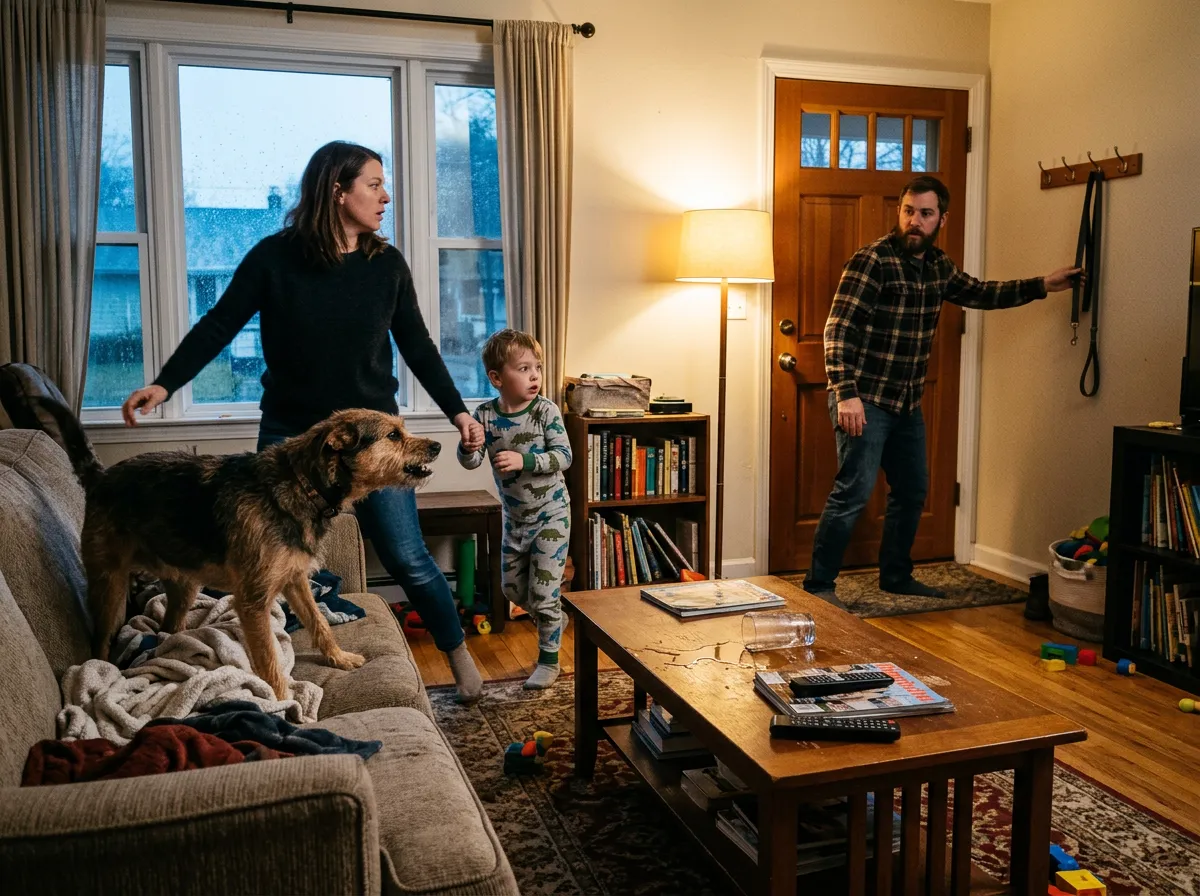
Bringing an adopted dog into your home should be a joyous occasion, not a terrifying one, and if your new dog is biting family members, you need to address it immediately, not hope it will just go away. This isn't a phase or a quirk; it's a serious behavioral issue that demands your full attention and a clear plan of action to ensure everyone's safety and the dog's well-being.
When Your Adopted Dog Biting Family Members Starts: Immediate Safety First
The first and most important step when an adopted dog is biting family members is to prioritize safety, which means preventing further incidents and protecting everyone in the household, especially children. Many adopters minimize initial nips or growls, hoping they'll vanish as the dog settles, but this is a dangerous gamble.
Consider this: your new dog is likely overwhelmed. They might be experiencing what's often called "shelter shock" or "honeymoon period" stress, where the initial calm gives way to anxiety as they realize this new place is permanent and their past coping mechanisms might resurface. I once adopted a Terrier mix named Winston from a shelter in Detroit who was sweet as pie for the first week. Then, around day ten, he snapped at my nephew over a dropped toy, a clear instance of resource guarding fueled by insecurity, despite his initial calm demeanor. That incident cost me $150 in urgent care for a small cut and taught me a hard lesson about vigilance.
Immediately, you need to establish strict management protocols. This includes:
- Supervision: Never leave your dog unsupervised with children or other vulnerable family members.
- Confinement: Use crates, baby gates, or a secure, dog-proof room to separate your dog when you cannot actively supervise them.
- Leash Management: Keep your dog on a leash even inside the house if their biting is unpredictable, especially during transitions or when new people are present.
- Muzzle Training: Begin positive muzzle training with a basket muzzle (like a Baskerville Ultra Muzzle) right away. This is not punishment; it's a safety tool that can allow for safer interactions and training while you work through the underlying issues.
Do not wait for another bite. Act now.
Understanding Why Your Adopted Dog Is Biting Family Members
Understanding the root cause of why your adopted dog is biting family members is crucial for effective intervention, as aggression is almost always a symptom of an underlying issue, not just "being mean." Many adopted dogs come with unknown histories, and their aggressive behaviors are often rooted in fear, pain, or a lack of appropriate socialization. According to the CDC, roughly 800,000 people seek medical attention for dog bites each year, with half of those being children, which highlights the serious nature of these incidents.
Several common factors contribute to biting behavior:
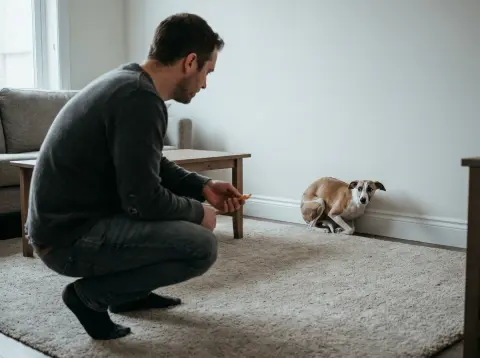
- Fear and Anxiety: This is a primary driver for many adopted dogs. New environments, unfamiliar people, loud noises, or sudden movements can trigger a fear response, leading them to bite defensively. They might have learned that biting makes scary things go away.
- Pain or Medical Issues: A dog in pain might snap or bite when touched, even gently. A sudden change in behavior, including aggression, warrants an immediate veterinary check-up. Conditions like arthritis, dental pain, or neurological issues can cause unexpected irritability.
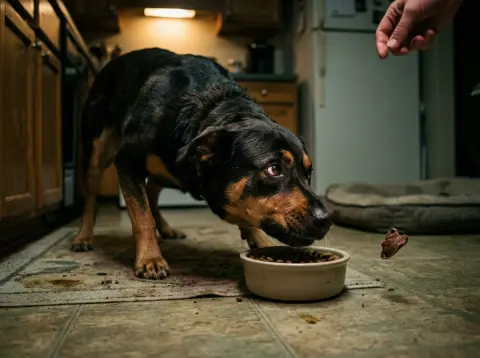
- Resource Guarding: This is when a dog becomes aggressive when protecting food, toys, sleeping spots, or even people. They perceive a threat to something they value and respond with aggression.
- Past Trauma or Lack of Socialization: Dogs from abusive backgrounds or those who missed critical socialization periods as puppies might not have learned appropriate communication skills. They might resort to biting because they don't know how else to express discomfort or fear.
- Overstimulation: Sometimes, especially with puppies or high-energy breeds, excessive play or petting can lead to overstimulation and nipping that escalates into harder bites.
Recognizing the warning signs before a bite is also vital. Look for stiff body language, growling, lip curling, a direct stare, whale eye (where the whites of the eyes are visible), tail tucked, or attempts to avoid interaction. These are all signals your dog is uncomfortable and might escalate to biting.
It can be heartbreaking to realize that some dogs, despite everyone's best efforts, carry burdens that make them unsuitable for typical family life. Shelters are often overflowing with dogs surrendered for behavioral issues, and the difficult truth is that while aggression can often be managed, it is rarely "cured" in the sense of completely disappearing. This reality is a heavy one for both adopters and shelter staff, contributing to the somber statistics of rehomed or euthanized animals each year.
The Puplister 7-Day Safety and Trust-Building Plan
Implementing a structured, consistent approach is essential when your adopted dog is biting family members, and this 7-day plan focuses on immediate safety, building trust, and establishing clear boundaries. This isn't a quick fix, but a foundation for long-term behavior modification, particularly for shelter dogs adjusting to a new home.
- Day 1-2: Establish a Safe Zone and Predictable Routine.
- Immediately set up a "safe zone" for your dog- a crate or a small, quiet room with their bed, water, and appropriate chew toys (like a Kong filled with peanut butter).
- Limit interactions to only necessary ones: feeding, potty breaks, and short, calm training sessions.
- Avoid any situations that have previously triggered biting. No free-roaming, no forced interactions.
- Start a predictable schedule for feeding, potty breaks, and rest. Predictability reduces anxiety.
- Day 3-4: Controlled Interactions and Positive Reinforcement.
- Begin very short (2-5 minute), highly controlled positive interactions. Approach your dog calmly, offer a high-value treat, and then disengage.
- Use a long leash (6-8 feet) even inside the safe zone to maintain control and prevent lunging if your dog becomes agitated.
- Focus on rewarding calm behavior. If your dog is relaxed in their crate, toss a treat in. If they look at you without growling, reward it.
- Introduce a basket muzzle for very short periods, paired with treats, even if just for a few seconds. This desensitization is critical.
- Day 5-6: Gentle Desensitization and Counter-Conditioning.
- If your dog has a specific trigger (e.g., someone approaching their food bowl), work on desensitization from a distance. Have a family member walk by the food bowl 10 feet away while your dog eats, rewarding calm behavior. Gradually decrease the distance over many sessions.
- Counter-condition by associating triggers with positive outcomes. If your dog barks at the mailman, give them a treat every time they see the mailman through the window (from a safe distance).
- Continue muzzle training, gradually increasing wear time.
- Day 7: Re-evaluate and Plan for the Next Steps.
- Observe any improvements in your dog's anxiety or reactivity.
- Consult with a certified professional. This plan is for immediate management, not a replacement for expert guidance.
- Begin to introduce short, supervised walks outside the safe zone, using a head halter like a Gentle Leader for better control if needed.
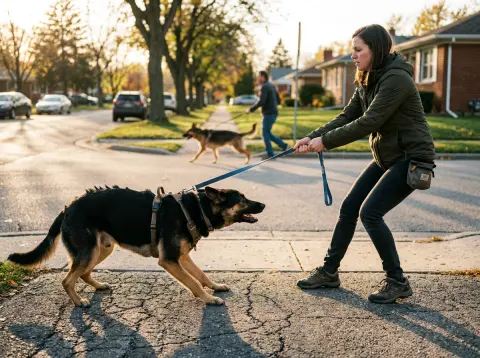
Remember, consistency is key. I once worked with an adopted German Shepherd named Rex in Kansas City who had severe leash reactivity and bit at anyone who came too close on walks. His adopters, a young couple, diligently followed a similar routine, using a muzzle and counter-conditioning with hot dogs, and within two months, they could walk him past other dogs without a single lunge. It took dedication, but it saved his placement.
Beyond the Bite: Supporting Adopters and Seeking Professional Help
The emotional toll of an adopted dog biting family members cannot be understated, and adopters often experience a crushing mix of fear, guilt, and sadness. It is okay to feel overwhelmed and to seek support for yourself as you work through this challenging situation.
Many adopters feel like failures if their rescue dog displays aggression. They worry about what others will think, or worse, that they've somehow made the problem worse. This isn't true. You opened your home to an animal in need, and you are taking steps to address a serious issue. That's responsible pet ownership, not failure.
Here's when to call in the professionals:
- Immediately, if the bites are severe: Any bite that breaks the skin, causes significant bruising, or requires medical attention for a person should prompt an immediate call to your veterinarian and a certified professional behaviorist.
- If you feel unsafe: If you are genuinely afraid of your dog, or if the aggression is escalating despite your best management efforts, you need expert help.
- For any aggression that continues: If the biting or aggressive displays persist beyond the initial adjustment period, or if you feel out of your depth, don't hesitate.
Consult your veterinarian first to rule out any underlying medical conditions. They can also refer you to a veterinary behaviorist (a DVM with specialized training in behavior) or a certified professional dog trainer/behaviorist (CPDT-KA, CDBC, or similar certifications). Organizations like the American Veterinary Society of Animal Behavior (AVSAB) or the Certification Council for Professional Dog Trainers (CCPDT) can help you find qualified professionals in your area. Avoid trainers who advocate for punitive methods, as these can exacerbate fear-based aggression.
Sometimes, despite all efforts, the prognosis for a dog with severe aggression may be poor, especially if there's a history of serious bites. Making the decision to rehome or, in extreme cases, consider euthanasia, is an agonizing one, but it can be the most humane choice for both the dog and the safety of the community. This is a difficult conversation to have, but a professional can guide you through it without judgment.
You are not alone in this struggle.
Prioritize safety, seek professional help, and make the best decision for everyone involved.