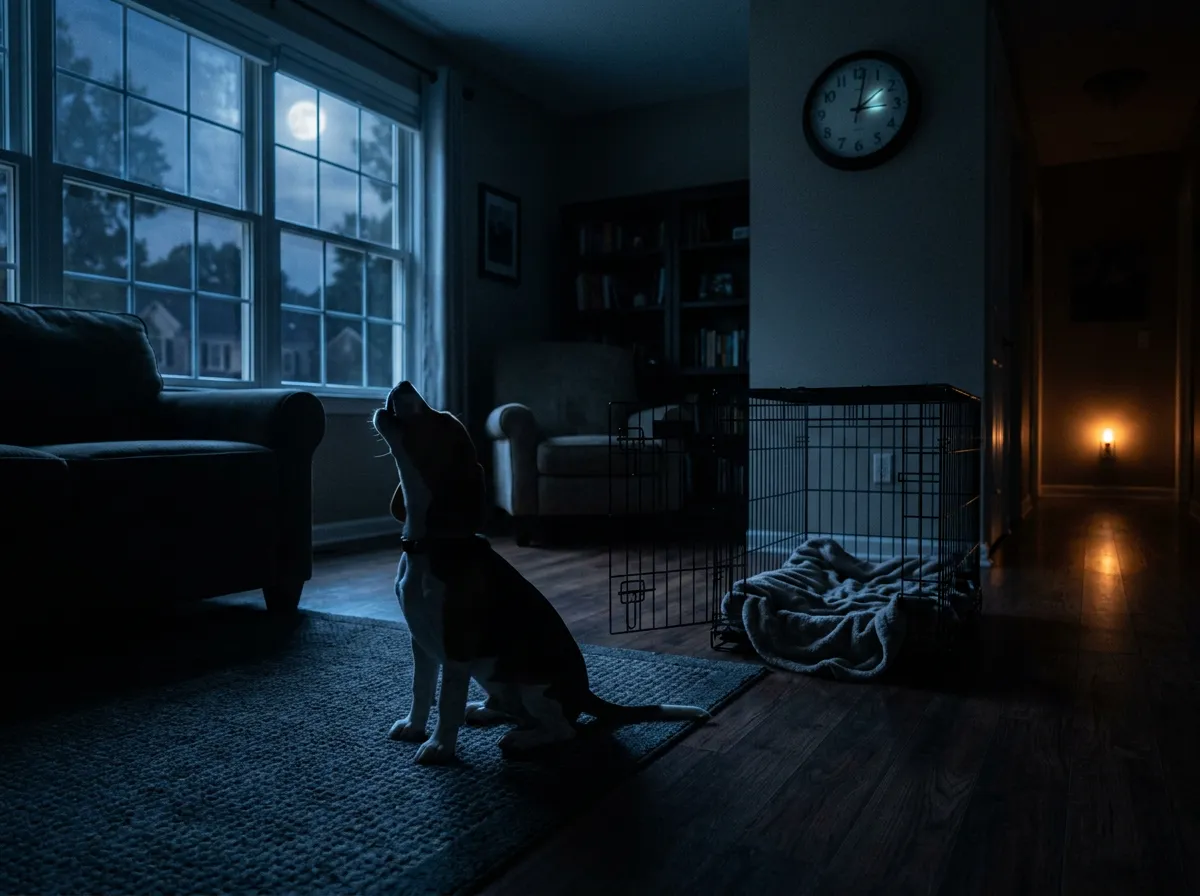
Adopted Dog Crying All Night: How to Stop It
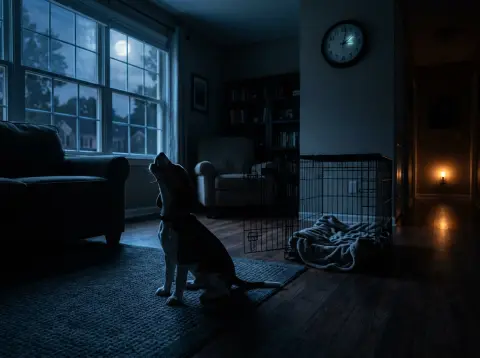
Bringing home an adopted dog is a moment of pure joy, but when your new dog starts crying all night, that joy can quickly turn into exhaustion and worry. The good news is, this behavior is almost always a temporary phase. Your dog isn't trying to annoy you; they're simply expressing feelings of fear, uncertainty, or discomfort in their new environment. With patience, understanding, and the right strategies, you can help them settle in and enjoy peaceful nights.
Why Your Adopted Dog Might Be Crying All Night
Most adopted dogs cry at night because they are adjusting to a completely new world. Think about it: they've left the familiar (even if stressful) sounds and smells of the shelter for a strange, quiet place. This can trigger feelings of anxiety, loneliness, or even confusion about where to relieve themselves. It is a normal reaction, and understanding the root cause is the first step toward finding a solution.
Is It Potty Time or Panic? Decoding the Whine
Distinguishing between different types of cries is key to addressing them effectively. Not all cries mean the same thing, and responding appropriately can build trust and establish good habits. Here are some common reasons and how to tell them apart:
- Potty Need: This cry often sounds urgent and might be accompanied by pacing or scratching at a door. Dogs naturally do not want to soil their sleeping area. If your dog has not been out recently, this is a strong possibility.
- Separation Anxiety or Loneliness: This cry can be more prolonged, mournful, and continuous. It happens because your dog misses the presence of others, whether human or canine. It is a common issue for dogs used to sleeping near other animals or people in a shelter setting.
- Fear or General Anxiety: This might be a soft whimper or a more frantic bark, often triggered by new sounds or shadows. Dogs from traumatic backgrounds or those who had long shelter stays might be particularly sensitive to unfamiliar environments.
- Discomfort or Pain: A sudden, sharp yelp or continuous low groan could indicate physical discomfort. This is less common for night crying but always worth ruling out with a vet visit if other signs are present.
- Attention-Seeking: Some clever dogs quickly learn that crying gets your attention, even if it is just to tell them "no." If all other needs are met and the crying stops immediately when you appear, this might be the case. This is one you do not want to reward.
Creating a Sanctuary: Your Dog's First Few Nights Home
The first few nights are critical for establishing routines and building trust. My own experience with adopting Misha, a timid German Shepherd mix, taught me that a structured, calm environment makes all the difference. She cried for two nights straight until I realized her previous shelter crate was open and facing a wall, giving her a sense of security. Here's a plan for those initial days:
The First Week: Setting the Stage for Calm
Establishing a predictable routine from day one helps your adopted dog understand what to expect. This predictability reduces anxiety and helps them feel safe. Most shelter volunteers will tell you that consistency is your best tool during the decompression period, which can take several weeks for some dogs to settle in.
- Designate a Sleep Spot: Offer a comfortable, secure sleeping area. A crate is often ideal because it mimics a den, providing a safe, enclosed space. Place it in your bedroom initially. This close proximity can be reassuring for a dog who has just lost everything familiar.
- Consistent Potty Breaks: Take your dog out right before bed and first thing in the morning. A middle-of-the-night potty break might be necessary for the first few days, especially for puppies or older dogs. Reward them heavily for quiet potty breaks outside.
- Tire Them Out (Appropriately): Ensure your dog gets plenty of physical exercise and mental stimulation during the day. A good long walk or a vigorous play session an hour or two before bed can help them sleep more soundly. Puzzle toys like a Kong filled with peanut butter can also provide mental exercise.
- Routine is King: Feed them at the same times each day, walk them on a schedule, and create a consistent bedtime ritual. This could be a final potty break, a quiet cuddle, and then into their bed.
- Background Noise: Sometimes, the quiet of a new home can be unsettling. A white noise machine, a fan, or even a talk radio station played softly can mask sudden outdoor sounds and provide a comforting hum.
Crate Training for the Shelter Graduate
Many adopted dogs have had prior crate experience, good or bad. If your dog shows resistance, do not force it. Instead, make the crate a positive place. My first rescue, Buster, hated crates until I started feeding him all his meals inside it with the door open. It took a week, but he eventually saw it as his safe space.
- Make it Inviting: Put soft bedding, a favorite toy, and a treat-filled Kong inside. Leave the door open during the day so they can explore it on their own terms.
- Positive Associations: Feed meals in the crate. Never use the crate as punishment.
- Gradual Introduction: Start with short periods, perhaps just 10-15 minutes, while you are still in the room. Gradually increase the time and begin leaving the room for short intervals.
- Cover the Crate: A blanket over the crate can create a den-like feel, blocking out visual stimuli that might cause anxiety. Ensure there's still good airflow.
Beyond Basic Needs: Addressing Deeper Anxieties
Sometimes, the crying goes beyond simple adjustment. Dogs, especially those from local shelters, can carry baggage from their past. Understanding this helps us respond with greater empathy.
Understanding Past Experiences and Their Impact
Dogs who have experienced neglect, abandonment, or frequent changes in environment may develop deeper anxieties. A dog that spent months in a kennel, even a good one, might find the sudden quiet of a home unsettling. They might also have learned to associate being alone with negative experiences. This isn't something you can fix overnight, but acknowledging it changes your approach.
- Patience is Not a Virtue, It's a Requirement: It can take "months and months" for a rescue dog to settle and feel comfortable in their new home. This isn't a race.
- Comforting Scents: A blanket or towel from the shelter, if available, can provide a familiar scent. Pheromone diffusers, like Adaptil, can also release calming dog-specific pheromones into the air, helping to reduce anxiety.
- Build Trust During the Day: Spend quality time together during waking hours. Gentle play, training sessions, and quiet cuddles help build your bond and reinforce that you are a source of safety and comfort.
- Avoid Reinforcing Fear: While you want to comfort your dog, avoid overly coddling them when they are anxious, as this can inadvertently reinforce the behavior. A calm, reassuring presence is better than frantic petting.
When to Call in the Pros: Vets and Behaviorists
Most adopted dog crying at night will resolve within a few days to a few weeks with consistent effort. However, there are times when you should seek professional help. If the crying is intense, constant, accompanied by destructive behavior, or if your dog is not eating or drinking, a vet visit is in order. A consultation with a licensed vet may cost around $49 AUD, but it is worth it for peace of mind and to rule out any underlying medical issues.
- Rule Out Medical Issues: Your veterinarian can check for pain, urinary tract infections, or other health problems that might be causing discomfort.
- Discuss Anti-Anxiety Options: For severe cases, your vet might suggest short-term anti-anxiety medication or supplements to help your dog through the initial adjustment period.
- Seek a Certified Professional Dog Trainer or Veterinary Behaviorist: If the crying persists for more than a few weeks despite your best efforts, or if you suspect severe separation anxiety, a professional can provide tailored strategies and behavior modification plans. The blog often has articles on finding reputable trainers.
Patience, Consistency, and Love: The Long-Term View
Bringing an adopted dog into your home is a commitment, and those first few weeks are just the beginning. The goal is to create a secure, loving environment where your dog feels safe enough to relax and sleep soundly. Remember that exercise releases serotonin in a dog's brain, promoting a calming feeling, so physical activity is always a great tool.
Every dog is an individual, shaped by their past experiences and their unique personality. What works for one dog breed might not work for another. Be patient with your new family member and, most importantly, be patient with yourself. You are doing a wonderful thing by giving a dog a second chance.
If your adopted dog is crying all night, start by ensuring their basic needs are met, establishing a consistent routine, and making their sleeping area a true sanctuary. Then, give them time and unwavering support. You will both get through this, and soon, you will have quiet, restful nights together.