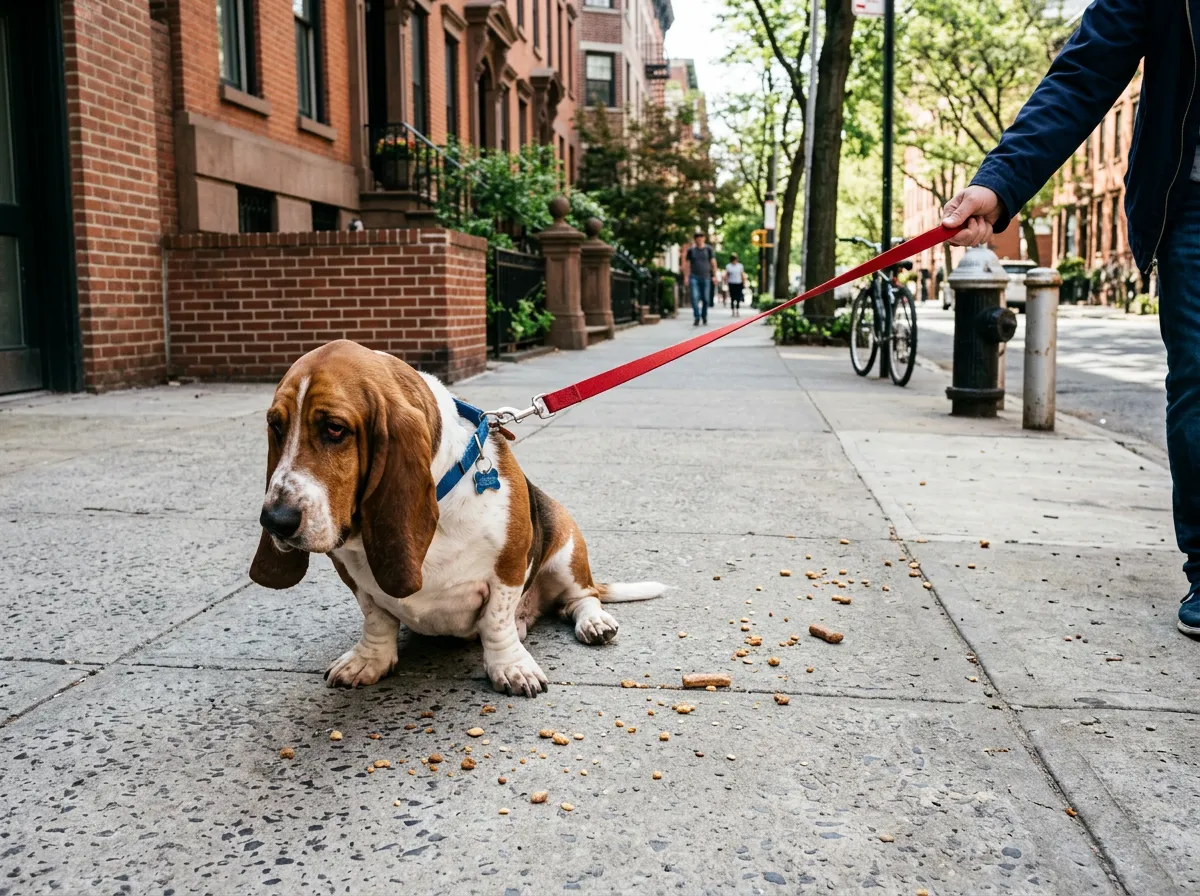
Adopted Dog Won't Walk on a Leash: Training Tips
Approximately 6.3 million animals enter U.S. animal shelters nationwide every year, and many of these dogs carry histories that make the transition to a new home - and new routines like leash walking - challenging. Finding that your adopted dog won't walk on a leash can feel frustrating, especially when you're eager to explore the world together, but it is a common issue with clear, actionable solutions.
Why is My Adopted Dog Refusing to Walk on a Leash?
Your adopted dog might be refusing to walk on a leash for several reasons, often rooted in past experiences or a lack of exposure to the outside world. Many shelter dogs have never been leash trained, while others may associate the leash with negative experiences, such as being pulled roughly or confined. Fear of new sounds, sights, and smells can also overwhelm a dog, causing them to freeze or resist movement.
Consider the background of your dog. A former street dog might find the leash restrictive after a life of freedom. A puppy mill survivor, like the Greyhound I fostered named Comet from a racing kennel in Phoenix, AZ, who had spent his entire life in a small enclosure, was terrified of open spaces and the sensation of a collar, let alone a leash. For him, the leash was a symbol of forced movement into an unknown, scary world. Pain or an undetected injury could also be a factor, so ruling out medical issues with a vet visit is always the first logical step before assuming behavioral causes.
Decoding Canine Communication: What Your Dog's Body Language Says
Understanding your dog's subtle body language is crucial when they resist leash walking, as their cues tell you whether they are fearful, overstimulated, or simply unsure. Dogs communicate distress in ways that are often missed by human observers, and recognizing these signals allows you to adjust your approach and prevent further negative associations.
Watch for these specific signs during leash training:
- Lip Licking or Yawning: These are often "calming signals" indicating stress, not just hunger or tiredness.
- "Whale Eye": When the whites of their eyes are visible, it's a clear sign of anxiety or discomfort.
- Low Tail Carriage or Tucked Tail: A classic sign of fear or submission.
- Freezing or Refusing to Move: This isn't stubbornness; it's often a dog shutting down due to overwhelming fear.
- Shaking or Trembling: Even if the weather isn't cold, this suggests high anxiety.
- Panting Heavily (without exertion): Another common stress indicator.
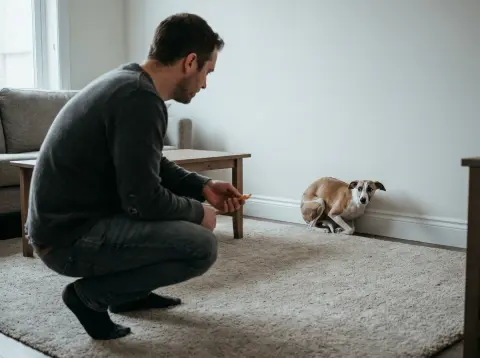
- Crouching or Hunching: Trying to make themselves smaller and less noticeable.
If you observe any of these behaviors, stop what you are doing. Pushing a dog past their comfort level when they are displaying these signs can set back your training significantly, creating stronger negative associations with the leash and walks.
Starting Small: Building Positive Leash Associations Indoors
The most effective way to help an adopted dog that won't walk on a leash is to start by creating positive associations with the equipment and the act of walking, beginning in a safe, familiar environment. This method is about building trust and confidence slowly, without overwhelming them with the outside world too soon.
- Introduce the Collar/Harness: Begin by simply letting your dog wear a comfortable, well-fitting collar or harness (I recommend a dog breed specific harness like the Freedom No-Pull Harness for initial training, as it distributes pressure evenly). Put it on for short periods while they are distracted with a meal or a favorite chew toy. Remove it before they get uncomfortable.
- Attach the Leash: Once they are comfortable with the harness, clip the leash on while still indoors. Let them drag it around for a few minutes, always supervised, so they get used to the feel and sound without any pressure from you.
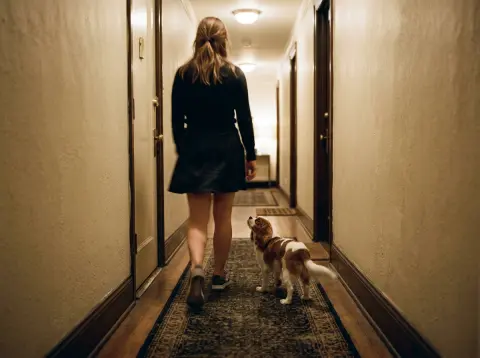
- Practice Indoor Walking: Hold the leash and walk a few steps inside your home or a fenced yard. Use high-value treats and praise every tiny step they take forward with the leash on. If they stop, lure them with a treat. Keep sessions very short- 2 to 5 minutes at most.
- Gradual Outdoor Exposure: When they are confidently walking indoors, move to a very quiet outdoor space, like your backyard or a secluded part of a park during off-peak hours. Continue with short, positive sessions, building up distance and duration over days or even weeks.
Remember, patience is the ultimate tool in your training kit.
Beyond the Walk: Creative Exercise and Enrichment for Leash-Shy Dogs
While you're working on leash training, it is essential to provide alternative ways for your adopted dog to get physical exercise and mental stimulation. A dog that isn't getting enough outlets for their energy and curiosity will be harder to train and more prone to anxiety.
Consider these options:
- Scent Games: Hide treats around your house or yard and encourage your dog to find them. This engages their powerful sense of smell and provides mental enrichment.
- Puzzle Toys: Fill Kong toys or other puzzle feeders with kibble or wet food to keep them occupied and thinking.
- Flirt Pole: A stick with a rope and a toy attached, a flirt pole is like a giant cat toy for dogs, allowing them to chase and pounce in a contained space, burning energy quickly.
- Indoor Fetch or Tug: If your dog enjoys these games, they can be great ways to get some physical activity indoors.
- "Sniffaris" in the Yard: If you have a fenced yard, let your dog explore every corner, sniffing to their heart's content. This provides valuable mental stimulation even if they aren't walking far.
A dog whose needs are being met in other ways will often be more receptive to new training and less stressed overall.
Addressing Specific Leash Training Challenges
Some adopted dogs present unique challenges during leash training, and addressing these with tailored strategies can make a significant difference. You might encounter a dog that only wants to walk in one direction, or one that completely shuts down outside the home.
One particular terrier mix I fostered, Barnaby, adopted from a local shelter in Charleston, SC, would only walk south down my street. If I tried to turn north, he'd flatten himself to the pavement. For dogs like Barnaby, I found success by driving him a few blocks away and walking him back home. The "walk home" instinct often overrides the fear of the leash or new surroundings. Another approach is to work with a trusted friend and their calm, leash-confident dog. Sometimes, a fearful dog gains confidence by walking alongside a relaxed canine companion.
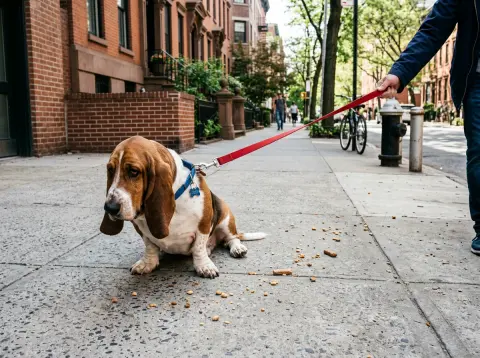
For dogs that freeze, avoid pulling or dragging them. Instead, crouch down, offer a high-value treat right to their nose, and make encouraging sounds. If they don't move, take a step back, let the leash go slack, and wait. Sometimes, simply sitting quietly with them for a few minutes until they calm down and decide to move on their own is the best strategy. Remember, this isn't a race; it's about building positive experiences.
When to Seek Professional Help
Despite your best efforts, some adopted dogs with significant leash-related fears or trauma may require the guidance of a professional trainer or veterinary behaviorist. Recognizing when you need expert assistance is a sign of responsible pet ownership, not a failure.
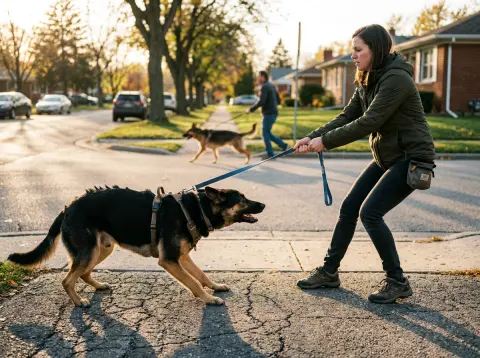
If your dog displays aggression on leash, experiences severe panic attacks, or shows no progress after several weeks of consistent, positive training, it's time to call in the pros. A certified professional dog trainer (CPDT-KA) or a veterinary behaviorist can assess your dog's specific needs, identify any underlying anxiety or phobias, and create a tailored training plan. They can also introduce tools like a Gentle Leader head halter, which offers more control without discomfort, or discuss medication options if anxiety is severe. Investing in professional help can set both you and your adopted dog up for long-term success and a happier life together.
Helping a fearful dog discover the joy of a walk is one of the most rewarding parts of adoption.