Adopting a Dog for RV Life: Breeds and Tips
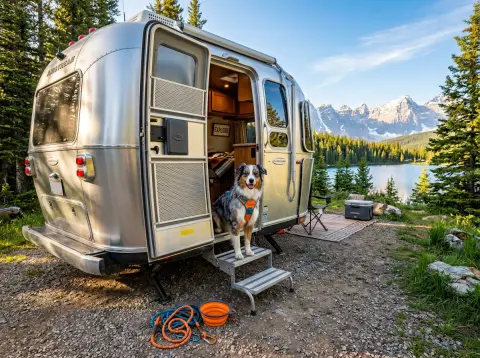
The open road, new sights, and the freedom of RV life - it sounds like a dream, especially with a dog for adoption by your side. Bringing a canine companion into your mobile home can add immense joy and adventure, but it also requires careful planning and a good understanding of what shelters look for in adopters. This isn't just about picking a cute face; it's about finding a co-pilot whose personality fits the unique demands of life on wheels.
Matching Your RV Life with the Right Dog: Beyond Breed
Finding the right dog for your RV adventures means looking past common breed stereotypes and focusing squarely on individual temperament and adaptability. While many articles might give you a list of "best RV breeds," the truth is, a dog's personality and how they handle change are far more important than their lineage. You're looking for a dog that embraces new sights and sounds with curiosity, not anxiety.
Honestly, I've seen everything from tiny Chihuahuas to large Mastiffs happily traveling in RVs. What made them successful wasn't their breed, but their calm demeanor and ability to adjust. For example, some people swear by smaller dog breeds like a Cavalier King Charles Spaniel or a French Bulldog because they don't take up much space. However, French Bulldogs, while charming, can struggle with heat and require careful temperature management, which is something to consider if you're traveling in warmer climates. I once fostered a Frenchie who hated the AC fan noise, making summer travel a real challenge.
Consider instead dogs known for their generally laid-back nature, regardless of size. Greyhounds, often retired racers, are surprisingly calm couch potatoes indoors, despite their speed outdoors. Basset Hounds, too, can be excellent, though their strong scent drive means they need secure leashing. Many mixed breeds from local shelters also make fantastic travelers, often displaying a wonderful blend of traits. The ASPCA estimates that approximately 63% of RV owners already have pets, and an estimated 6.2 million dogs are traveling alongside their owners in RVs, showing just how common and successful this lifestyle can be with the right match.
When you're looking at different browse breeds or mixes, think about what your RV life entails. Do you hike every day, or do you prefer quiet evenings? Your dog's energy level should complement your activity level. A high-energy Border Collie might be restless in a small space, even with regular walks, while a lower-energy senior dog might be perfectly content with shorter strolls and plenty of naps.
Navigating the Adoption Process as an RVer
Adopting a dog when your home is on wheels presents some unique challenges with shelter applications, but they are manageable with preparation and transparency. Shelters want to ensure their dogs go to stable, loving homes, and a transient lifestyle can raise questions about permanence and access to veterinary care. Don't hide your RV life - address it head-on.
Most shelters require a permanent address for their records and often conduct home visits. If you use a family member's address or a mail forwarding service, be upfront about it. Explain your living situation clearly and demonstrate how you plan to provide a consistent, safe environment for the dog. Many shelters are adapting to virtual home visits, so be prepared to give a video tour of your RV, highlighting safety features like secured cabinets, designated sleeping areas, and how you manage temperature. Showing them your setup can ease many concerns.
You'll also need to show proof of financial stability to care for a dog. This includes budgeting for adoption fees, which typically range from $50 to $300, and initial vet visits, which can cost $100 to $300 for a check-up, core vaccines (like DHPP and rabies), and microchipping. I always recommend having an emergency fund of at least $500 for unexpected veterinary needs, especially when you're on the road and might not have access to your regular vet. Being able to provide references, especially from previous veterinarians if you've owned pets before, will also strengthen your application.
Here's a tip that many articles miss: ask about temporary fostering or "trial runs." Some progressive shelters might allow you to foster a dog for a week or two to see how they adapt to your RV environment before finalizing the adoption. I've seen this work wonders, giving both the dog and the adopter a realistic preview of life together. It reduces the risk of a failed adoption and provides invaluable insight into the dog's true personality when they're out of the stressful shelter setting.
Preparing Your New Co-Pilot for Life on the Road
Integrating a rescue dog into RV life requires a thoughtful, gradual approach to help them feel secure and comfortable in their new, ever-changing home. Consistency is your most powerful tool in making this transition smooth, even if your scenery changes daily.
Start with crate training, which is essential for RV dogs. A collapsible crate provides a secure, personal den for your dog, offering safety during travel and a quiet retreat when parked. Introduce the crate slowly with positive reinforcement and never use it for punishment. My rescue Lab, Winston, initially hated his crate, but after a few weeks of treats and praise, it became his safe haven, especially during long drives. He even learned to put himself to bed in it.
Temperature management is another critical factor. RVs can heat up quickly, even on mild days. Invest in a reliable pet monitor, like a Wagz or Petcube, that alerts you via your phone if the temperature inside your RV gets too high or too low. This is not optional; it's a safety necessity. Always have a plan for climate control, whether it's running your AC, parking in the shade, or having a trusted friend check on your dog if you leave them alone.
Establish a consistent routine for feeding, potty breaks, and exercise, no matter where you are. Dogs thrive on predictability. Try to feed them at the same times each day and offer potty breaks every few hours, especially after waking up and before bed. For exercise, even if you're in a new campground, stick to a similar schedule - a morning walk, an afternoon play session, and an evening stroll. This helps your dog feel grounded in an otherwise variable environment.
Managing anxiety in a constantly changing landscape takes patience. Desensitize your dog to engine sounds by starting the RV for short periods before you plan to leave. Take short drives before embarking on long journeys. When you arrive at a new location, give your dog time to explore and acclimate to the new smells and sounds on a leash before expecting them to be perfectly relaxed. Remember that every new campground is a new "home" for them to learn.
Finally, compile an emergency packing list. This should include plenty of water, their regular food (to avoid stomach upset), a first-aid kit specifically for dogs, copies of their vaccination records, and your vet's contact information. Also, include the contact details for a national vet helpline like the ASPCA Animal Poison Control Center (888-426-4435) and a list of emergency veterinary clinics along your planned route. Having these resources readily available can make a stressful situation much more manageable.
Finding Your Perfect Match: Temperament Over Label
When you visit a shelter, focus less on a dog's breed label and more on observing their actual behavior and personality traits in different situations. This is where your personal interaction and careful observation become your best tools for finding an RV-ready companion. Forget what you think a certain breed "should" be like; focus on the individual dog in front of you.
Watch how a dog reacts to different stimuli. Are they easily startled by loud noises, or do they take new sounds in stride? Do they seem overwhelmed in their kennel, or do they greet you with a calm curiosity? Ask shelter staff about the dog's history, if known, and specifically inquire about their adaptability, noise sensitivity, and any signs of separation anxiety. A dog that struggles with being alone in a quiet house will likely struggle even more in a confined RV when you step out.
Don't just gravitate towards the quietest dog in the kennel, assuming they're calm. Sometimes, a dog is quiet because they are completely shut down or overwhelmed by the shelter environment. Ask to spend time with the dog in a quieter area, like a meet-and-greet room or an outdoor play yard. See how they interact when they're a bit more relaxed. Do they seek attention, or are they content to explore independently? Both can be good traits for an RV dog, depending on your preferences.
Consider adopting an older dog. Senior dog breeds often come with the added bonus of being past the chaotic puppy stage. They are frequently house-trained, have lower energy requirements, and are generally calmer and more settled, making them excellent candidates for the RV lifestyle. While an American Kennel Club survey once reported that over 85% of Golden Retriever owners found their dogs friendly to strangers, remember that individual shelter dogs, regardless of breed, will have their own unique personalities shaped by their past experiences.
Look for a dog that shows resilience and a willingness to engage, but also one that can settle down easily. A dog that can relax at your feet while you read, but is also excited for a walk, is often an ideal RV companion. Building a strong bond through consistent training and positive experiences will also help your dog feel secure, no matter where your wheels take you.
To start your journey, begin by researching local shelters in your area or near your permanent mailing address. Contact their adoption counselors and be completely transparent about your RV lifestyle. Explain your plans for providing a stable, loving environment, and ask about their specific requirements for RVing adopters. You might just find your perfect co-pilot waiting.