Can You Adopt a Cat If You Rent an Apartment?
Let's be clear: you can adopt a cat if you rent an apartment, and anyone who tells you otherwise is probably clinging to outdated notions about pet ownership and housing.
The idea that only homeowners deserve the companionship of a cat is simply ridiculous and ignores the reality of modern living.
Yes, You Can Adopt a Cat While Renting an Apartment – Here's How
Adopting a cat while renting an apartment is not just possible, it is a common and rewarding experience for countless individuals. The key lies in proactive planning, clear communication with your landlord, and a genuine commitment to creating a suitable environment for your new feline family member. This approach demonstrates responsibility and significantly increases your chances of a successful adoption, proving to both landlords and shelters that you are a dedicated pet parent.
Understanding Your Lease and Landlord's Expectations
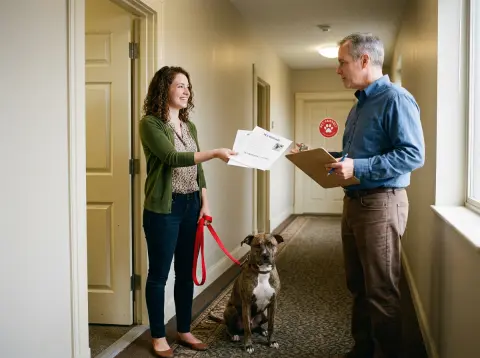
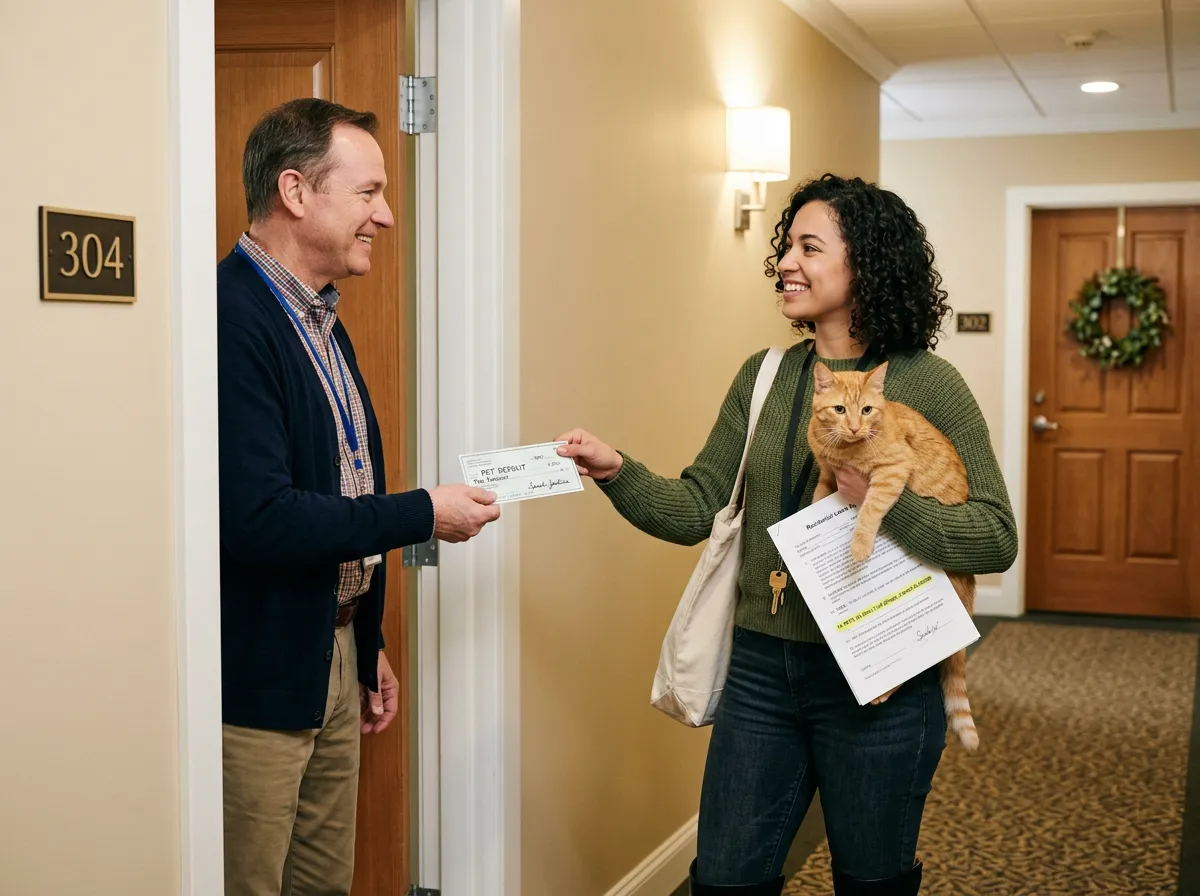
Your first step must always be to review your lease agreement thoroughly. Many landlords have specific clauses about pets, outlining whether they are allowed, what types, and any associated fees. Expect to see requirements for a pet deposit, which can range from $200 to $500, and potentially monthly pet rent, often between $25 and $75. These costs are standard and should be factored into your budget before you even start looking at cats for adoption.
Approaching your landlord directly, even if your lease seems to prohibit pets, can sometimes yield positive results. Consider creating a "pet resume" for your potential cat-to-be – no, I'm not joking. This document can include a letter from you explaining your commitment, details about the cat's expected temperament (e.g., adult, spayed/neutered), and even references from previous landlords or veterinarians, if applicable. My friend, Sarah, convinced her landlord in New Orleans to allow her Siamese mix, Shadow, by presenting a binder with Shadow's vet records, a photo, and a promise to carry extra renter's insurance in 2021. It worked.
Choosing the Right Cat for Apartment Living
Selecting a cat with a temperament suited for apartment life is crucial, though it is often less about breed and more about individual personality. Generally, an adult cat (over 2 years old) or a pair of bonded adult cats will adapt more smoothly to smaller spaces than a rambunctious kitten. Kittens have endless energy and need constant supervision and play, which can be challenging to provide adequately in a confined space without proper preparation.
Consider a cat with a calm demeanor, perhaps one that prefers lounging in sunbeams to scaling curtains. Senior cats or those with special needs often thrive in quieter, indoor environments and make wonderful apartment companions. Shelters are excellent at matching personalities to lifestyles. They understand that indoor-only cats live, on average, about three times longer than cats allowed to roam outside, making them keen to find safe indoor homes.
Preparing Your Apartment for a Feline Friend
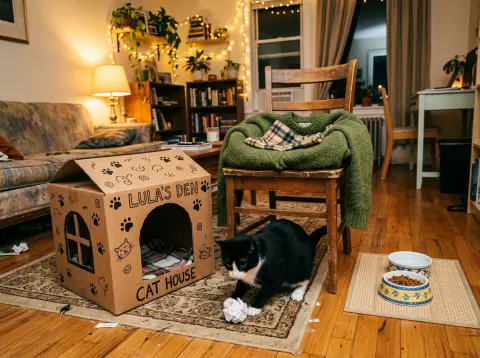
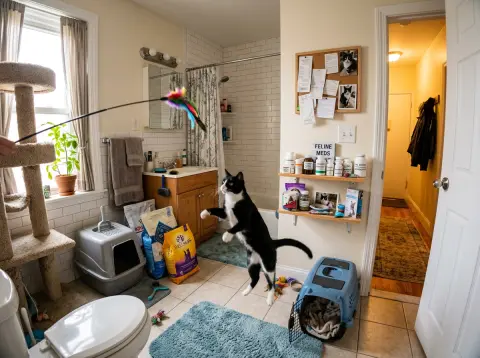
Transforming your apartment into a cat-friendly sanctuary doesn't require a massive overhaul, but it does demand thoughtful preparation. Start with the basics: food and water bowls, a comfortable bed, and most importantly, litter boxes. The general rule of thumb for litter boxes is one per cat, plus one extra. So, for one cat, you need two litter boxes. Place them in quiet, accessible locations and scoop them daily to prevent odors and encourage consistent use.
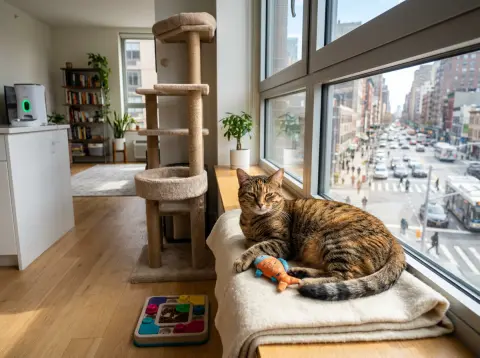
Scratching is a natural cat behavior, and you must provide appropriate outlets. Offer multiple scratching posts – vertical ones, horizontal ones, cardboard scratchers – made from different materials like sisal, carpet, and corrugated cardboard. Place them strategically near furniture your cat might otherwise target. Providing vertical space with cat trees or wall-mounted shelves allows your cat to explore, observe, and feel secure, which is essential for their well-being in a smaller footprint. I once saw a Maine Coon mix named Mittens in a Boston studio apartment in 2022 that had an entire wall dedicated to cat shelves, and Mittens was the happiest apartment cat I had ever encountered.
Navigating the Shelter Adoption Process as a Renter
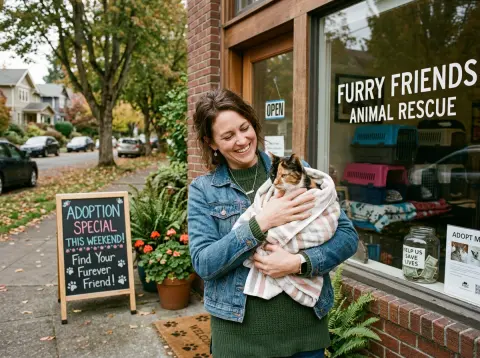
When you apply to adopt a cat from a local shelter, be prepared to discuss your living situation openly. Shelters are primarily concerned with finding safe, loving, and permanent homes. They will likely ask about your lease agreement, your landlord's pet policy, and how you plan to manage a cat in an apartment. This isn't an interrogation; it's due diligence. Many shelters will ask for proof of pet permission from your landlord, usually in writing, before finalizing an adoption.
To make a strong impression, bring a copy of your lease with the pet clause highlighted, or a letter from your landlord explicitly stating permission. Discuss your plans for cat-proofing and enrichment. Show them you've thought about how to provide for your cat's needs in your specific space. A shelter adoption counselor once told me in Dallas back in 2020 that renters who come in prepared and honest often make the most desirable adopters because they've already cleared major hurdles and demonstrated forethought.
Debunking Common Landlord Concerns About Cats
Landlords often harbor specific worries about pets, and cats are no exception. They might fret about noise, property damage, or odors. Noise from cats is rarely an issue compared to dogs, unless you have an exceptionally vocal breed like a Siamese, but even then, it's usually minor. Damage, such as scratched floors or doorframes, can be prevented with adequate scratching posts and regular nail trims. Odors are almost entirely a result of improper litter box management – a clean litter box means no smell.
Some people will suggest that you should simply "sneak" a cat into your apartment, hoping your landlord never finds out. Yes, because lying to the person who controls your housing and potentially faces fines for lease violations is always a brilliant strategy. What could possibly go wrong? Perhaps your landlord discovers the cat, serves you with an eviction notice, and then you are left scrambling to find a new home for yourself and your now-homeless cat. This is not only stressful for you, but it's also a deeply unfair and unstable situation for any animal you claim to care about. Play by the rules; it is better for everyone, especially the cat.
Over 70% of apartment residents are pet owners, so you are far from alone in this journey. With a little effort and a lot of love, your apartment can become the perfect home for a deserving cat.
Bringing a cat into my life, even when I was renting, taught me so much about responsibility and the quiet joy of shared spaces.