Can You Adopt a Cat on a Tight Budget?
I remember a scruffy Domestic Shorthair named Cleo who arrived at a New Orleans shelter after her owner lost their job and apartment back in 2021. Cleo was a sweet cat, but her former owner felt immense guilt, believing they couldn't afford her care any longer. This scenario plays out far too often, yet it conceals a truth many people overlook: adopting a cat, even on a tight budget, is possible with the right planning and resources.
Can You Really Adopt a Cat on a Tight Budget?
Yes, you can adopt a cat if you are on a tight budget, provided you approach it with realistic expectations, diligent budgeting, and a willingness to seek out available resources. The key is understanding that "tight budget" doesn't mean "no budget" for a cat's needs, but rather a commitment to smart financial choices and prioritizing essential care. Many individuals and families successfully provide loving homes for cats without breaking the bank, often by utilizing shelter programs and community support.
Thinking about a cat's financial needs often conjures images of endless expensive toys, gourmet food, and designer accessories. But here's the thing: cats need food, water, shelter, litter, and veterinary care. Everything else is extra. A cat can live a happy, healthy life with basic, affordable provisions. The average annual cost for a single cat, covering food, litter, and routine healthcare, can range from $800 to $1,200 after initial setup, but many manage to keep it lower with careful choices.
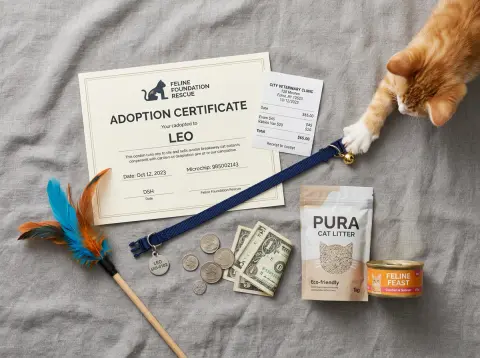
Many shelters, like the MSPCA-Angell in Boston, offer adoption fees that are significantly lower than purchasing from a breeder, and these fees often include initial vaccinations, spay/neuter surgery, and microchipping. This alone saves new owners several hundred dollars in immediate veterinary expenses. My own experience adopting Felix, a sleek black cat, from a rescue group in San Diego, taught me that his $125 adoption fee covered all those things, which would have cost me upwards of $400 if I'd gotten him elsewhere and paid for them myself.
Initial Costs: What to Expect and How to Save
Setting up your home for a new cat does involve some upfront expenses beyond the adoption fee. These initial setup costs can average around $603, but you can dramatically reduce this by being resourceful.
- Adoption Fee: Typically $30-$125 for cats and kittens from local shelters or rescues. Some shelters even offer waived fees for senior cats, long-term residents, or during special adoption events.
- Food and Water Bowls: Simple ceramic or stainless steel bowls are inexpensive and durable. Avoid plastic, which can harbor bacteria and cause feline acne.
- Litter Box and Litter: A basic litter box costs under $20. For litter, traditional clay litter is the most budget-friendly option, often costing around $10-$15 for a large bag that lasts weeks.
- Carrier: Essential for vet visits and safe transport. You can find basic plastic carriers for $25-$40. Check online marketplaces for used ones or ask friends if they have one to lend.
- Scratching Post/Pad: Crucial for your cat's well-being and to protect your furniture. Cardboard scratchers are very affordable, often $5-$10, and can be replaced regularly.
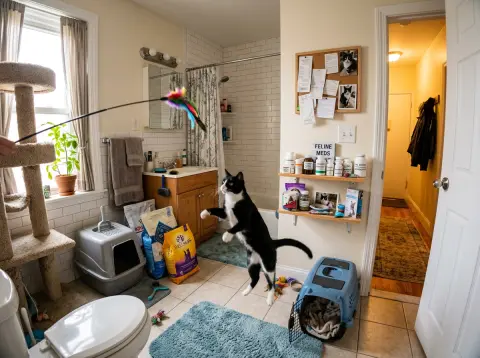
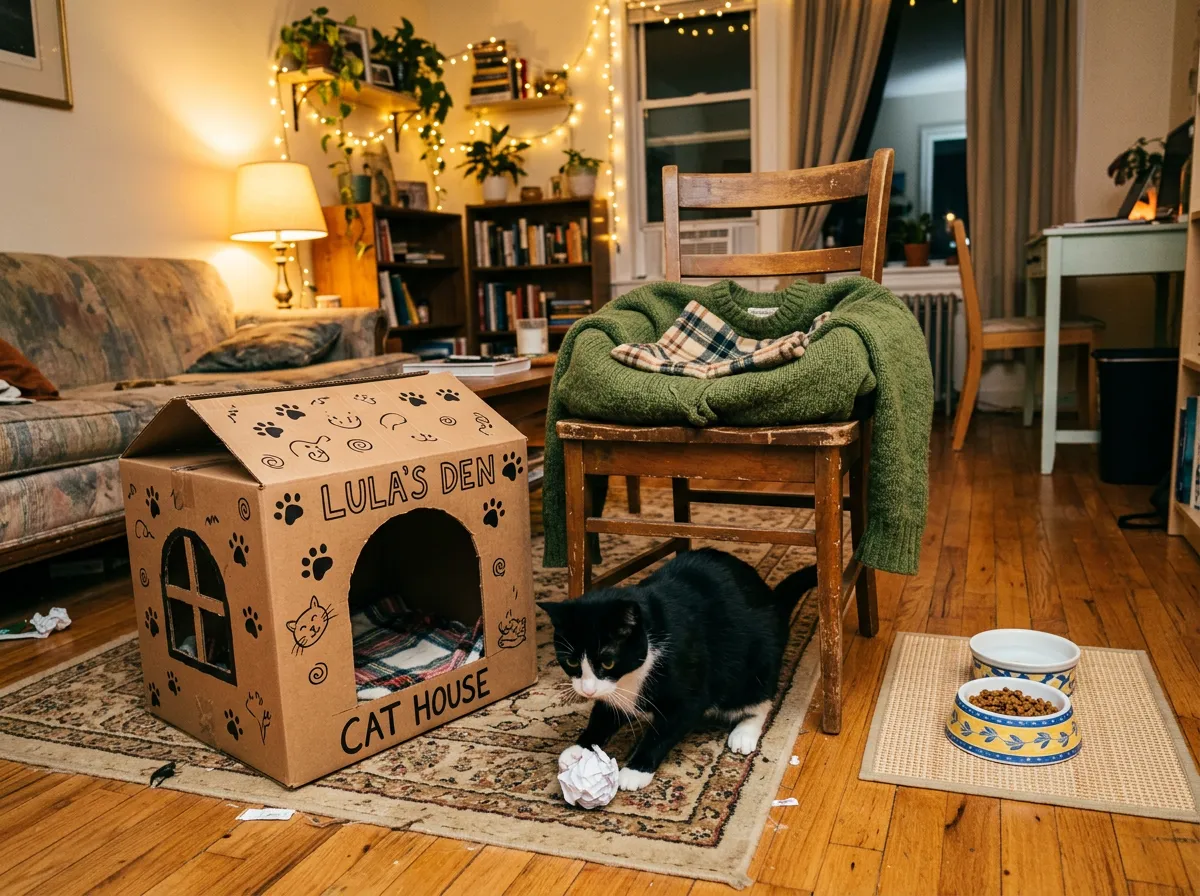
- Toys: Cats don't need expensive laser pointers or motorized mice. Simple crinkle balls, bottle caps, or even a crumpled piece of paper can keep them entertained for hours. A feather wand is a great investment for interactive play, costing around $10.
One common misconception I've encountered over my eight years volunteering at shelters is the idea that "free" cats are always cheaper. I once helped a family in Minneapolis who adopted a "free" kitten from a listing, only to find themselves with a $600 vet bill for deworming, initial vaccines, and spay surgery, none of which had been done. That's more than double the typical adoption fee at most reputable shelters, which include all those services.
Ongoing Expenses: Budgeting for the Long Haul
The real commitment comes with the monthly and annual costs of cat ownership. These are the expenses you'll need to factor into your budget consistently.
Here's a breakdown of typical ongoing costs and how to manage them:
| Expense Category | Typical Monthly Cost | Budget-Friendly Tips |
|---|---|---|
| Food | $20 - $40 | Choose quality dry food like Purina Cat Chow or Friskies. Buy larger bags when on sale. Avoid expensive specialty diets unless medically necessary. |
| Litter | $15 - $25 | Stick to conventional clay litter. Scoop daily to make it last longer. Look for store brands or bulk deals. |
| Routine Vet Care | $10 - $20 (annualized) | Annual check-ups and core vaccines (like rabies and FVRCP) are essential. Look for low-cost clinics, often run by humane societies or vet schools. An annual exam might cost $50-$75, with vaccines adding another $30-$50. |
| Flea/Tick Prevention | $10 - $20 | Consult your vet for the most cost-effective and appropriate option for your cat and region. Buying in bulk (e.g., a 6-month supply) can sometimes offer savings. |
| Emergency Fund/Insurance | $15 - $30 | Pet insurance (e.g., Lemonade, Embrace) can cost $15-$20 a month for accident/illness coverage. Alternatively, set aside $15-$30 monthly into a dedicated savings account for pet emergencies. A severe illness or surgery can easily cost a few thousand dollars without warning. |
| Toys/Treats | $5 - $15 | DIY toys are free! Limit treats to small amounts or during training. Save money by making your own catnip sachets or using empty toilet paper rolls. |
One of the most surprising things I've learned from working with new cat parents is how many people assume that if their cat seems healthy, they can skip the annual vet visit. This is a huge gamble, and it often leads to far more expensive problems down the line. Preventative care catches small issues before they become major, costly emergencies.
"Shelter's Secret Weapons": Beyond the Adoption Fee
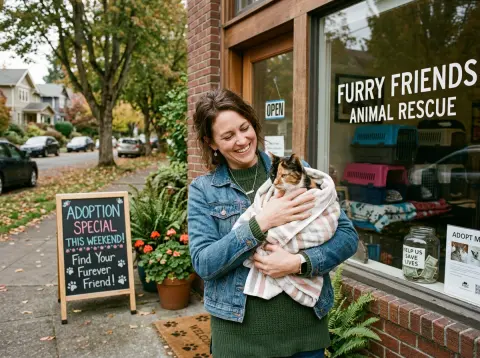
Many shelters and rescue organizations offer incredible support that goes far beyond the initial adoption. These resources are invaluable for budget-conscious cat parents.
First, inquire about fee waivers or reduced adoption fees. Some shelters participate in programs for seniors, veterans, or during "Clear the Shelters" events, where fees might be significantly lowered or even waived for certain breeds or older cats. I once saw a lovely senior cat named Mittens, a calm Ragdoll mix, adopted for free by a veteran in Boston because of a special program.
Additionally, many shelters provide post-adoption support. This can include free behavioral advice from certified trainers, discounted training classes, or partnerships with local veterinarians for reduced-cost initial check-ups. Some even have food pantries or offer low-cost spay/neuter clinics for owned pets, which can be a lifesaver if you adopt a cat that wasn't fixed before coming home.
Look into local community programs as well. Organizations like the ASPCA often list resources for financial aid for pet owners, including grants for emergency veterinary care. While these programs vary by location and eligibility, they are worth investigating if an unexpected expense arises.
Building a small emergency fund is crucial. Even if it's just $10 a month, having $120 saved up after a year can cover a basic vet visit or medication. It's about consistency, not huge sums.
Adopting a cat on a tight budget is a commitment that requires research, resourcefulness, and responsible planning.
Before bringing a cat home, ensure you have at least $100 saved specifically for unexpected veterinary care.