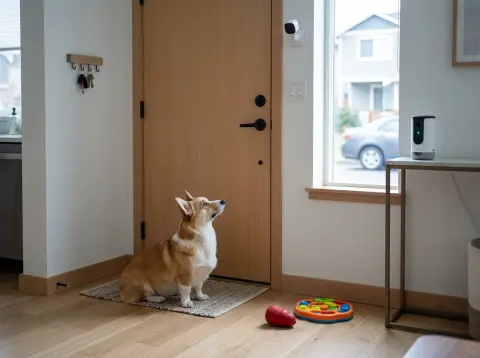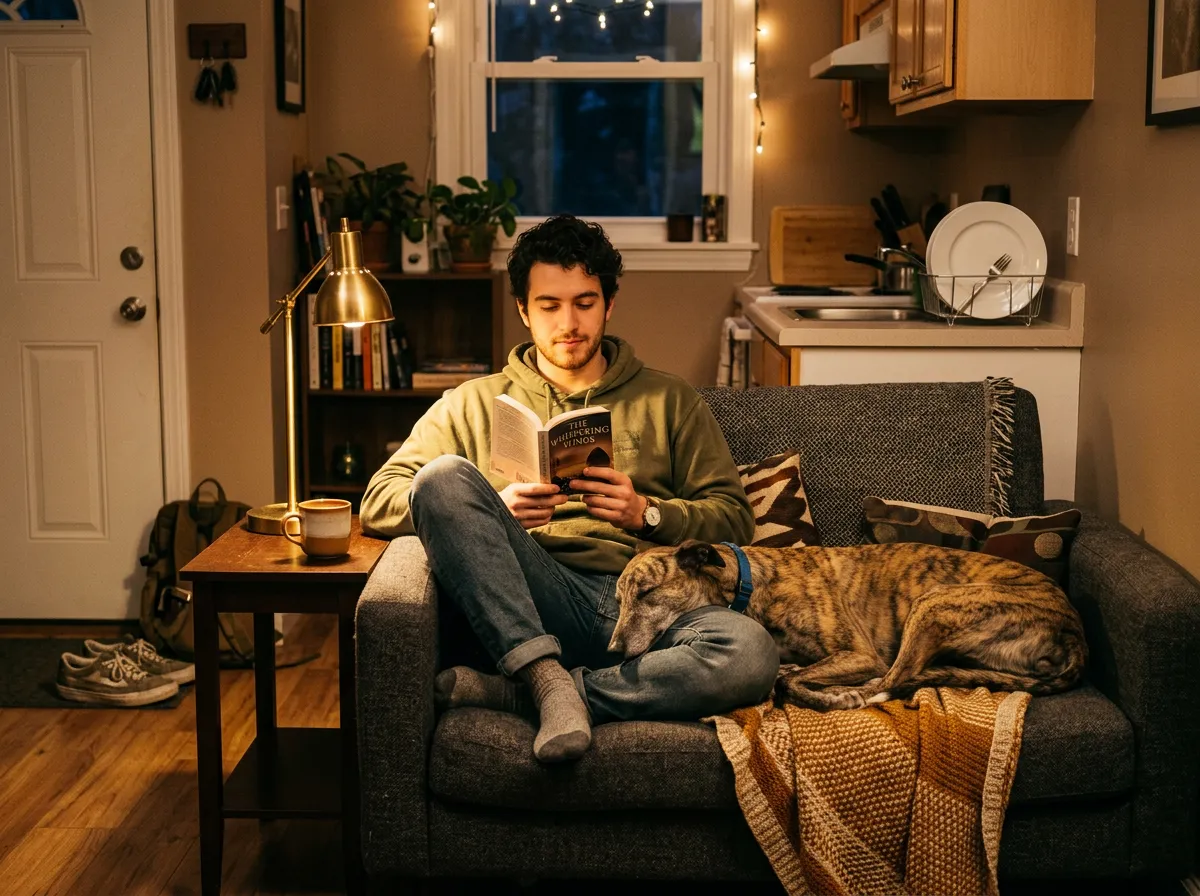
Can You Adopt a Dog If You Live Alone?
Let's dispel a persistent myth right now: living alone does not disqualify you from adopting a dog, and anyone who suggests otherwise is simply misinformed about the realities of modern pet ownership and shelter practices. In fact, many single individuals provide loving, stable homes for dogs, often excelling where multi-person households sometimes fall short due to conflicting schedules or differing commitment levels. Shelters are looking for responsible, dedicated caregivers, regardless of how many humans live in the house.
Decoding the Shelter Interview: How Single Adopters Can Shine
Shelters are primarily concerned with a dog's welfare, so when you apply to adopt from a local shelter, they want to see a clear plan for how you will meet that dog's physical, mental, and emotional needs. This means demonstrating responsibility, stability, and a realistic understanding of what dog ownership entails, not just proving you have a partner or family living with you. Your job is to show them you have considered everything.
Consider Clara, a single teacher in Boise, Idaho, who adopted a sweet senior Beagle named Muffin through the Idaho Humane Society. Clara worked full-time, but she clearly outlined her work-from-home days (two per week) and her plan to hire a certified dog walker for midday breaks on her office days, budgeting approximately $30 per day for this service. She also detailed her local support system - a friend who could step in during emergencies and her commitment to regular weekend outings. Her application stood out because she had specific, actionable solutions for potential challenges, proving she had thought beyond just wanting a dog.
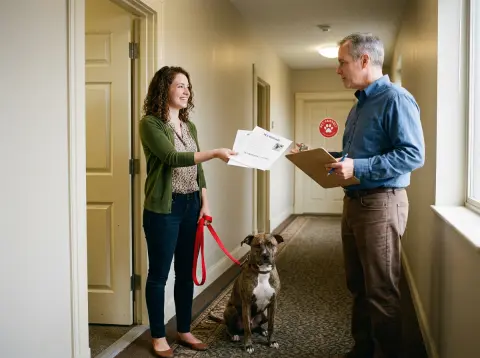
Shelters will ask about your work schedule, your living situation, and your experience with dogs. They want to know if you have a backup plan for emergencies, who will care for the dog if you travel, and how you plan to socialize your new companion. Being honest and prepared with specific answers, rather than vague assurances, will set you apart. Tell them about your landlord's pet policy, your fenced yard (or plan for leash walks), and your commitment to training.
What surprises many people is how often single individuals turn out to be some of the most dedicated and prepared adopters.
The Solo Pet Parent's Budget Blueprint: Making Dog Ownership Affordable
Financial planning is crucial for any dog owner, but it's especially important when you are managing on a single income. While the costs may seem daunting at first, a well-structured budget can make dog ownership achievable and sustainable for a solo pet parent. Many people underestimate the hidden expenses beyond food and vet visits.
I remember volunteering with a Golden Retriever named Barnaby who needed extensive dental work - extractions and a cleaning - after he was surrendered to a rescue in San Diego. His foster parent, a single graphic designer, paid over $1,200 out of pocket for the procedure before the rescue reimbursed her. This experience highlighted how quickly unexpected vet bills can accumulate, making a strong emergency fund or pet insurance a wise investment.
Here is a breakdown of common annual expenses for a dog, which you can adjust based on your dog's size, age, and needs:
| Expense Category | Estimated Annual Cost (USD) | Notes for Single Owners |
|---|---|---|
| Food | $360 - $960 | Buy in bulk if possible, compare brands like Purina Pro Plan or Hill's Science Diet. |
| Routine Vet Care | $200 - $500 | Annual check-ups, vaccines (DHPP, rabies), flea/tick prevention, heartworm medication. |
| Dog Walking/Daycare | $2,000 - $8,000 | Essential for full-time workers. Services like Wag! or Rover typically charge $20-40 per walk/day. |
| Pet Insurance | $300 - $700 | Consider providers like Trupanion or Lemonade to cover accident and illness costs. |
| Training Classes | $150 - $600 | Crucial for socialization and obedience, especially for puppies or new rescues. |
| Toys and Chews | $100 - $300 | Mental enrichment prevents boredom and destructive behaviors. |
| Grooming | $50 - $500 | Varies greatly by dog breed. DIY grooming saves money. |
| Miscellaneous (Beds, Leashes) | $50 - $200 | Initial setup can be higher, but recurring costs are lower. |
Look, the American Kennel Club (AKC) suggests that any dog older than 6 months should not be left alone for more than 4-6 hours at a time, with an absolute maximum of 8 hours if they can go outside for a bathroom break. If you work a standard 8-hour day plus commute, dog walkers or daycare are not luxuries; they are necessities. Budget for them from day one.
Beyond the Breed: Finding Your Perfect Match When You Live Alone
Many articles will give you a list of "best breeds for single people," often citing independent or low-energy dogs. While breed traits can offer a starting point, focusing solely on breed is a common mistake. Individual temperament and the dog's personal history are far more important, especially when you are a solo adopter.
Consider an older dog. For instance, Greyhounds are known to average 20 hours of sleep per day, and many senior dogs sleep 18-20 hours a day, making them excellent companions for owners who work standard hours. They often require less intense exercise than a young puppy and can be perfectly content with a couple of leisurely walks and plenty of naps. They are often overlooked in shelters, too, which is a tragedy.
Instead of fixating on a specific breed, tell shelter staff about your lifestyle: your activity level, how many hours you are away from home, and your experience with dogs. They are experts at matching personalities. A calm, adult mixed-breed dog who enjoys quiet evenings and short walks might be a far better fit than a high-energy purebred puppy, regardless of what a "top ten" list tells you. I've seen countless single adopters find joy with dogs typically considered "difficult" breeds, simply because the individual dog's personality clicked perfectly with their home life.
Remember that a dog is a lifelong commitment. Take your time, do your research, and be honest with yourself and the shelter about what you can realistically provide. Your dedication and preparation will speak volumes.
Start by visiting at least three different local shelters or rescues this month to speak with adoption counselors directly about your situation and what dogs they recommend.