Can You Adopt a Dog With No Yard or Garden?
Does the thought of adopting a dog immediately conjure images of a sprawling backyard, green grass, and endless fetch sessions? Many people believe a yard is a non-negotiable requirement for dog ownership, a sort of entry fee into the world of canine companionship. But what if you live in an apartment, a condo, or a house with no outdoor space to speak of? Does that mean your dreams of welcoming a dog for adoption are simply unrealistic?
Can You Really Adopt a Dog With No Yard or Garden?
Yes, you can adopt a dog even if you do not have a yard or garden. This is one of the biggest misconceptions in pet adoption, often fueled by well-meaning but ultimately misguided advice. A dog's well-being hinges far more on consistent exercise, mental stimulation, and loving attention than on the square footage of accessible lawn space. In fact, many shelter dogs thrive in apartment settings, provided their human companions are committed to meeting their needs.
Consider this: a significant portion of the U.S. population, around 34%, consists of renters, many of whom reside in apartments. Half of all U.S. households own at least one dog. If a yard were essential, millions of dogs would be without homes, and millions of responsible pet owners would be disqualified. While some organizations impose strict fenced-yard requirements, often demanding a six or eight-foot-high fence, many others understand that a dedicated owner is the most important factor. Living in an apartment is generally far less stressful for pets than the cacophony of a shelter or the dangers of life on the streets.
The idea that every dog needs a yard is a charming fantasy, often perpetuated by those who believe a dog will simply "exercise itself" if given enough outdoor space. Yes, because a dog, left unsupervised in a yard, will naturally engage in a rigorous cardio routine, perhaps setting up an obstacle course and timing itself. They will also, of course, mentally stimulate themselves by pondering existential questions, rather than, say, digging up flowers or barking incessantly at squirrels. It is a foolproof plan, really, for avoiding any actual effort on the owner's part.
I once helped a friend, Clara, adopt a senior Golden Retriever named Barley in Chicago, IL. Clara lived in a modest 600-square-foot studio apartment. The shelter, initially hesitant, saw how dedicated she was. Barley, at ten years old, preferred short, frequent strolls and napping near Clara. She hired a dog walker for a mid-day break, spending around $300 a month on this and occasional dog park visits, ensuring Barley had plenty of gentle outdoor time. He lived happily for another four years, proving that a yard was irrelevant to his comfort.
Making Your Apartment a Dog-Friendly Haven
Preparing your home for a new dog without a yard involves more thought about the indoor environment and your routine. This preparation is key to a smooth transition for your new family member and helps you confidently present your living situation to adoption agencies.
Landlord Approval and Lease Agreements
Your first step must be confirming that your landlord allows dogs. Do not skip this. Many leases have specific clauses about pet size, breed restrictions, or require an additional pet deposit and monthly pet rent. Get everything in writing to avoid future headaches. A typical pet deposit might range from $200-$500, with monthly pet rent around $25-$75.
Designing Your Indoor Space
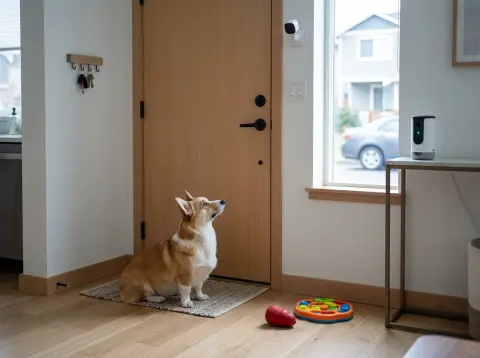
While you might not have a yard, you can still create a comfortable and stimulating indoor environment. Consider a designated "dog zone" with a comfy bed, water bowl, and toys. Use baby gates to section off areas if needed, especially during the initial adjustment period. A secure crate can also provide a safe den for your dog, particularly for puppies or anxious rescues. Think about durable, easy-to-clean flooring options or strategically placed rugs for accident-prone areas.
Safety is also important. Secure any loose cords, put away toxic plants, and store cleaning supplies out of reach. Remember, a smaller space means your dog is always near you, which can be a huge benefit for bonding and monitoring their behavior.
The Urban Dog's Playbook: Exercise and Mental Stimulation
This is where your commitment shines. Without a yard, you become the primary source of physical exercise and mental engagement for your dog. It is not just about walks; it is about intentional activity.
Structured Walks and Outdoor Adventures
Daily walks are non-negotiable. For many dogs, two to three walks a day, lasting 20-30 minutes each, are a good starting point. Vary your routes to offer new smells and sights, which provides excellent mental stimulation. Explore local dog parks, hiking trails (if accessible), or even dog-friendly outdoor shopping areas. Some cities even have "sniff spots" or private dog runs available for rent by the hour, offering a secure space for off-leash play.
Indoor Games and Brain Teasers
Mental exercise can be just as tiring as physical exercise. Invest in puzzle toys like Kongs filled with peanut butter or kibble, snuffle mats for foraging, and interactive toys that dispense treats. Hide-and-seek with treats or toys is a fantastic indoor game. Teach new tricks, even simple ones like "sit" or "stay." Ten minutes of focused training can exhaust a dog mentally. Indoor fetch in a hallway or a game of tug-of-war can also burn energy.
My friend Mark, who lives in a small apartment in Denver, CO, adopted Winston, a lively Pug mix. Mark did not have a yard, so he created an "urban dog playbook" for Winston. Every morning, they had a brisk 30-minute walk around the neighborhood. In the afternoon, Winston attended a local doggy daycare for three hours, costing Mark about $40 per day, allowing for socialization and play. Evenings were for puzzle toys and a short training session, ensuring Winston was both physically tired and mentally engaged before bedtime.
Winning Over the Shelter: Presenting Your Yard-Free Home
Adopting from a shelter without a yard requires proactive communication and demonstrating your commitment. Shelters want to ensure their animals go to responsible homes, and they will likely have questions about how you plan to meet a dog's needs in an apartment.
Be Open and Prepared
Do not try to hide the fact that you do not have a yard. Be upfront on your application and during interviews. Instead of just saying "I'll walk the dog," provide a detailed plan. Outline your daily schedule: when you will wake up for the first walk, how long it will be, what enrichment activities you will do, if you plan to hire a dog walker, or if you will use doggy daycare. This level of detail shows forethought and commitment.
Focus on the Right Match
While breed lists for "apartment dogs" can be helpful, remember that individual temperament matters more than breed. A low-energy Greyhound might be perfect for an apartment, while a high-strung Bichon Frise could struggle. Discuss with shelter staff the specific dogs whose personalities and exercise needs align with your lifestyle. Ask about a dog's history, energy level, and any known behaviors that might make apartment living challenging (e.g., excessive barking, separation anxiety).
Show Your Resources and Support System
Highlight any resources you plan to use: nearby dog parks, local trainers for obedience classes, dog walkers, or pet sitters. Mention friends or family who could help in an emergency. If you have landlord approval in writing, bring it. All of this helps build a compelling case that your home, while yard-free, is a loving and responsible environment.
I recall a couple in Philadelphia, PA, wanting to adopt a spirited Jack Russell Terrier named Rocket. They lived in a row house with no yard, and the shelter was hesitant due to Rocket's energy. The couple did not just talk about walks; they presented a printed, color-coded daily schedule. It included specific times for a 45-minute morning walk, an hour at a local dog park (for which they had already purchased a $150 annual membership), an afternoon training session, and evening puzzle toy play. They even showed us a budget for future agility classes. Their detailed plan and obvious commitment ultimately won over the adoption coordinator.
Your commitment and planning are far more important than a patch of grass.
Start by researching at least five local local shelters and prepare a detailed daily schedule for your potential dog, outlining at least two hours of dedicated exercise and mental enrichment activities.