Can You Adopt a Dog If You Rent an Apartment?
Yes, you can adopt a dog if you rent an apartment, and anyone who tells you otherwise probably hasn't spent enough time volunteering at a local shelter. The idea that you need a sprawling house with a fenced yard to be a responsible dog owner is simply outdated and often prevents wonderful people from giving a deserving dog a loving home. What matters far more than square footage is your commitment to exercise, training, and providing consistent companionship.
Dispelling the Apartment Dog Myth
You can certainly adopt a dog while living in an apartment, provided you do your homework and make a responsible choice. The biggest misconception is that a large dog needs a large home, and a small dog automatically suits an apartment. This isn't always true; a calm Great Dane might be a better apartment dweller than a high-energy Jack Russell Terrier who needs constant stimulation and can be prone to excessive barking. Focus on a dog's individual temperament, energy levels, and vocal tendencies rather than just their size.
Many factors contribute to a dog's suitability for apartment living. A dog's breed certainly offers clues-some dog breeds are known for being more relaxed indoors-but it's the individual personality that counts. A senior dog, for instance, often has lower energy needs and is already house-trained, making them excellent candidates for smaller spaces. Your lifestyle also plays a huge role; if you're an active person who enjoys daily walks and trips to the park, you can easily meet the exercise needs of a medium or even larger dog.
The Landlord's Approval- It's Non-Negotiable
Securing your landlord's approval is the first and most critical step before you even start browsing dogs for adoption. Your lease agreement will explicitly state the pet policy, including any breed restrictions, weight limits, or additional fees. Never try to hide a pet; it's a sure way to lose your home and potentially harm your relationship with your landlord. Approach them directly with a well-thought-out plan, even if the building is initially listed as "no pets."
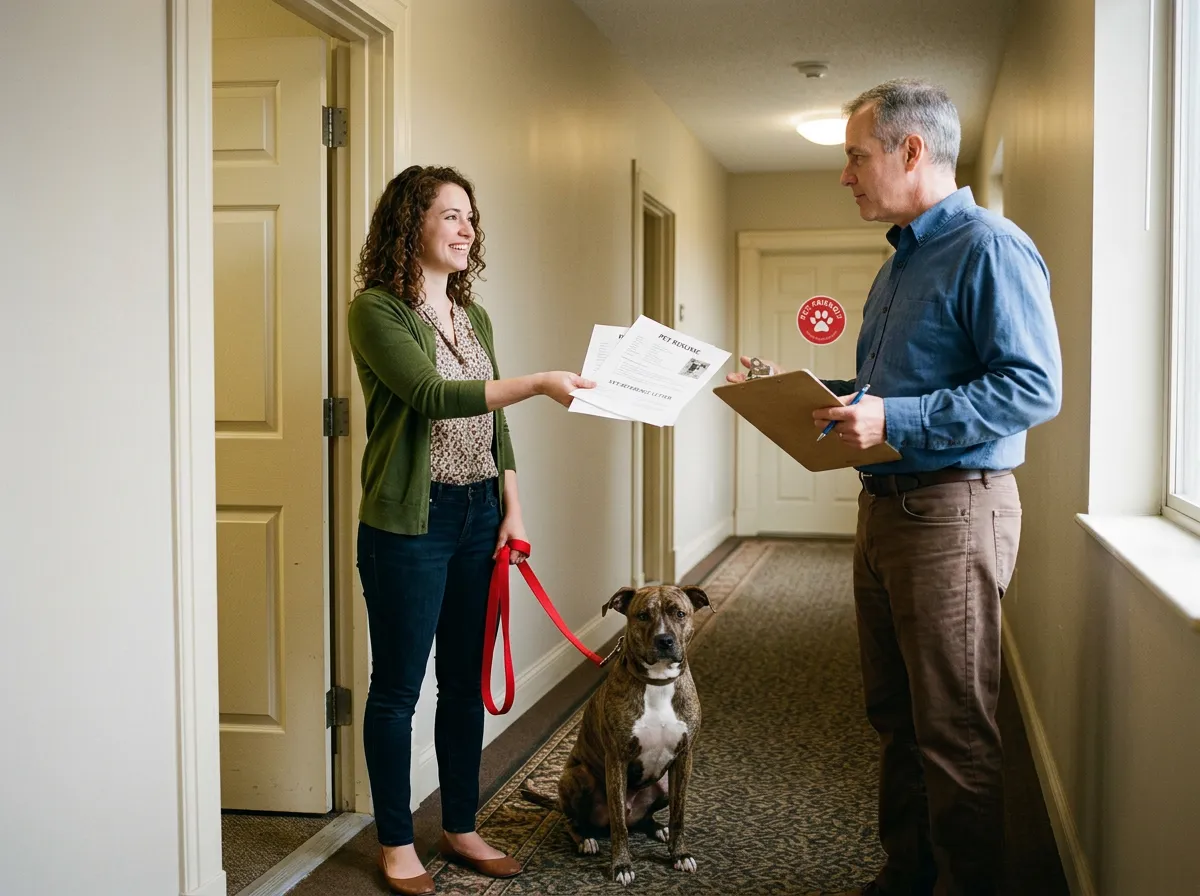
Consider preparing a "pet resume" for your potential new family member. This document can include photos, proof of vaccinations, a letter from a previous foster parent or shelter staff describing the dog's temperament, and even a reference from a trainer. One client I helped in Charlotte, NC, managed to convince her landlord, who had a strict no-pet rule, by presenting a detailed resume for Walter, an elderly Basset Hound. She emphasized Walter's calm demeanor, offered an additional $500 pet deposit, and even arranged a supervised meet-and-greet. The landlord, impressed by her thoroughness and Walter's gentle nature, agreed.
Remember that many landlords are concerned about potential damage or noise. Offering an increased pet deposit, agreeing to professional carpet cleaning upon move-out, or even providing a plan for noise management (like a sound machine for separation anxiety) can make a significant difference. Statistics show that moving to a place that does not allow pets or due to landlord restrictions is one of the top reasons people surrender their pets to shelters. Being proactive and transparent from the start protects both you and your future dog.
Finding Your Apartment-Friendly Match at the Shelter
Identifying the right dog for your apartment often starts with honest conversations with shelter staff. They spend countless hours with these animals and can provide invaluable insights into a dog's true personality, energy levels, and habits. Don't be shy about explaining your living situation; they want to find the best possible match for both you and the dog.
Ask about specific behaviors they've observed: Does the dog bark excessively in their kennel? Do they seem stressed by small spaces or loud noises? Have they been in a foster home, and how did they adapt to indoor living? A medium-sized American Staffordshire Terrier mix named Penny, whom I met at a shelter in Phoenix, AZ, was a perfect example. Despite her breed's active reputation, Penny was a total couch potato in her foster home, rarely barked, and was perfectly content with two short walks a day. She thrived in a 700 sq ft apartment with a quiet couple, proving that individual personality trumps breed stereotypes for apartment living.
Look for dogs that are past the puppy stage, as they tend to have more established temperaments and house-training. Adult dogs, especially those over two years old, often have lower energy requirements than puppies and young adults. Dogs that enjoy quiet time, are comfortable being left alone for reasonable periods, and aren't prone to destructive chewing are ideal. Even if you're looking at specific dog breeds, ensure the individual dog's personality aligns with your apartment lifestyle.
Your commitment to their well-being is the real deciding factor.
Daily Life: Exercise, Enrichment, and Routine
Living in an apartment with a dog demands a consistent routine for exercise and mental stimulation. Adult dogs need to be let out for bathroom purposes at least every four to five hours, and puppies require even more frequent outdoor time for house-training. Beyond potty breaks, dogs of any age typically need at least two walks every day for physical exercise, socialization, and mental engagement.
Supplement outdoor walks with indoor enrichment activities. Puzzle feeders, like a Kong filled with peanut butter or kibble, can keep a dog occupied for a good while. Chew toys, such as Nylabones or Benebones, satisfy natural chewing instincts and prevent destructive behaviors. Learning new tricks, playing hide-and-seek with treats, or even just having dedicated cuddle time on the couch all contribute to a well-adjusted apartment dog. These activities are especially important for managing common shelter dog behaviors in close quarters, like anxiety or boredom-induced barking.
If your dog struggles with separation anxiety, which can be particularly disruptive in an apartment building, consider investing in a dog walker for midday breaks or exploring calming products like Adaptil diffusers. Crate training can also provide a safe, quiet den for your dog when you're away, reducing stress and preventing damage. Consistency is key; dogs thrive on predictability, so establish a schedule and stick to it.
The Financial Reality of Apartment Dog Ownership
Adopting a dog, especially when renting, comes with specific financial considerations beyond the initial adoption fee. It's important to budget for these expenses so you can provide your dog with everything they need without stress. Here's a general breakdown:
| Expense Category | Typical Cost Range | Notes |
|---|---|---|
| Adoption Fee | $150 - $400 | Varies by shelter, age, and breed. Often includes spay/neuter, initial vaccines. |
| Pet Deposit (one-time) | $200 - $800 | Many landlords require this, often refundable if no damage occurs. |
| Monthly Pet Rent | $25 - $75 | An increasing number of landlords charge a monthly fee for pets. |
| Initial Vet Visit & Core Vaccines | $100 - $300 | Post-adoption check-up, any booster shots (like DHPP and rabies), deworming. |
| Food (monthly) | $30 - $80 | Depends on dog size, breed, and food quality. |
| Supplies (initial) | $100 - $300 | Crate, bed, leash, collar, bowls, toys, grooming tools. |
| Training Classes | $150 - $300 | Recommended for all new dogs, especially in an apartment setting for manners. |
| Emergency Fund | $500+ | Crucial for unexpected vet bills. Pet insurance is another option. |
Remember that these are just estimates. Unexpected costs will arise, so having a financial cushion is always a good idea. Many renters, making up over one-third of pet owners in some regions, successfully budget for these expenses, proving it's entirely feasible with planning.
Preparing Your Apartment and Your Mindset
Before bringing your new companion home, take some time to pet-proof your apartment. Secure loose wires, put away anything fragile or toxic, and ensure there are no small items on the floor that could be swallowed. Designate a specific "safe space" for your dog-a crate, a dog bed in a quiet corner-where they can retreat and feel secure. This is especially important for rescue dogs who need time to adjust to their new environment.
Understand that there will be an adjustment period. Your adopted dog might be nervous, have accidents, or not show their true personality for a few days or even weeks. Patience and consistency are your best tools during this time. Establish your routine immediately: feeding times, potty breaks, and exercise. Every interaction should be positive and reassuring.
Living in an apartment with a dog is a commitment, requiring dedication and thoughtful planning, but the rewards are. You'll gain a loyal companion, and a deserving dog will gain a loving forever home. Are you ready to make that commitment?