Cat Losing Hair in Patches: Causes and Fixes
I remember a beautiful Ragdoll named Silas who arrived at a shelter in Burlington, Vermont, after his owner moved into assisted living. He was sweet but terrified, and within a week, he started developing cat losing hair in patches around his belly and hind legs, not from fleas, but from the sheer anxiety of his new surroundings. Seeing a cat lose hair in patches can be alarming, but understanding the root cause is the first step to helping your feline companion.
What causes a cat to start losing hair in patches?
A cat losing hair in patches is a sign of an underlying issue, and it's never something to ignore or dismiss as just "a cat thing." The hair loss, medically known as alopecia, can stem from a variety of sources, including external parasites, allergic reactions, fungal infections, stress, hormonal imbalances, and even serious internal diseases. Your cat isn't pulling out their fur for fun; there's always a reason, and it's our job as caregivers to figure it out.
One of the most common culprits, and often overlooked if you're not diligent, is flea allergy dermatitis. Many people assume if they don't see fleas, there are no fleas, but a single flea bite can trigger an intense allergic reaction in a sensitive cat, leading to excessive itching and subsequent hair loss. This is especially true in areas like the "flea triangle" at the base of the tail and inner thighs. Beyond fleas, other parasites like mites (think sarcoptic mange or ear mites) can also cause localized hair loss and skin irritation. Inflammatory disorders are also a significant cause of alopecia, often appearing as red, bumpy skin alongside the hair loss.
Beyond parasites, allergies to food or environmental factors (like pollen or dust mites) can manifest as skin problems, including hair loss. It's a frustrating cycle for both cat and owner, because the itching drives the cat to over-groom, which then exacerbates the hair loss. Fungal infections, particularly ringworm, are another frequent cause, presenting as circular patches of hair loss that may or may not be itchy. Ringworm is highly contagious to other pets and humans, so quick identification is key.
Here's what most people get wrong about hair loss: they jump straight to "stress" when it could be something much simpler, or much more complex. While stress is a very real factor, a thorough veterinary check is always the first logical step. You simply cannot eyeball a diagnosis.
How does stress lead to a cat losing hair in patches, especially in adopted cats?
Stress can cause a cat to start losing hair in patches, often through a condition called psychogenic alopecia, where the cat over-grooms themselves to cope with anxiety. This behavior is particularly common in recently adopted cats or those in a new environment, like a shelter or a foster home, because the sudden change is a huge source of stress. The transition from a familiar place to a new one, even a loving one, can overwhelm a cat's senses and lead them to self-soothe by excessive licking, chewing, or pulling out their fur.
Think about it: a cat coming from a local shelter has likely experienced significant upheaval. They've been surrounded by unfamiliar sights, sounds, and smells, often with limited personal space. Moving into a home, even a quiet one, still requires a massive adjustment. They need to learn new routines, identify safe spots, and get used to new people and potentially other pets. This intense period of adaptation can trigger a stress response that manifests physically as hair loss, most often on the belly, inner thighs, and flanks - areas easily reached for excessive grooming. It’s not malicious; it's a coping mechanism. We see this often in foster-to-adopt situations when cats are trying to settle in.
Providing a low-stress environment is critical for these cats. This means setting up a dedicated "safe room" initially, complete with food, water, litter, and hiding spots, and allowing the cat to acclimate at their own pace. Gradual introductions to other pets and family members are essential. Enrichment, such as puzzle toys and regular playtime, can also redirect anxious energy. Sometimes, a veterinary behaviorist might even suggest anti-anxiety medications or supplements to help manage severe stress, especially in a cat losing hair in patches due to psychogenic alopecia.
What are the common non-stress related reasons for feline alopecia?
Many other medical conditions, unrelated to stress, can cause feline alopecia, ranging from straightforward to quite complex. Beyond parasites and allergies, which we've already covered, hormonal imbalances are a less common but possible cause. Conditions like hyperthyroidism, while usually associated with weight loss and increased appetite, can sometimes manifest with poor coat quality and hair thinning. Adrenal gland disorders or other endocrine issues can also play a role, though these are rarer in cats compared to dogs.
Nutritional deficiencies, while less common in cats fed a high-quality commercial diet, can also impact coat health. A diet lacking essential fatty acids, vitamins, or proteins can lead to dull fur, excessive shedding, and even patchy hair loss. This is more often seen in cats on unbalanced homemade diets or those with underlying conditions affecting nutrient absorption. Underlying internal diseases, such as kidney disease, liver disease, or even certain types of cancer, can also lead to a generally unhealthy coat and hair loss as a secondary symptom. These conditions can cause a cat to feel unwell, leading to reduced grooming or a compromised immune system, making them more susceptible to other skin issues.
Sometimes, the hair loss isn't even "loss" but rather self-inflicted trauma from intense itching or pain. For example, a cat with arthritis might lick at a painful joint excessively, wearing away the fur in that area. Or a cat with bladder issues might over-groom their abdomen. This is why a thorough physical examination by a veterinarian is always the first and most important step.
How do veterinarians diagnose the cause of cat hair loss?
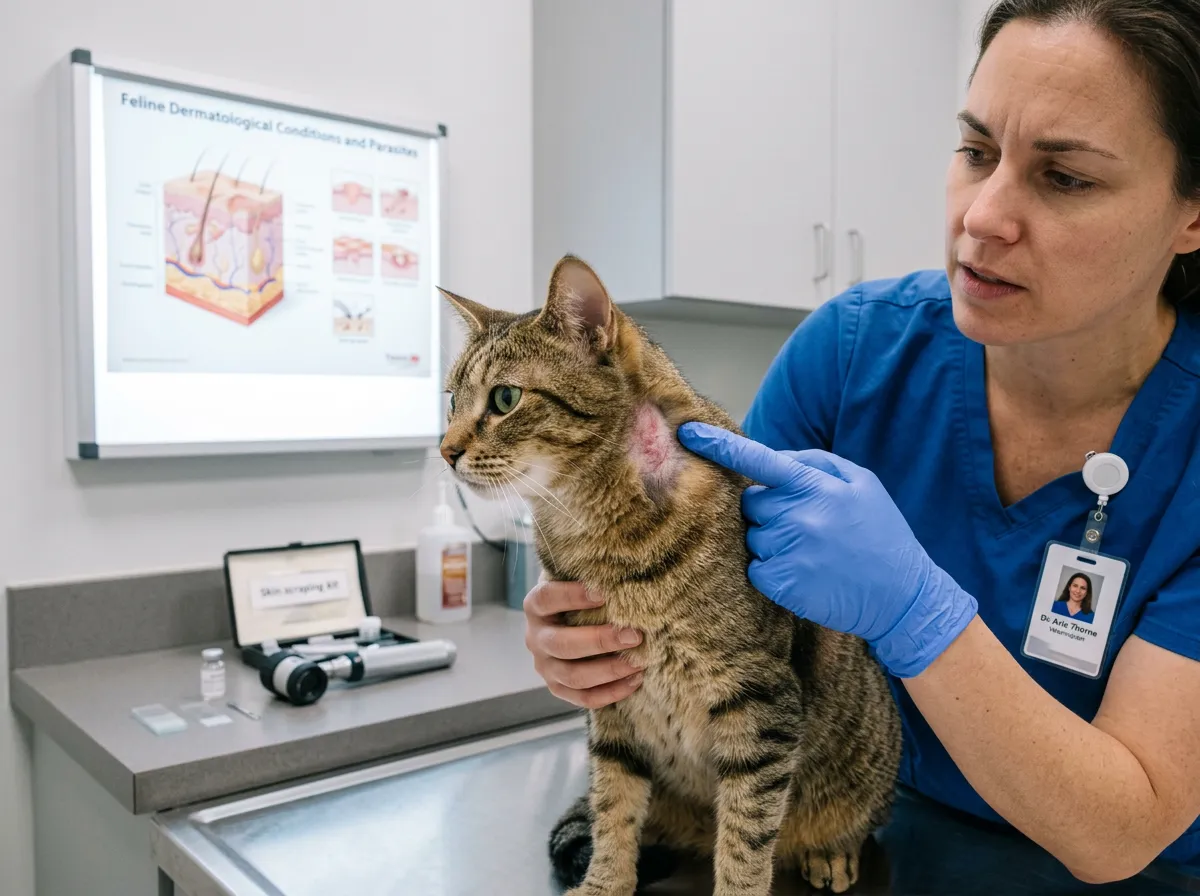
Diagnosing why a cat is losing hair in patches involves a systematic approach, because the symptoms can overlap between many different conditions. Your veterinarian will start with a comprehensive physical examination, looking closely at the pattern of hair loss, the condition of the skin underneath (is it red, scaly, crusty?), and any other accompanying symptoms your cat might have. They'll ask detailed questions about your cat's diet, environment, recent changes, and any previous medical history.
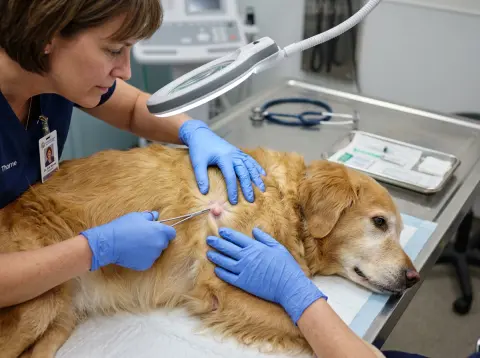
Expect your vet to perform several diagnostic tests. They'll likely do a skin scraping to check for mites, and a fungal culture to rule out ringworm. They might also recommend blood work to check for underlying systemic diseases like hyperthyroidism or kidney issues. For suspected allergies, your vet might suggest a food trial with a novel protein or hydrolyzed diet, which means feeding a specific, limited ingredient food for 8-12 weeks to see if symptoms improve. Environmental allergies are harder to diagnose and often require a process of elimination or referral to a veterinary dermatologist. In cases of suspected psychogenic alopecia, after ruling out all other medical causes, the diagnosis often comes down to observation and history.
What can adopters do to help a cat regrow hair and prevent future hair loss?
Helping your cat regrow hair and preventing future instances of hair loss involves a multi-pronged approach, tailored to the specific diagnosis. Once your veterinarian identifies the cause, adhering strictly to their treatment plan is paramount. For instance, if fleas are the problem, consistent flea prevention is key. If it's ringworm, antifungal medications and environmental decontamination are necessary. Hair regrowth generally starts in one to two months once the underlying cause has been successfully treated.
For cats experiencing stress-induced hair loss, creating a stable, enriching, and calm home environment is vital. This means providing plenty of vertical space (cat trees, shelves), multiple scratching posts, and engaging toys to keep their minds active. Feliway diffusers, L-theanine supplements, or prescription anti-anxiety medications can also be very helpful in managing stress. Consider a slow introduction to any existing pets, allowing them to adjust over weeks, not days. Many cats benefit from a fixed daily routine, as predictability can reduce anxiety. You might also explore specialized diets formulated for skin and coat health, rich in Omega-3 fatty acids, under your vet's guidance. I've seen a noticeable improvement in coat quality for many foster cats with a simple diet upgrade and a calmer home.
Here's a practical timeline for supporting an adopted cat through recovery from hair loss:
- Day 1-7: Vet Visit and Safe Space Setup. Schedule a vet appointment immediately. While waiting, set up a quiet, secure "safe room" for your cat. Provide a comfortable bed, food, water, litter box, and hiding spots. This reduces initial stress.
- Week 1-2: Initiate Treatment and Observe. Begin any prescribed medications or treatments from your vet. Spend quiet, consistent time in the safe room, allowing your cat to approach you. Observe their grooming habits and any changes in the affected areas.
- Month 1: Environmental Enrichment and Gradual Expansion. Continue treatment. Slowly introduce new toys or puzzle feeders. If appropriate and vet-approved, begin very short, supervised introductions to other parts of the house or other family members. Monitor for signs of discomfort or increased grooming.
- Month 2-3: Reassessment and Continued Support. Follow up with your vet to reassess the hair loss and overall health. You should start seeing some hair regrowth by now. Continue stress management techniques and consistent flea prevention. Consider adding a grooming routine if your cat tolerates it, to encourage healthy skin and coat.
When should I take my cat to the vet for cat losing hair in patches?
You should take your cat to the vet as soon as you notice them losing hair in patches, or any significant change in their coat, skin, or behavior. Waiting to see if it resolves on its own can allow underlying conditions to worsen, potentially making treatment more difficult or prolonged. Early detection and diagnosis are always best, especially with conditions like ringworm that can spread quickly to other pets and humans. A quick vet visit can save you significant worry and your cat discomfort in the long run.
Think of it this way: if a human had an unexplained rash or bald spot, they wouldn't just ignore it. Your cat deserves the same proactive care. Even if you suspect stress, it's crucial to rule out medical causes first. Schedule a vet appointment within 3-5 days of noticing the hair loss to get a proper diagnosis and start an effective treatment plan.