Cheapest Ways to Adopt a Cat Near You
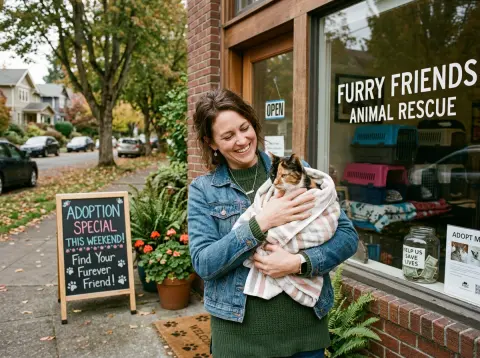
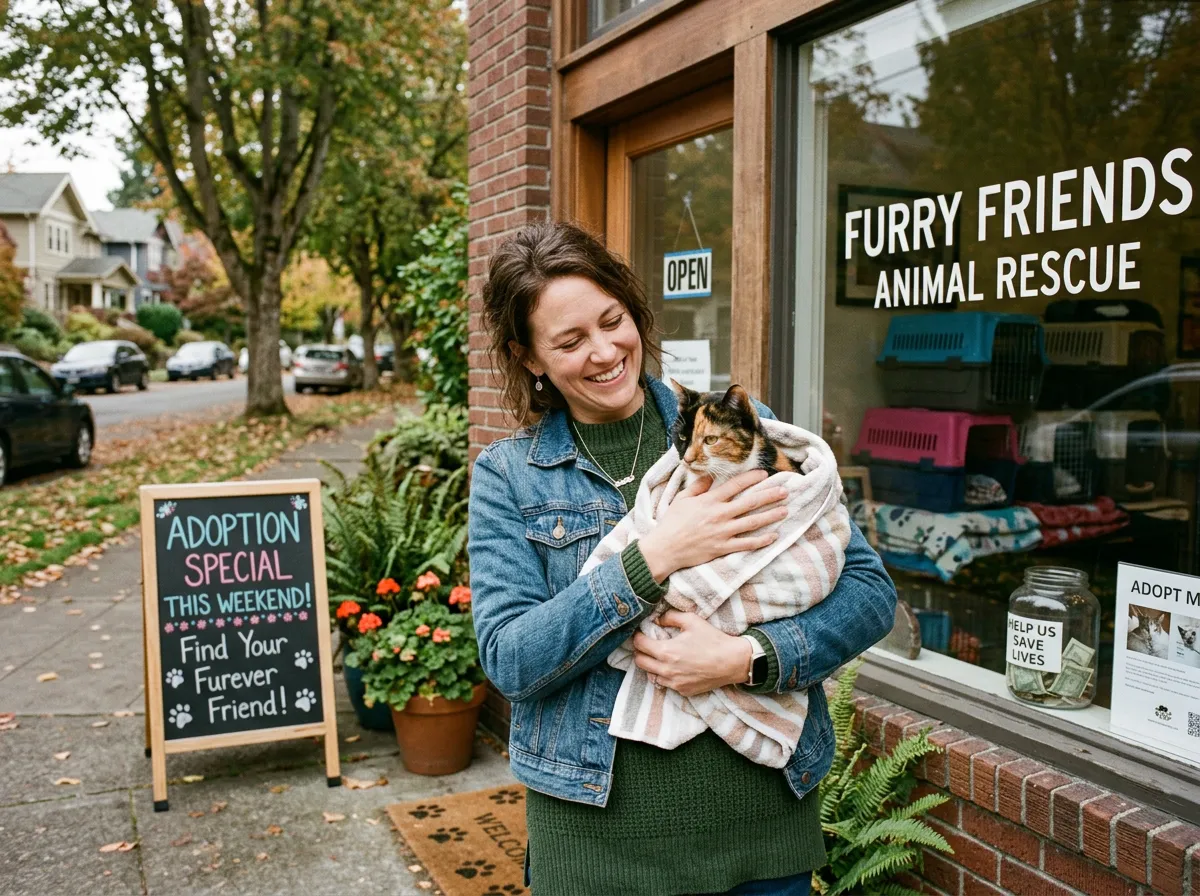
Let's be blunt: if you are looking for the absolute cheapest way to get a cat, going to a reputable animal shelter or rescue organization is your single best option, full stop. People often misunderstand what "cheap" means in the context of pet acquisition, focusing only on the upfront price tag rather than the included value and long-term health of the animal.
Anything else almost always costs you more money and heartache in the long run.
Why "Free" Isn't Free - The True Value of a Shelter Adoption Fee
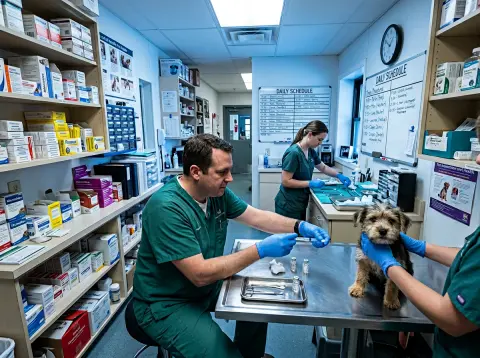
Many people believe finding a free kitten on Craigslist or from a friend's backyard litter is the cheapest route, but this perspective completely misses the hidden costs. While the initial exchange of money might be zero, the immediate veterinary expenses for a "free" cat can easily skyrocket into hundreds of dollars. You'll need to cover core vaccinations (like rabies and FVRCP), deworming, microchipping, and, most importantly, spaying or neutering - all services that are typically included in a shelter's adoption fee.
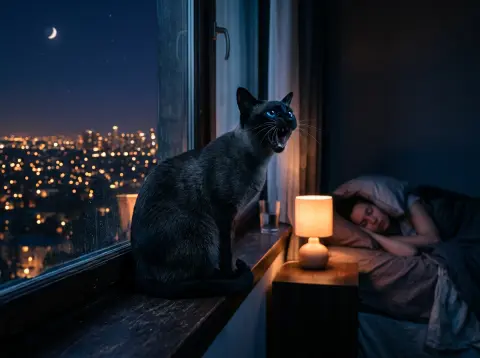
Consider this: my Siamese mix, Jasper, was a "free" kitten from a coworker's farm outside Seattle, Washington. Within a month, he developed a severe ear infection that required a $400 emergency vet visit because he hadn't received any preventative care. That "free" cat quickly became my most expensive initial pet acquisition, far exceeding the $75 I paid for my Domestic Shorthair, Luna, from a Portland shelter, who came already spayed, vaccinated, and microchipped.
What Exactly Do Cat Adoption Fees Cover?
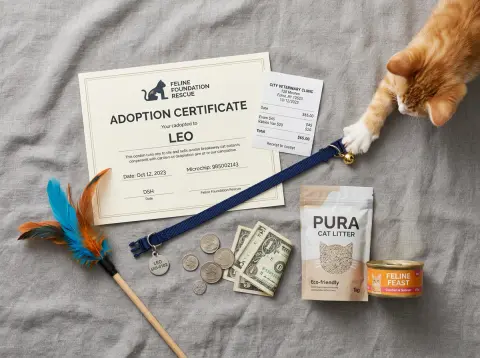
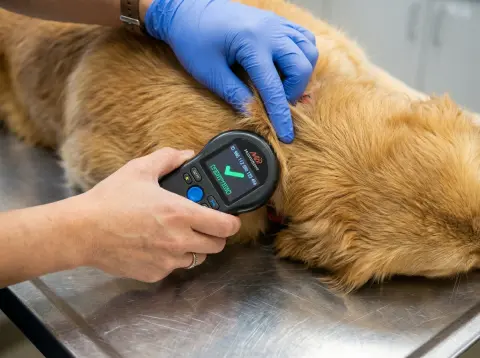
A cat adoption fee, which typically ranges from $40 to $100 for adult cats and $60 to $300 for kittens, is not just a price for the animal; it's an investment in their initial health and well-being. These fees subsidize the extensive care animals receive before they are ready for a new home. This usually includes a thorough veterinary exam, initial vaccinations (often including distemper, rhinotracheitis, calicivirus, and rabies), deworming, flea and tick treatment, and often a microchip registration. Crucially, most adoption fees also cover the cost of spaying or neutering, which can individually cost $200-$500 or more at a private veterinary clinic.
Here's a breakdown of what you might pay for a cat from different sources:
| Item/Source | Shelter Adoption (Typical Fee) | Private Seller/Breeder (Out-of-Pocket) |
|---|---|---|
| Initial Acquisition | $40-$300 (includes vet care) | $0-$1500+ (for specific cat breeds) |
| Spay/Neuter Surgery | Included | $200-$500 |
| Core Vaccinations (first set) | Included | $50-$150 |
| Deworming/Flea Treatment | Included | $30-$100 |
| Microchip & Registration | Included | $40-$70 |
| Initial Vet Check-up | Included | $50-$150 |
| Total Initial Cost Estimate | $40-$300 | $370-$2370+ |
As you can see, the adoption fee is a bargain when you factor in the veterinary services already provided. This is why I always tell people that adopting from local shelters is the smartest financial decision.
Finding the Lowest Adoption Fees - Shelter Secrets to Saving Money
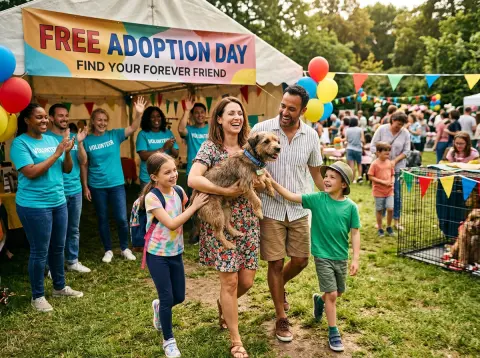
While standard adoption fees are already a great deal, there are specific strategies to find even lower costs. Many shelters run promotions throughout the year. For instance, "clear the shelter" events are common during peak kitten season (spring and summer) when facilities are overflowing. During one such event in Austin, Texas, I saw several adult cats, including a beautiful Calico, adopted for a reduced fee of $25 or even waived fees. Keep an eye on local shelter websites and social media pages for these announcements.
Another excellent option is adopting senior cats (typically 8 years or older) or cats with special needs, which often come with significantly reduced or entirely waived fees. Senior cats are often overlooked but make wonderful, calm companions. Similarly, bonded pairs of cats - two cats who are inseparable - are frequently offered at a single adoption fee for both, or at a discounted rate, because shelters want to keep them together. You get two cats for the price of one, and they keep each other company, which can even reduce behavioral issues. You can start your search on platforms like Puplister's cat adoption listings or Petfinder, filtering by age or special needs.
Special Programs and Discounts to Look For
Beyond general promotions, specific programs can dramatically cut costs. Some shelters offer "barn cat" or "working cat" programs for felines that aren't suited for indoor living but excel at pest control. These cats are often spayed/neutered and vaccinated, with a very low or waived adoption fee, perfect for farms, warehouses, or even large gardens. They are not typically cuddly house cats, but they fulfill a vital role and get a second chance at life.
Furthermore, many organizations, like the ASPCA, support local shelters with grants for specific initiatives, such as free adoption days for veterans or seniors, or events focused on specific breeds that are currently overrepresented in their population. Always ask shelter staff about any ongoing promotions or programs. They want to find homes for these animals and are often happy to share ways to make it more affordable.
Beyond the Initial Fee - Planning for Affordable Ongoing Cat Care
This is where I get really frustrated with the common advice that only focuses on the adoption fee. People act like once you pay the adoption fee, you're done with money talk. That is not how pet ownership works, and it sets new adopters up for failure! The adoption fee is just the beginning. Anyone considering cat adoption must be prepared for the ongoing costs of food, litter, toys, and routine veterinary care. The average cat household spends around $801 on veterinary care annually, according to a 2021-2022 APPA survey. You need a plan for that.
Fortunately, there are resources for affordable long-term care. Look for low-cost veterinary clinics in your area that offer discounted services for vaccinations, dental cleanings, and minor procedures. Many communities also have pet food banks or assistance programs for low-income pet owners, often run by local humane societies or charities. Consider budgeting for pet insurance, especially for younger cats, as it can help cover unexpected emergency costs down the line. Even a basic plan can save you thousands if your cat needs surgery or extensive treatment. Brands like Lemonade or Healthy Paws offer various coverage options. And honestly, buying cat food in larger bags from stores like Chewy or your local grocery store's own brand (like Purina ONE or Friskies) is far more economical than small, specialty bags.
Myths About Cheap Cat Adoption You Need to Ignore
One persistent myth is that purebred cats are inherently healthier or "better" than mixed breeds from shelters. This is simply not true. Many purebreds are prone to specific genetic health issues due to selective breeding. A Domestic Shorthair or Domestic Longhair from a shelter has a diverse genetic background, often making them quite robust. Another myth suggests that older cats are always "problem cats" or have less time left. While it's true they are older, many senior cats are perfectly healthy, well-behaved, and just waiting for a quiet home. My own experience with senior adoptions has shown me they are often the most grateful and easiest to integrate into a household.
Do not dismiss a shelter cat based on perceived stereotypes. Every cat is an individual, and a shelter environment allows staff and volunteers to get to know their personalities. You can find incredible, loving companions, regardless of their age or background, and often for a fraction of the cost you'd incur elsewhere.
Adopting a cat, regardless of the initial cost, is a commitment to a life. The joy and companionship my own adopted cats, Luna, Jasper, and a sweet tabby named Clementine, have brought me are beyond measure. It's an investment that pays dividends in purrs and headbutts.