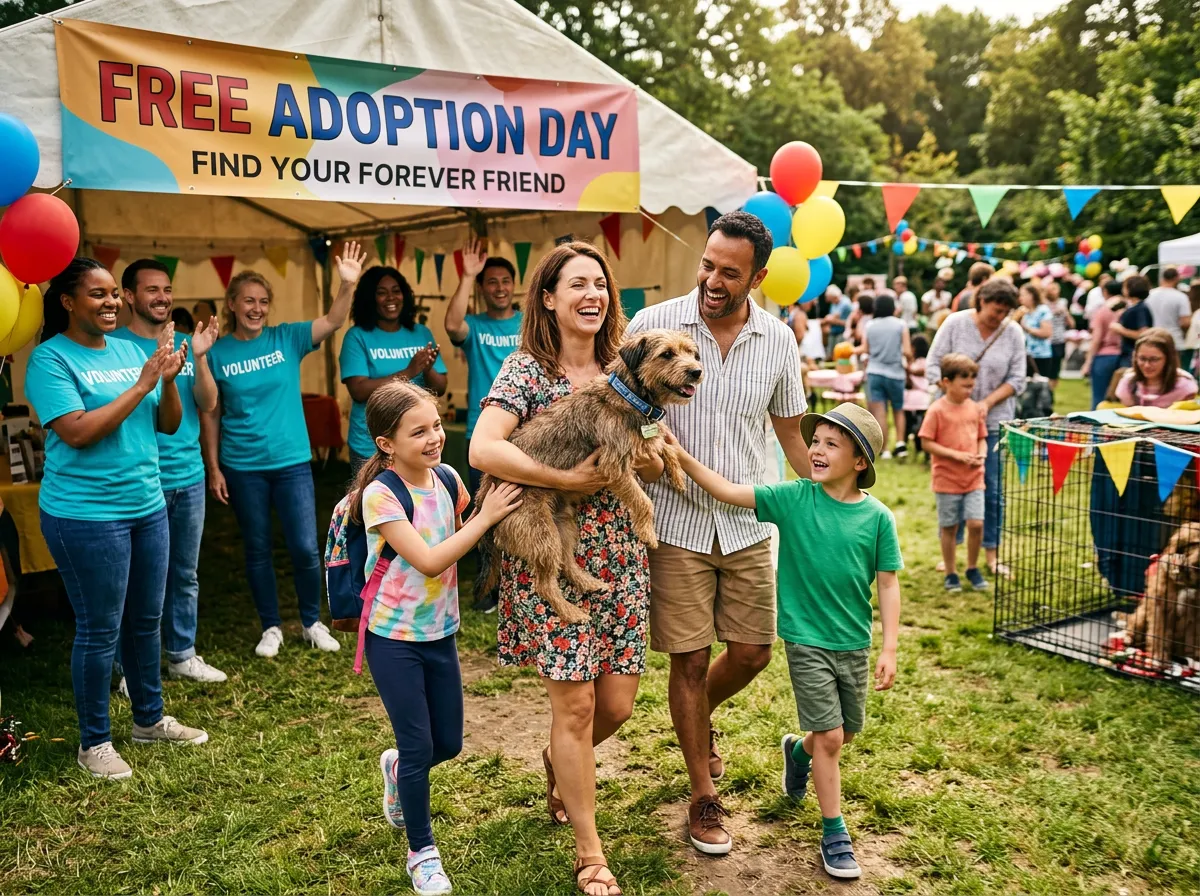
Cheapest Ways to Adopt a Dog Near You
I remember the first time I saw Daisy, a scruffy, sweet senior Beagle with one cloudy eye, during a "Clear the Shelter" event in Austin, Texas, back in July 2022. Her adoption fee was completely waived because she was considered a "long-stay" dog, having been at the shelter for over three months. Many people walk past those dogs, thinking there must be something wrong, but for me, it was a chance to save a life and a fantastic way to welcome a new companion without breaking the bank. Daisy brought so much joy, and her initial "cost" was zero dollars.
The Real Value of Adoption: How Shelter Fees Save You Thousands
Understanding the actual value behind an adoption fee is crucial, because it's rarely just a fee for the animal itself. Most local shelters and rescues include a significant package of veterinary services that would cost hundreds, even thousands, if you paid for them privately. When you adopt, you're not paying for a "cheap" dog; you're paying for a dog that has already received essential care, making adoption one of the smartest financial decisions for a new pet parent.
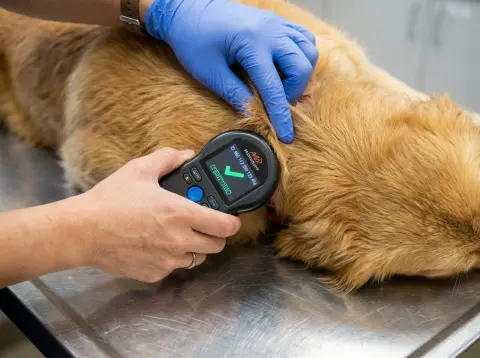
Consider what's typically bundled into that single adoption fee. You'll almost always get a spayed or neutered animal, age-appropriate vaccinations (like DHPP and rabies), and microchipping. Many shelters also include a preliminary health check, deworming, initial flea and tick prevention, and sometimes even a starter bag of food or a discount voucher for a local vet. The ASPCA often highlights these inclusions as a major benefit, and they're right.
Here's a quick look at how those costs add up if you were to get these services on your own:
| Service | Estimated Private Vet Cost (USD) |
|---|---|
| Spay/Neuter Surgery | $200 - $500 |
| Core Vaccinations (e.g., DHPP, Rabies) | $75 - $150 |
| Microchipping & Registration | $40 - $70 |
| Initial Deworming & Flea/Tick Treatment | $50 - $100 |
| Total Estimated Private Cost | $365 - $820 |
Looking at those numbers, a typical adoption fee of $50 to $300 suddenly looks like an incredible deal. You're getting a healthy, prepared dog for a fraction of what you'd pay elsewhere, all while giving an animal a second chance at life. This is why I always tell people that adopting from a shelter is the smartest financial move, even at full price.
Finding Those Hidden Deals: Insider Tips for Low-Cost Adoption
If you're looking to minimize your initial outlay even further, there are definite strategies to find lower adoption fees or even fee-waived opportunities for dogs for adoption. Shelters are constantly working to get animals into homes, and they often run promotions to encourage adoption, especially for animals who have been waiting a while. You just need to know where and how to look.
First, follow your local shelters and rescues on social media. They frequently announce "Clear the Shelter" events, holiday promotions, or fee reductions for specific types of animals (like senior dogs or large dog breeds) on platforms like Facebook and Instagram. Sign up for their email newsletters too; these often give you a heads-up before public announcements.
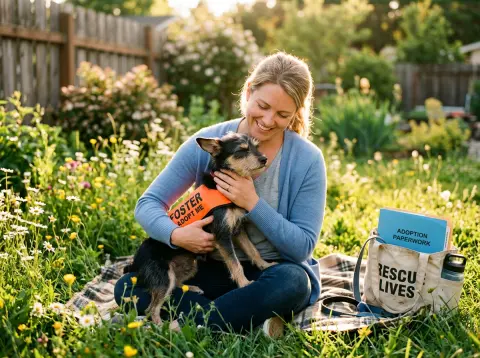
Second, ask about special programs. Many organizations offer discounts for seniors adopting senior pets, veterans, or first responders. Some shelters also have "foster-to-adopt" programs, where you foster a dog with the intention of adopting them. This allows you to ensure a good fit without the immediate financial commitment, and sometimes the adoption fee is reduced or waived after a successful foster period. I've seen many families in Seattle, Washington, take advantage of this, especially for dogs needing a little extra time to adjust.
Third, consider "hard-to-place" pets. These are often adult dogs, dogs with specific breed characteristics (like certain bully breeds that face stigma), or those with minor, manageable medical conditions. Shelters desperately want these animals to find homes and will often reduce or waive their fees. Don't overlook these dogs; they often make the most loyal and loving companions.
What Most People Get Wrong About "Cheap" Dogs
Here's what frankly infuriates me: the pervasive myth that a lower adoption fee or a fee-waived dog means you're getting a "problem" animal or a less healthy one. It's a ridiculous and harmful assumption that needs to stop. Shelters are not trying to offload sick or difficult dogs; they are trying to save lives, pure and simple. When a shelter waives a fee, it's a strategic decision to make adoption more accessible and to clear kennel space for the constant influx of new animals. The idea that a "free" dog is somehow less valuable or more prone to issues than one with a $500 price tag is entirely unfounded and frankly, it's insulting to the dedicated people who work tirelessly to care for these animals.
I adopted Buster, a big, goofy Boxer-Pitbull mix, from a shelter in Portland, Oregon, back in 2019. He was considered "hard to place" because of his size and breed, so his fee was reduced to just $75. People warned me he'd be a handful, probably have behavioral issues, or hidden medical problems. Spoiler alert: he was (and is) one of the best dogs I've ever known. Healthy, sweet, and a complete couch potato. His "cheapness" had nothing to do with his quality as a pet. It had everything to do with the shelter's mission to find him a home.
Remember, the goal of a reputable shelter is to find good homes for good dogs. They've already invested in their health and well-being. A reduced fee is a reflection of their commitment to adoption, not a red flag about the animal.
Beyond the Adoption Fee: Budget-Friendly First-Year Ownership
While finding a low adoption fee is a great start, the real financial planning begins once your new family member is home. Initial setup costs and ongoing expenses are where most new owners get surprised. You need to factor in food, supplies, and veterinary care beyond the initial shelter services. But don't worry, there are plenty of ways to keep these costs manageable too.
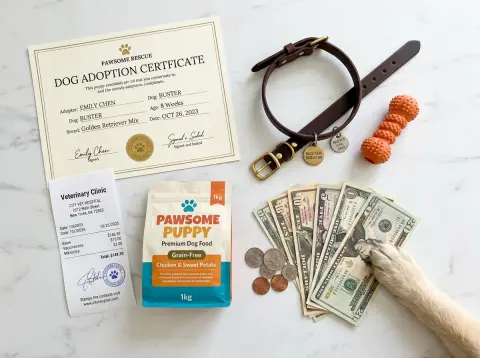
First, for initial supplies, think smart. You don't need to buy everything brand new. Look for gently used crates or carriers on local online marketplaces. Ask friends if they have old leashes, bowls, or toys they're no longer using. Many shelters even have "freebie" tables with donated items. A good quality leash and collar are essential, but you can find durable options without spending a fortune.
Second, plan for food and routine vet visits. Food costs vary wildly by breed size and diet, but expect to spend $30-$80 a month for an average adult dog. For vet care, a follow-up wellness exam (even if the shelter did one) is a good idea, and annual check-ups are critical. Look into low-cost vaccination clinics or community vet services, which often offer significantly reduced rates for routine care.
A simple checklist for your first year can help:
- Food and Bowls: ~$30-80/month (Look for sales, buy in bulk)
- Leash, Collar, Harness: ~$20-50 (Durable, not necessarily fancy)
- Crate/Bed: ~$50-150 (Consider used options or sturdy blankets)
- Toys: ~$10-30/month (DIY toys, durable chew toys)
- Initial Vet Visit: ~$100-200 (Post-adoption check-up)
- Licensing: ~$15-50/year (Required in most municipalities)
- Training Classes (Optional but Recommended): ~$100-300 (Group classes are more affordable)
Remember, many shelters offer post-adoption support, including behavior advice and resources for low-cost veterinary care. Don't be afraid to ask for help or guidance.
Over 425,000 cats and dogs were killed in U.S. shelters in 2024 alone, a statistic that underscores the urgency of adoption.
So, when you consider all the ways to bring a dog into your life, why would you ever think twice about the unparalleled value of adoption?