Dog Ate Chocolate: How Much Is Toxic by Weight
Hearing that awful crunch and realizing your dog just ate chocolate is enough to send any pet parent into a full-blown panic. Honestly, it's one of the most common emergency calls vets receive, and for good reason: chocolate can be seriously toxic to dogs, even in small amounts depending on the type and your dog's size. Your immediate action should always be to call your veterinarian or an animal poison control center right away, because knowing "how much is too much" is critical, and they can help you figure that out fast.
Dog Ate Chocolate: Call Your Vet Immediately (And What to Tell Them)
If your dog has eaten chocolate, your first and most important step is to contact your veterinarian or an animal poison control hotline, like the ASPCA Animal Poison Control Center (APCC) or the Pet Poison Helpline, without delay. Seriously, do not wait to see if symptoms develop. Time is often a critical factor in these situations. I've seen firsthand in shelters how quickly situations can turn, and early intervention makes a huge difference.
When you call, be prepared to give them as much detail as possible. This information will help them assess the risk and guide your next steps. Here's what they'll likely ask:
- Your dog's weight: An accurate weight is crucial for calculating toxicity. If you adopted recently and aren't sure, estimate as best you can, or check their adoption paperwork from local shelters.
- Type of chocolate: Was it milk chocolate, dark chocolate, baking chocolate, cocoa powder, or white chocolate? This matters a lot.
- Amount ingested: How much did they eat? Was it a single candy bar, a bag of chips, or a whole tray of brownies?
- Time of ingestion: Approximately when did your dog eat the chocolate?
- Any symptoms: Is your dog showing any signs of illness?
Honestly, the "wait and see" approach is a bad idea here. Dogs, especially those new to a home or from unknown backgrounds, can be notorious scavengers. My own rescue, Buster, once managed to get into a sealed container of brownies that I thought was completely secure. You just never know what they'll find, and it's always better to be safe than sorry.
Understanding Chocolate Toxicity: It's All About Theobromine (and Weight)
The reason chocolate is so dangerous for dogs isn't some mystery chemical; it's primarily due to a compound called theobromine, along with some caffeine. Humans can metabolize theobromine fairly quickly, but dogs process it much slower, allowing toxic levels to build up in their system. The amount of theobromine varies significantly depending on the type of chocolate, which is why some chocolate types are far more dangerous than others.
Generally, the darker and more bitter the chocolate, the higher its theobromine content, and therefore, the more toxic it is. White chocolate, for example, has very little theobromine, making it less of a concern, though it can still cause an upset stomach due to its fat content. Baking chocolate and cocoa powder are the most dangerous because they are highly concentrated.
Look at this breakdown of approximate theobromine content per 28 grams (about one ounce) and how toxicity levels relate to a dog's body weight:
| Chocolate Type | Theobromine Content (per 28g) | Toxicity Risk |
|---|---|---|
| White Chocolate | ~0.25 mg | Very Low |
| Milk Chocolate | 44–58 mg | Moderate |
| Dark Chocolate (Semi-sweet, Bittersweet) | 130–450 mg | High |
| Baking Chocolate / Cocoa Powder | ~20-26 mg/g (or 560-728 mg per 28g) | Very High |
Now, let's talk about how much is too much. Toxicity levels are usually measured in milligrams of theobromine per kilogram of your dog's body weight (mg/kg BW). Here's a general guideline:
- Mild symptoms: Typically begin at doses greater than 20 mg/kg BW.
- Moderate symptoms: Seen at doses greater than 40 mg/kg BW.
- Severe symptoms: Including seizures, can occur at doses greater than 60 mg/kg BW.
- Potentially fatal: Doses greater than 100 mg/kg BW are considered potentially lethal.
This means a small amount of dark chocolate can be much more dangerous for a tiny Chihuahua than a large amount of milk chocolate for a Great Dane. For instance, a potentially lethal dose of milk chocolate is generally considered to be over 0.5 ounces per pound of body weight (approximately 62 grams per kilogram), while for dark or baking chocolate, it's a much smaller 0.1-0.13 ounces per pound of body weight. This is why getting an accurate weight for your dog breeds and knowing the chocolate type is so important for your vet.
What to Watch For: Symptoms and When They Appear
Observing your dog closely after suspected chocolate ingestion is important, even if you've already called your vet. Symptoms can vary widely based on the amount and type of chocolate eaten, and your dog's individual sensitivity. They also don't always appear immediately; it can take anywhere from 1 to 12 hours for signs of chocolate toxicity to show up.
Many dogs will first show signs of gastrointestinal upset. This might include:
- Vomiting
- Diarrhea
- Increased thirst
- Restlessness and hyperactivity
More severe signs, indicating higher toxicity, can include:
- Tremors
- Elevated heart rate (tachycardia)
- Arrhythmias (irregular heart rhythm)
- Seizures
- Collapse
- Coma
I remember one time at the shelter, a newly arrived terrier mix, who was already a bit anxious, got into a staff member's unattended Halloween candy. The dog became agitated, pacing and panting excessively, before starting to vomit. It was a clear reminder that even dogs with unknown histories can react strongly and quickly. Every minute counts when you see these kinds of symptoms. Don't assume your dog will just "sleep it off" if they're acting strangely.
First Aid and Vet Treatment: What Happens Next?
Your veterinarian's goal will be to either prevent the absorption of theobromine or to manage the symptoms your dog is experiencing. What they recommend will depend on the details you provide: how much, what kind, when, and your dog's current condition.
Inducing Vomiting at Home? Think Twice.
Many people ask about inducing vomiting at home. My strong advice? Unless your vet specifically instructs you to, and tells you exactly how much hydrogen peroxide to use, do not try this yourself. There's a narrow window of time for inducing vomiting – usually within 1 to 3 hours of ingestion – and doing it incorrectly can lead to dangerous complications like aspiration pneumonia, where your dog inhales vomit into their lungs. It's not worth the risk.
What the Vet Will Do.
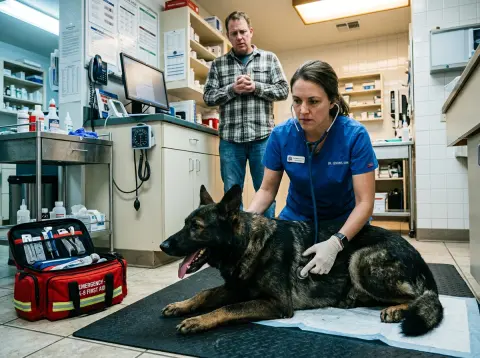
At the clinic, the vet has safer and more effective methods. They might use a medication like apomorphine to induce vomiting quickly and safely. After vomiting, or if it's been too long since ingestion, they might administer activated charcoal. This substance binds to the toxins in the stomach and intestines, preventing them from being absorbed into the bloodstream. Often, dogs will also receive intravenous (IV) fluids to help flush the toxins from their system and prevent dehydration.
For dogs showing more severe symptoms, the vet will provide supportive care. This could mean medications to control seizures, regulate heart rate, or manage tremors. The cost for emergency treatment can vary significantly, ranging from a few hundred dollars for induced vomiting and activated charcoal to well over a thousand or two for more intensive care, hospitalization, and medication if seizures or heart issues develop. Having pet insurance can certainly ease the financial burden if you're ever in this stressful situation with your dogs for adoption.
Prevention is Key: Keeping Chocolate Out of Reach
The easiest way to avoid this whole terrifying scenario is to prevent it from ever happening. Treat your home as if you have a curious toddler who can climb anything and open everything, because your dog probably can too. This is especially true for adopted dogs, who may have learned to be very resourceful scavengers in their previous environments.
Honestly, I've had to learn this the hard way with my own dogs. My chocolate Lab, Daisy, once ate an entire box of truffles from a low coffee table during a holiday party. That was an expensive lesson!
- Store all chocolate securely: This means high shelves, locked pantries, or in containers your dog cannot open. Don't leave candy dishes on coffee tables or counters.
- Educate your family and guests: Make sure everyone knows not to feed your dog any chocolate and to keep their own chocolate items (purses, backpacks, coats) out of reach.
- Be extra vigilant during holidays: Halloween, Christmas, Easter, and Valentine's Day are peak times for chocolate poisonings.
- Teach "Leave It": This command can be a lifesaver. Consistent training can help your dog ignore tempting items on the floor or counter.
Accidents happen, of course. But with a little vigilance and proactive storage, you can significantly reduce the risk of your dog getting into chocolate. Stay informed, stay prepared, and keep those delicious but dangerous treats far away from curious noses and mouths. For more tips on keeping your dog safe and healthy, check out our blog.
The moment you suspect your dog has eaten chocolate, pick up the phone. Call your vet or an animal poison control center right away. Do it now, before you even finish cleaning up the wrapper.