Dog Emergency Vet Checklist: 15 Red Flag Symptoms
The moment you realize your dog might be in serious trouble is terrifying. One minute they are fine, and the next, something is clearly wrong. That sudden panic can make it hard to think straight, and knowing when to rush to the emergency vet versus waiting it out can feel like an impossible decision. This checklist of 15 red flag symptoms will help you identify true emergencies, offering clarity when you need it most.
Knowing What's Normal: Your Dog's Baseline
Understanding your dog's typical behavior and vital signs is the first step to recognizing an emergency. If you know what's normal for them, any deviation stands out immediately. I have adopted three dogs over the years, and each one had a unique "normal" baseline, which I learned by closely observing them in those first few weeks and months.
For example, my first rescue, a senior Labrador mix, always had a slightly slower gait, but a sudden limp was a huge red flag. A quick check of their vital signs can also provide crucial information for your vet when you call. Here are the average ranges for adult dogs, though remember that puppies and smaller dog breeds might have slightly different norms:
| Vital Sign | Normal Range (Adult Dog) |
|---|---|
| Heart Rate | 70-120 beats per minute |
| Respiratory Rate | 10-30 breaths per minute |
| Temperature | 101-102.5°F (Rectal) |
| Capillary Refill Time (CRT) | Under 2 seconds |
Checking these regularly, even when your dog is healthy, helps you know what to expect. Many shelters will provide this information, and it's a good idea to ask for it when adopting dogs for adoption.
The 15 Red Flag Symptoms That Demand Immediate Vet Attention
These symptoms indicate serious, potentially life-threatening conditions requiring emergency veterinary care. Do not wait for these to improve on their own; immediate action can be the difference between a full recovery and a tragic outcome. I have seen too many cases in my eight years volunteering at local shelters where a delay made things much worse.
Specific Red Flags and What They Mean
- Difficulty Breathing or Persistent Coughing: This isn't just a heavy pant. Look for exaggerated chest movements, blue or pale gums, or a cough that won't stop. These can point to heart failure, pneumonia, or an allergic reaction, all of which restrict oxygen flow to the brain and other organs.
- Collapse or Sudden Weakness: If your dog suddenly can't stand, falls over, or seems too weak to move, it's a medical crisis. This can be a sign of internal bleeding, severe heart issues, neurological problems like a stroke, or even extreme pain.
- Persistent Vomiting or Diarrhea (especially with blood): A single vomit might be nothing, but repeated episodes, especially with lethargy, abdominal pain, or blood, signal a serious issue. This could be severe dehydration, toxin ingestion, an intestinal blockage, or a critical infection like parvovirus.
- Bloated or Distended Abdomen: This is a massive red flag, particularly in deep-chested dog breeds like Great Danes or German Shepherds. It could indicate Gastric Dilatation-Volvulus (GDV), or "bloat," where the stomach twists. Bloat is fatal within hours without emergency surgery.
- Seizures: A seizure lasting more than two to three minutes, or two or more seizures within a 24-hour period, is an emergency. Seizures can be caused by epilepsy, brain tumors, toxin exposure, or metabolic imbalances.
- Uncontrolled Bleeding: Any bleeding that won't stop after five minutes of gentle pressure is a serious concern. This can be from a deep wound, an internal injury, or a clotting disorder.
- Inability to Urinate or Defecate: Straining without producing anything, or showing pain while trying, can mean a urinary blockage (common in male dogs) or a severe intestinal obstruction. Both are extremely painful and can be life-threatening.
- Suspected Toxin Ingestion: If you suspect your dog ate something poisonous - chocolate, medications, chemicals, certain plants - do not wait for symptoms. Call your vet or the ASPCA Animal Poison Control Center immediately. Time is critical.
- Severe Pain or Lameness: Crying out, limping badly, refusing to put weight on a limb, or acting unusually aggressive due to pain are all signs. This could be a broken bone, a severe sprain, or internal injury.
- Eye Injury or Sudden Blindness: A sudden red eye, squinting, discharge, or bumping into furniture suggests an eye emergency. Corneal ulcers, glaucoma, or severe trauma can lead to permanent vision loss if not treated quickly.
- Unresponsiveness or Extreme Lethargy: If your dog is difficult to rouse, seems disoriented, or is far more sluggish than usual, something is wrong. This can be a symptom of shock, severe illness, or a neurological event.
- High Fever or Low Body Temperature: A temperature significantly above 102.5°F or below 99°F indicates a major problem. Fevers often signal infection, while low temperatures can mean shock or severe illness.
- Pale Gums: Healthy gums are pink. Pale white or bluish gums indicate a lack of oxygen or severe blood loss, suggesting shock, anemia, or internal bleeding. Press on the gum; if the pink color doesn't return within two seconds (CRT), it's a worry.
- Anaphylactic Reaction (Swelling, Hives): A sudden allergic reaction, often to an insect sting, vaccine, or food, can cause facial swelling, hives, and difficulty breathing. This needs immediate veterinary intervention.
- Not Eating for 48 Hours or More: While a dog might skip a meal without concern, going 24 hours without eating is a concern, and 48 hours warrants an urgent vet evaluation. This can indicate pain, nausea, or a serious underlying illness.
The Adopted Dog's Emergency: When Their Past is a Mystery
Recognizing emergencies in newly adopted dogs for adoption requires extra vigilance because their baseline behavior and medical history might be unknown. I remember bringing home my second dog, a scruffy terrier mix named Gus, who had a history of neglect. His "normal" was hard to pin down at first, so I had to be extra observant.
Start by creating an "emergency profile" for your new dog. Gather any medical records from the shelter, note their typical eating habits, bathroom schedule, and energy levels in the first few days and weeks. Ask the shelter staff about any known health issues or quirks. One shelter volunteer once told me, "You are their advocate, especially when they can't tell you what hurts."
Consider that a rescue dog might hide pain or discomfort due to past trauma. Subtle changes, like a slight decrease in appetite or a reluctance to play, might be more significant for an adopted dog. My Gus, for example, would just sit and stare at a wall when he felt unwell, a behavior I learned to interpret as a quiet cry for help. It is worth discussing your dog's history with your vet during their first check-up, especially if you have questions about specific browse breeds and their predispositions.
Preparing for the Unexpected: Your Emergency Action Plan
Having a plan in place before an emergency strikes can save precious time and reduce stress during a critical situation. This isn't about being paranoid; it's about being prepared, which is a big part of responsible pet ownership. I keep a laminated card with all this information right on my fridge.
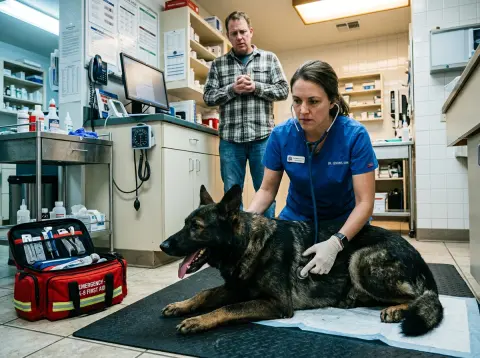
First, know the location and phone number of your closest 24-hour emergency veterinary clinic, even if it's not your regular vet. Save it in your phone. Call them immediately if you suspect an emergency. They can offer advice on whether to come in and can prepare for your arrival, saving valuable minutes when you get there.
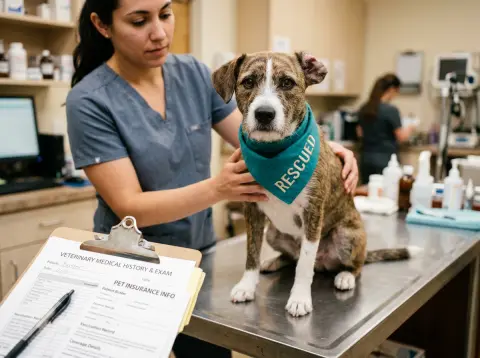
Next, keep a small folder or digital file with your dog's important medical records. This includes vaccine history (like DHPP and rabies), any known allergies, current medications, and your regular vet's contact information. Bringing this with you will give the emergency vet a quick overview of your dog's health. Finally, consider pet insurance; it can ease the financial burden of unexpected emergency care, which can be costly. For more pet care tips, check out our blog.
So, take a moment today to locate your nearest emergency vet, save their number, and make sure your dog's medical records are easily accessible. This simple preparation can make all the difference.