Dog Follows Me Everywhere: Velcro Dog Explained
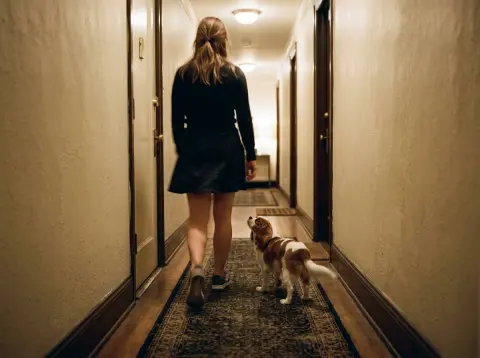
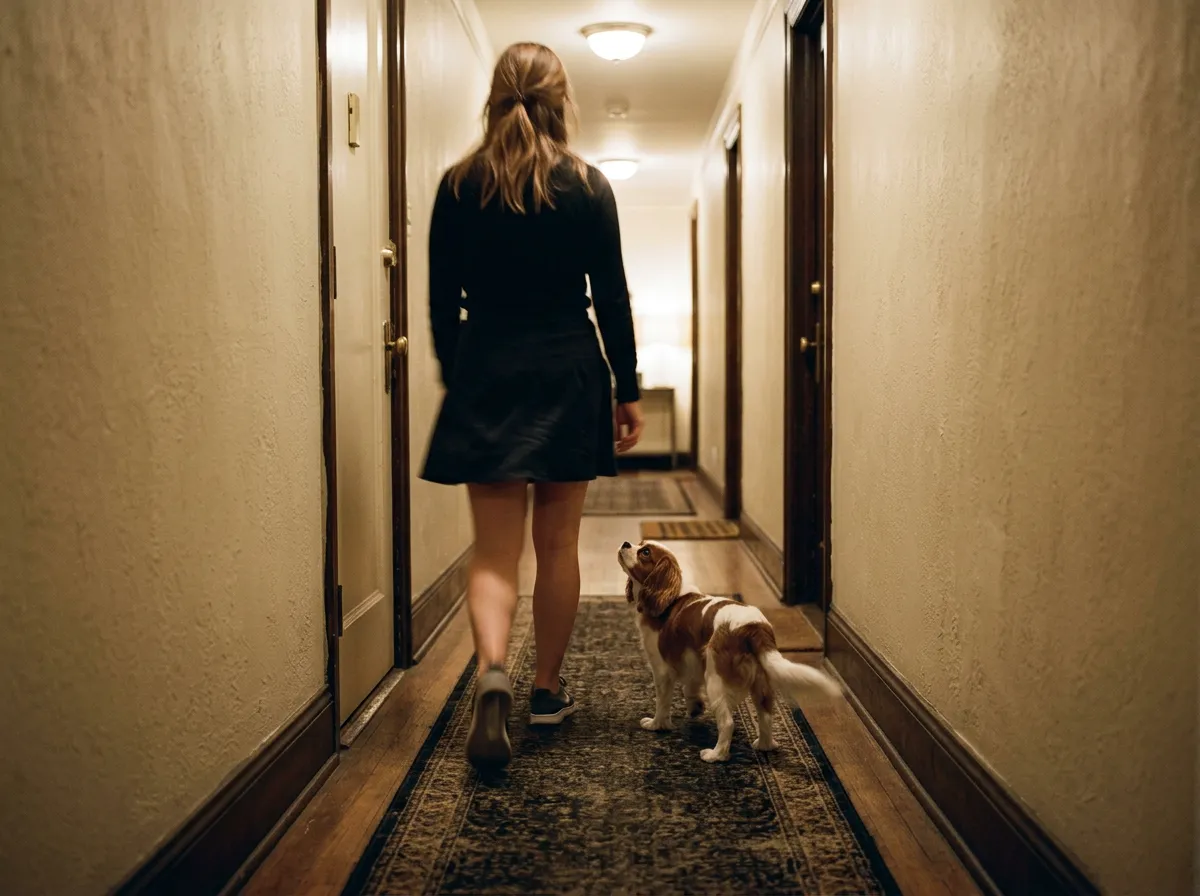
It happens to many of us: you get up to grab a snack, and there they are, right behind you. You move from the living room to the kitchen, and your dog trails along. Even a trip to the bathroom often involves a nose nudging the door or a quiet presence outside. This constant shadowing behavior is often called being a "Velcro dog," and while it can be endearing, it sometimes signals something more. For newly adopted shelter dogs, this clinginess takes on a special meaning, often rooted in their past and their desperate need for security. Understanding the difference between normal bonding and anxiety is key to helping your new family member settle in.
What is a "Velcro Dog" and Why Do They Stick So Close?
A "Velcro dog" is simply a canine companion who prefers to be in close proximity to their human at all times, often following them from room to room. This behavior is usually a sign of affection and a strong bond, showing that your dog sees you as their primary source of comfort and safety. Many dogs, especially those bred for companionship or working closely with humans, naturally gravitate towards their people.
Sometimes, this closeness is a learned behavior. If your dog gets attention, a treat, or a scratch behind the ears every time they follow you, they quickly learn that being near you brings good things. You might not even realize you're reinforcing it. Certain dog breeds are also more predisposed to this trait, like the affectionate Vizsla, the ever-loyal Golden Retriever, or the attentive Cavalier King Charles Spaniel. These dogs thrive on human interaction and can become quite your shadow.
The Unique Case of the Newly Adopted Dog
Consider the journey many adopted dogs have taken. They've likely experienced instability, perhaps living in a shelter for weeks or months, or even enduring abandonment. When they finally come home with you, their world has changed completely. This new environment, no matter how loving, can be overwhelming. Suddenly, you are their entire world - their food source, their protector, their only consistent presence. Their clinginess is often a survival mechanism, a way to ensure they don't lose this new, precious security.
My own experience with my third rescue, a shy terrier mix named Barnaby, taught me a lot about this. For the first two months, he was glued to my side, even sleeping under my desk while I worked. He'd whimper if I left the room for a minute. Many people told me to "nip it in the bud" and force him to be independent, but I didn't. I let him stick close, offering gentle reassurance. I felt he needed to understand he was safe, that I wouldn't leave him. This initial period of allowing the clinginess, rather than fighting it, built a foundation of trust that helped him later.
Building trust with an adopted dog, especially one with an unknown past, is a slow and steady process. They are learning to rely on you, to understand your routine, and to believe that you will always return. This period of intense attachment, while sometimes inconvenient, is a critical part of their adjustment. It's their way of saying, "Please don't leave me."
When Clinginess Turns to Concern: Spotting Anxiety in Adopted Dogs
While some shadowing is normal and healthy, it's important to recognize when a dog's clinginess might be a sign of deeper anxiety, particularly separation anxiety. True separation anxiety is more than just following you around; it's a panic response to being left alone. This distinction is crucial, especially for dogs who have been abandoned or had inconsistent care before adoption.
Look for specific indicators that go beyond a dog simply wanting to be near you. Dogs with separation anxiety often display destructive behaviors like chewing furniture or doorframes, especially around exit points, when left alone. They might also engage in excessive vocalization - constant barking, howling, or whining - or have house-soiling accidents even if they are reliably house-trained. Pacing, drooling, or attempting to escape their confinement are also common signs. These behaviors typically only occur when you are absent or preparing to leave, not when you are present.
If you notice these more extreme behaviors, it's a good idea to consult your veterinarian first. They can rule out any underlying medical conditions that might contribute to anxiety, as recommended by organizations like the American Veterinary Medical Association (AVMA). Sometimes a sudden change in behavior can be linked to pain or a cognitive decline, especially in older dogs. If health issues are ruled out, your vet can often recommend a certified professional dog trainer or a veterinary behaviorist who specializes in anxiety. They can help you develop a tailored plan to address the specific needs of your rescue dog.
Strategies for Building Independence and Confidence
Helping your dog become more independent involves a combination of consistent routines, positive reinforcement, and gradual desensitization. It's not about pushing them away, but about teaching them that being alone for short periods is safe and even rewarding.
Firstly, establish a designated "safe space" for your dog. This could be a crate, a dog bed in a quiet corner, or a specific room. Make this space appealing with comfortable bedding, a favorite toy, and perhaps a long-lasting chew like a KONG filled with peanut butter. Encourage them to go there voluntarily, rewarding them with praise and treats when they do. This space should be their sanctuary, not a punishment.
Secondly, practice "structured separation." Start by leaving your dog alone for very short periods - just a few seconds - and gradually increase the duration. Walk out the door, wait five seconds, then come back in calmly. Don't make a big fuss when you leave or return. The goal is to make your departures and arrivals uneventful, so your dog doesn't associate them with high emotion. You can slowly increase the time, going from minutes to half an hour, then longer. This is particularly helpful for dog breeds known for their attachment.
Additionally, mental stimulation is just as important as physical exercise. A bored dog is more likely to be a clingy dog. Incorporate puzzle toys, scent work games, and regular training sessions into their day. Teaching new commands or practicing tricks can tire their minds and build their confidence. A tired dog, both physically and mentally, is often a calmer dog. I always recommend at least 30 minutes of dedicated mental work each day, even if it's just a game of "find the treat."
Here's what most people get wrong: they constantly reward their dog's clinginess with attention. While it's natural to want to pet your dog when they follow you, try to give them attention when they are calm and settled on their own, not when they are demanding it. This teaches them that independence can also lead to positive interactions. For example, if your dog is resting quietly on their bed, go over and give them a gentle pet. This reinforces the desired behavior without encouraging constant shadowing.
A Day-by-Day Plan for Your New Shadow
Bringing home a shelter dog is a big adjustment for everyone. Here is a simple, phased approach to help your new family member settle in and build independence:
- Week 1: The "Honeymoon" Phase
- Focus on routine: consistent feeding times, potty breaks, and short walks.
- Allow your dog to follow you. Don't push them away. This is a crucial trust-building period.
- Establish a safe space (crate or bed) and make it inviting.
- Keep alone time minimal - only when necessary.
- Start with positive, low-pressure interactions.
- Weeks 2-4: Gentle Exploration
- Begin very short, planned absences (1-5 minutes). Leave a high-value chew toy.
- Gradually increase alone time as your dog shows comfort.
- Introduce mental games and basic training (sit, stay).
- Continue reinforcing calm, independent behavior.
- Explore different dog names and see which one they respond to best.
- Month 2 and Beyond: Building Confidence
- Continue to increase alone time, varying durations and departure cues.
- Work on "stay" commands in different rooms.
- Consider doggy daycare a few days a week if appropriate for their temperament.
- If anxiety persists, consult with a professional trainer or veterinary behaviorist.
Remember, every dog is an individual, and the timeline for building independence will vary. Some dogs adjust quickly, while others, especially those with past trauma, need more time and patience. Your consistency and understanding are the most powerful tools you have.
Today, start by identifying one small step you can take to reinforce calm, independent behavior in your dog. Perhaps it's waiting for them to settle before offering a treat, or simply tossing a puzzle toy for them to work on while you're in the next room. Small changes build big confidence.