Dog Scooting on the Floor: Causes and Solutions
Let's be clear: if your dog is scooting on the floor, it's not because they're trying to be funny or just scratching an itch; it's a distress signal, and ignoring it means ignoring a potential health issue that can escalate quickly. As someone who has volunteered in local shelters for years and adopted my fair share of dogs and cats, I can tell you that a dog dragging its rear end across your carpet is almost always trying to tell you something important about their health, and it's your job to listen.
What Exactly Is Dog Scooting and Why Does It Happen?
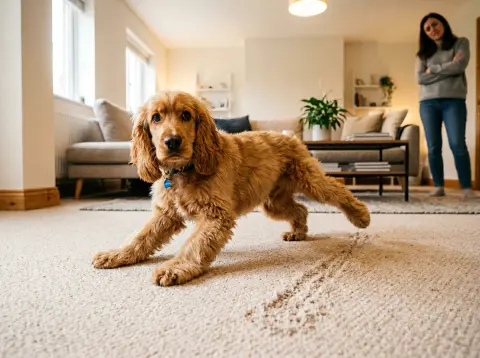
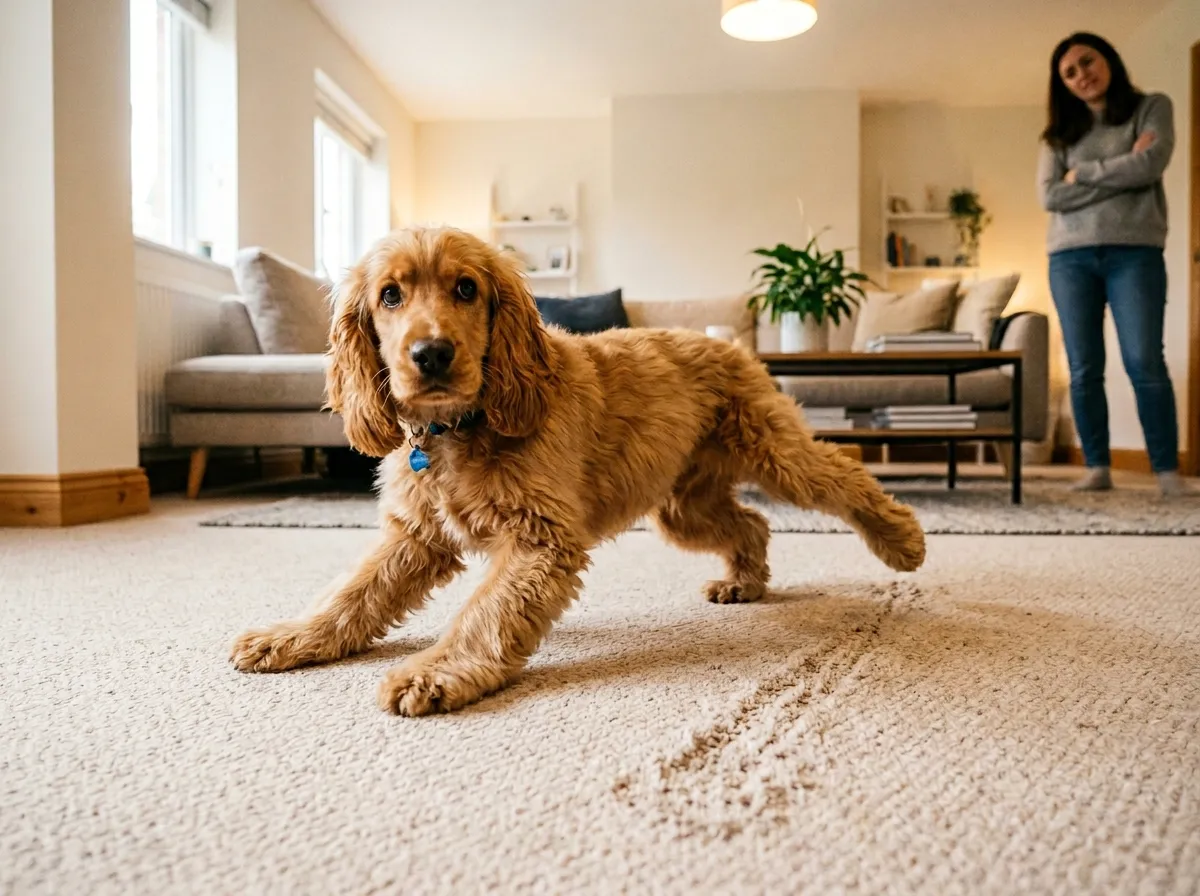
Dog scooting on the floor describes the action of a dog sitting on its rear and dragging itself forward using its front legs. This behavior is almost universally a sign of irritation or discomfort around the anal area. While it might look amusing, it's a strong indicator that something is bothering your dog, ranging from mild itchiness to more serious infections. Understanding the underlying cause is the first step toward helping your dog for adoption find relief.
Often, the primary culprit behind dog scooting is issues with the anal glands (also called anal sacs). These two small glands, located on either side of your dog's anus, normally express a pungent, oily liquid during defecation. This liquid serves as a scent marker, a sort of canine ID badge. However, if these glands don't express naturally, they can become impacted, inflamed, or even infected, leading to significant discomfort. Around 4.4% of dogs suffer from sac issues, making this a common concern for many owners.
I remember a scruffy Terrier mix named Cooper who arrived at a New Orleans shelter a few years ago, scooting constantly. His previous owners said he'd "always done it." After a check-up, the shelter vet found his anal glands were severely impacted and infected. A simple manual expression and a round of antibiotics from the vet, costing about $150, stopped the scooting entirely. It just goes to show how easily a solvable problem can be overlooked.
The Usual Suspects: Common Medical Reasons for Dog Scooting
Beyond anal gland problems, several other medical conditions frequently cause dogs to scoot. These issues, while sometimes less dramatic than an impacted gland, still demand your attention and often require veterinary intervention. Ignoring these signs can lead to worsening conditions and prolonged discomfort for your dog.
- Anal Gland Issues: As mentioned, impaction, infection (sacculitis), or abscesses are the most common reasons. When the glands don't empty naturally, the fluid thickens, causing pressure and pain.
- Intestinal Parasites: Worms like tapeworms or roundworms can cause intense anal itching. You might see small, rice-like segments of tapeworms around your dog's anus or in their stool. Regular deworming, especially for puppies and newly adopted dogs with unknown histories, is crucial.
- Allergies: Both food and environmental allergies can manifest as itchy skin, including around the rear end. If your dog is itchy all over and also scooting, allergies could be at play. Common allergens include certain proteins in food (chicken, beef) or environmental triggers like pollen and dust mites.
- Skin Irritation: Sometimes, it's as simple as fecal residue getting stuck in the fur, especially in long-haired dog breeds like Shih Tzus or Golden Retrievers. Matted fur around the anus can also trap moisture and cause irritation.
For my adopted dog, Bella, a charming Poodle mix I brought home from a Boston rescue five years ago, her recurring scooting turned out to be a combination of mild seasonal allergies and anal gland issues. We tried various things, but ultimately, a diet change to a limited ingredient food like Purina Pro Plan Sensitive Skin and Stomach and a regular grooming schedule (every 6-8 weeks, about $70 per visit) helped control it. It was a process of elimination, but worth every bit of effort for her comfort.
Beyond the Obvious: Less Common Causes and Behavioral Factors
While anal glands and parasites grab most of the attention, other factors can contribute to your dog dragging their rear. Some of these are less common but just as important to rule out, while others involve understanding your dog's overall well-being. It's easy to jump to the most common conclusion, but a thorough look can prevent misdiagnosis.
I've encountered owners who genuinely believed their dog was simply "playing" or being "silly" when scooting, which always surprises me because the discomfort is usually so apparent. Dogs don't typically "play" by dragging their bottoms; they do it because something hurts or itches. This misunderstanding can delay essential veterinary care.
- Poor Hygiene: Sometimes, it's just messy business. After a loose stool, some residue can get stuck, causing itchiness. A quick wipe with an unscented pet-safe wipe can often solve this.
- Foreign Objects: Grass awns, small burrs, or tiny pieces of debris can get lodged in the fur around the anus, causing irritation.
- Matted Fur: For breeds with long hair, matted fur can pull at the skin, trap moisture, and lead to irritation or even skin infections. Regular grooming is not just for looks; it's a health necessity.
- Rectal Prolapse: Though rare, this serious condition involves the rectum protruding from the anus. It requires immediate veterinary attention.
- Tumors or Polyps: Growths in or around the anal area can cause discomfort and scooting.
- Overweight Dogs: Approximately 56% of dogs are considered overweight, and this extra weight can put pressure on the anal glands, making natural expression more difficult. A healthy weight is crucial for overall health and preventing many issues.
Considering an adopted dog's journey "from shelter to sofa," the stress of a new environment and sudden dietary changes can also contribute. A dog might have an unknown history of sensitivities, or the shelter diet might have been different from what you offer. Always transition new foods gradually over 7-10 days to avoid digestive upset, which can indirectly lead to scooting.
When to See a Vet: Signs That Mean It Is Serious
While a single instance of scooting might not be cause for alarm, persistent or accompanied by other symptoms, it's a clear signal that a veterinary visit is necessary. Waiting too long can turn a simple problem into a more complex and painful one for your dog. Your vet can accurately diagnose the issue and recommend the correct course of action.
You should schedule an appointment with your veterinarian if you observe any of the following:
- Frequent or Persistent Scooting: If your dog is scooting multiple times a day or over several days.
- Redness or Swelling: Any visible inflammation around the anus.
- Foul Odor: A strong, unpleasant smell coming from the area.
- Licking or Biting: Excessive attention to the rear end.
- Bleeding or Pus: Any discharge, especially if it's bloody or purulent.
- Pain or Discomfort: Your dog winces when touched, has difficulty sitting, or seems generally unwell.
- Changes in Stool: Diarrhea, constipation, or visible worms in the feces.
- Lethargy or Loss of Appetite: General signs of illness accompanying the scooting.
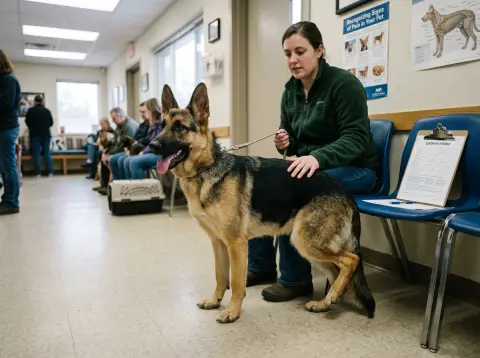
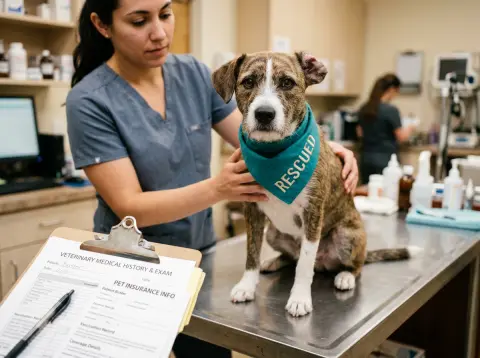
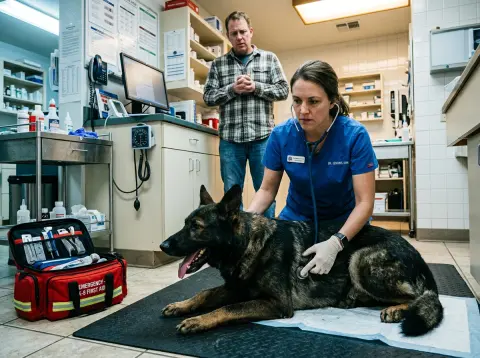
During a vet visit, the veterinarian will perform a physical exam, which usually includes checking the anal glands. They might express them manually, check for infection, or recommend a fecal exam to test for parasites. Sometimes, sedation is needed for a thorough examination if the dog is in a lot of pain. Initial vet visits for scooting can range from $70-$150, not including potential medications or follow-up procedures.
Practical Solutions and Long-Term Management
Once your veterinarian has diagnosed the cause of your dog's scooting, they will recommend specific treatments. However, there are also proactive steps you can take at home to support your dog's anal health and prevent future episodes. These solutions often work best in conjunction with professional veterinary care.
Common Solutions and Their Estimated Costs:
| Issue | Solution | Estimated Cost Range |
|---|---|---|
| Impacted Anal Glands | Manual expression (vet/groomer) | $40 - $100 per visit |
| Anal Gland Infection/Abscess | Antibiotics, anti-inflammatories, possibly flushing or surgery | $150 - $500+ (depending on severity) |
| Intestinal Parasites | Prescription dewormer (e.g., Fenbendazole, Praziquantel) | $30 - $100 |
| Allergies (Food/Environmental) | Diet change, allergy medication (e.g., Apoquel, Cytopoint) | $50 - $200+ per month/injection |
| Skin Irritation/Poor Hygiene | Grooming, trimming, medicated wipes/shampoo | $20 - $70 (grooming), $15 - $30 (products) |
Many vets recommend increasing dietary fiber to help firm up stools, which naturally aids in anal gland expression. Adding a tablespoon of canned pumpkin puree (not pie filling), a sprinkle of psyllium husk, or specially formulated fiber supplements to your dog's food can often make a big difference. For dogs prone to chronic anal gland issues, a high-fiber diet can be a game-changer.
Regular grooming, especially for long-haired breeds, is also essential. Keeping the hair around the anus trimmed short helps prevent fecal matter from sticking and reduces irritation. A professional groomer can perform an "anal gland expression" during a routine groom if your vet approves and it's a common issue for your dog.
Preventing Future Scoots: A Proactive Approach
The best defense against dog scooting is a good offense. By understanding the common causes and implementing preventative measures, you can significantly reduce the chances of your dog experiencing this uncomfortable issue. A little proactive care goes a long way in keeping your dog happy and healthy.
First and foremost, maintain a consistent and high-quality diet for your dog. Look for foods with good fiber content, and avoid frequent, sudden changes in their food. If you need to switch foods, do it slowly over a week to ten days to allow their digestive system to adjust.
Secondly, ensure your dog maintains a healthy weight. Obesity is a major contributor to anal gland issues, as excess fat can hinder the natural expression of the glands. Regular exercise and portion control are key here. Consult your vet for an ideal weight range for your dog's breed and size.
Thirdly, keep up with regular veterinary check-ups and deworming schedules. A yearly fecal exam is a simple, inexpensive way to catch parasites before they become a problem. Your vet can also monitor your dog's anal gland health during these visits and address any concerns early.
Finally, pay attention to your dog's grooming needs. For breeds with long hair around their rear, regular trims are non-negotiable. If you notice any redness, swelling, or a foul odor, don't wait for the scooting to become chronic; address it immediately.
Observing your dog's behavior and acting quickly when something seems off is one of the most important aspects of responsible pet ownership.
It's how much our pets communicate through their actions, and recognizing these signals can prevent a lot of pain and stress for everyone.