Dog vs Cat: Which Pet Fits Your Lifestyle Better?
Deciding between a dog and a cat as a new companion is a big step, and honestly, there's no single "right" answer. The best pet for your lifestyle isn't about which animal is inherently "better," but which one genuinely fits into your daily routine, your living space, and your emotional capacity. As someone who has volunteered at animal shelters for eight years and brought home three dogs and two cats over the years, I've seen firsthand that the ideal match is always about compatibility, not just preference.
The Core Question: Dogs or Cats for Your Home?
Ultimately, the choice between a dog and a cat comes down to a realistic assessment of your own lifestyle and what you're prepared to offer. People often ask if dogs are "better" than cats, but that's a subjective question with no universal answer. Both dogs and cats offer companionship and can bring joy into your life, and studies consistently show that pet owners experience lower stress levels, reduced blood pressure, and even an improved chance of surviving a heart attack, according to a US Department of Health study. A UK study also found pet owners deal with stress and loss better, so either choice offers significant rewards.
Here's what I always tell people considering adoption: don't choose based on a stereotype. Every animal has a unique personality, regardless of species. You might meet an active cat or a surprisingly mellow dog. The goal is to find an individual who complements your life, not just a species.
Time and Attention: What Can You Really Offer?
This is where the rubber meets the road. Your daily schedule and how much time you realistically have to dedicate to a pet will be the biggest deciding factor. Be brutally honest with yourself here; it's better to realize a mismatch now than after an animal has settled into your home.
Dogs: Your Active, Social Shadow
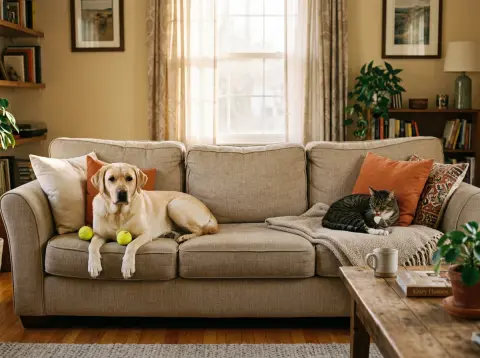
Dogs, by and large, require a significant time commitment. They thrive on interaction, training, and regular exercise. A typical adult dog needs at least two walks a day, and many dog breeds, especially those bred for work or sport, need much more than just a quick stroll around the block. Think about a Labrador Retriever or a Border Collie – they need mental stimulation and physical activity to stay happy and healthy. Without it, you might find your shoes chewed or your furniture rearranged, and trust me, I've learned this the hard way when my Lab ate an entire sock right off the laundry pile.
Training is another big part of dog ownership. Even if you adopt an older dog, there's always something to work on, whether it's leash manners or reinforcing house training. Consistent positive reinforcement training creates a well-adjusted dog and strengthens your bond. Dogs are social creatures, and they generally don't do well being left alone for long stretches day after day. If your job means you're out of the house for 10-12 hours, a dog might struggle unless you can arrange for dog walkers or doggy daycare.
Cats: The Independent Roommate
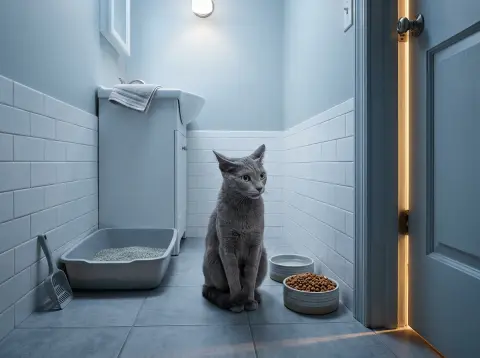
Cats are often considered lower maintenance, and in many ways, that's true. They don't typically need walks, they are instinctively litter-trained, and they can often entertain themselves with toys or a good window perch. This makes them an excellent choice for people with busier schedules, smaller living spaces, or those who travel occasionally (with a trusted pet sitter, of course).
However, "independent" doesn't mean "hands-off." Cats still need playtime, affection, and mental stimulation. Many cat breeds, like Siamese or Bengals, are quite social and vocal, demanding attention. Even a quiet domestic shorthair will appreciate interactive play with a feather wand or laser Pointer. They need clean litter boxes daily – a dirty box is a common reason for inappropriate elimination. And while they might not need daily walks, they still require regular veterinary check-ups and a healthy diet. A shelter volunteer once told me, "Cats are like potato chips – you can't have just one!" and there's a lot of truth to that. Sometimes, two cats are actually easier than one, as they can keep each other company.
Costs, Space, and Long-Term Care: The Practical Side
Bringing a pet into your life involves more than just affection; it's a financial and logistical commitment that lasts for many years. It's smart to consider these factors upfront.
Financials: Beyond the Adoption Fee
Many people are surprised by the ongoing costs of pet ownership. While adoption fees are relatively low, they cover essential services that save you money in the long run. Most local shelters include spaying or neutering, initial vaccinations (like core vaccines DHPP for dogs and FVRCP for cats, plus rabies), microchipping, and often a starter bag of food. Adoption fees typically range from $50 to $300, which is a fraction of what you'd pay a breeder, where costs can easily reach $3,500 for rare breeds – approximately ten times the cost of adopting.
Look at this breakdown of typical first-year expenses (after the adoption fee):
| Expense Category | Dogs (Average First Year) | Cats (Average First Year) |
|---|---|---|
| Food | $300 - $800 | $200 - $500 |
| Vet Care (check-ups, flea/tick, heartworm) | $300 - $600 | $200 - $400 |
| Toys and Treats | $100 - $300 | $50 - $200 |
| Training (classes, equipment) | $200 - $500 | $0 - $100 (less common) |
| Grooming | $50 - $500 (breed dependent) | $0 - $100 (long-haired breeds) |
| Litter (Cats only) | N/A | $200 - $400 |
| Miscellaneous (bed, bowls, carrier, leash) | $100 - $300 | $100 - $250 |
| Total Estimated First Year | $1,250 - $3,000+ | $750 - $2,000+ |
Keep in mind that these are just averages. Emergency vet visits, specialized diets, or unexpected health issues can significantly increase these figures. Pet insurance is something I always recommend looking into, especially for certain dog breeds prone to specific health issues.
Living Arrangements: Small Apartment or Big Yard?
Your living space is another critical consideration. Dogs, especially larger ones, generally need more room to move around. A backyard is a huge plus, but not a necessity if you're committed to daily walks and park visits. However, a high-energy dog in a tiny apartment without sufficient outdoor time can quickly become destructive or anxious. Some smaller dog breeds, like Chihuahuas or Miniature Poodles, can do quite well in apartments with regular exercise.
Cats, on the other hand, are often perfectly content in smaller apartments. They don't need a yard; they appreciate vertical space like cat trees, shelves, and window perches. As long as they have their food, water, litter box, and a place to scratch, most cats adapt well to indoor living in compact environments. The main concern here is making sure they have enough enrichment to prevent boredom, which can lead to behavioral problems.
Finding Your Match at the Shelter: My Best Advice
This is where my experience really comes into play. I've spent countless hours helping people find their perfect companion, and the key is patience and observation. Don't go to the shelter expecting to fall in love with the first animal you see. Instead, go with an open mind and a list of questions.
When you're at the shelter, take your time. Instead of immediately trying to play with every animal, sit quietly near the kennels or cat rooms and observe. Which animals seem calm? Which ones are curious but not overly demanding? For dogs for adoption, ask to take a dog out for a walk in a quieter area. Watch how they interact with you, how they respond to different sounds. For cats for adoption, spend time in the cat room, letting them approach you. Some cats will rub against your legs immediately, others might observe from a distance, which can indicate a more independent personality.
Always talk to the shelter staff. They know these animals best. Ask them about the animal's known history, if any, and their observed personality traits. Questions like, "How do they do with other animals?" "Do they have any known fears?" "Are they house-trained or litter-trained?" and "What's their energy level like?" are helpful. Many shelters like Puplister will have detailed notes from foster parents or volunteers. Don't be afraid to ask about specific needs or quirks; a good shelter wants you to succeed.
Here's the thing: shelter animals are not "damaged goods," a common misconception I hear. Many end up in shelters through no fault of their own - owner surrenders due to financial hardship, moving, or allergies. They often come spayed/neutered, vaccinated, and microchipped, saving you significant upfront costs and giving you a healthy start. The individual personalities vary wildly, and that's why spending time at the shelter is so important. You might discover that the quiet, overlooked cat in the corner has the sweetest purr you've ever heard, or that the boisterous dog who seemed overwhelming is just bursting with love and needs a patient hand.
Ultimately, whether a dog or cat fits your lifestyle better depends entirely on your honest assessment of what you can provide. Both species offer incredible companionship and unique joys. Take your time, do your research, and consider adopting from local shelters. You'll find an companion waiting for a second chance. Head over to our blog for more advice on pet care and adoption, or start browsing dogs for adoption and cats for adoption on Puplister today!