Dog Won't Eat After Adoption: What to Do
Bringing home a new dog is a joyful milestone, but what happens when your newly adopted dog refuses to eat? It's a common, and frankly, terrifying experience for new pet parents. Many adopters panic, thinking their dog is gravely ill or rejecting them. The good news is, in most cases, a temporary loss of appetite is a normal stress response. Your dog is likely overwhelmed by their new surroundings, and with a little patience and the right approach, they'll usually start eating within a day or two.
Why Isn't My Dog Eating After Adoption?
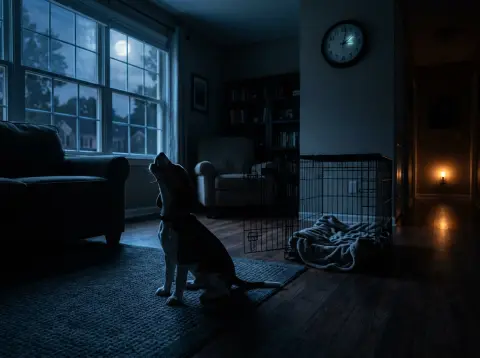
Most often, a newly adopted dog's reluctance to eat stems from stress. Think about it: they've just left a familiar, if not always ideal, environment like a shelter or foster home. They're now in a completely new place with new sights, sounds, smells, and people. It's a lot to process, and just like humans, stress can upset a dog's stomach and reduce their appetite. This is especially true for dogs coming from difficult situations, like hoarding cases or neglect, where their world has been upended.
Another factor is the significant change in routine. Shelters operate on a strict schedule, which might be very different from your home. Meal times, type of food, and even how the food is presented can all be new. I remember adopting my second dog, Buster, from a local shelter. He wouldn't touch his food for almost 36 hours. I was frantic! But a volunteer explained that he was used to eating in a kennel with other dogs around, and the quiet of my kitchen was actually unsettling him.
Sometimes, the food itself is the issue. If you've switched to a different brand or type of kibble than what the shelter fed, your dog might be hesitant. Their stomach might also be sensitive to a sudden dietary change. Veterinary behaviorists often point out that a dog's eating behavior is directly tied to their sense of safety and security. When that feeling is disrupted, eating can take a backseat.
The "3-3-3 Rule" and Appetite
You've probably heard of the "3-3-3 rule" for dog adoption, and it's a helpful guideline to set expectations. The first three days are often characterized by dogs feeling overwhelmed and shutting down, which includes appetite loss. Then, around three weeks, they start to settle in and show more of their personality. By three months, they usually feel completely at home. This isn't a hard and fast rule, but it helps explain why your dog might not be eating right away - they're still in that initial, high-stress "day one to three" period.
What to Do When Your Newly Adopted Dog Won't Eat
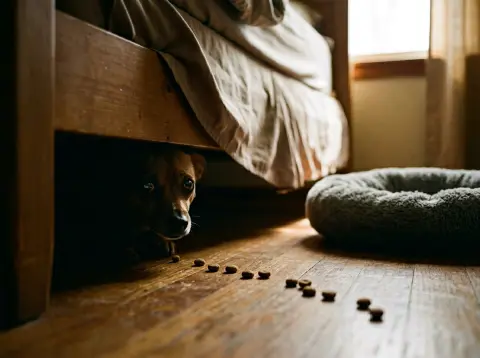
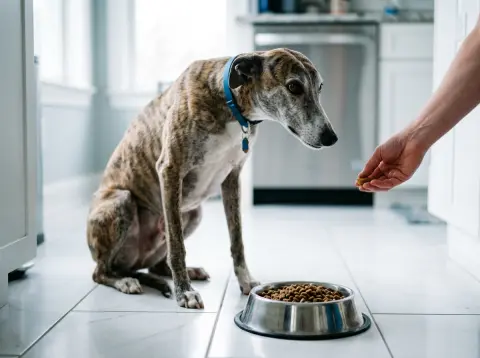
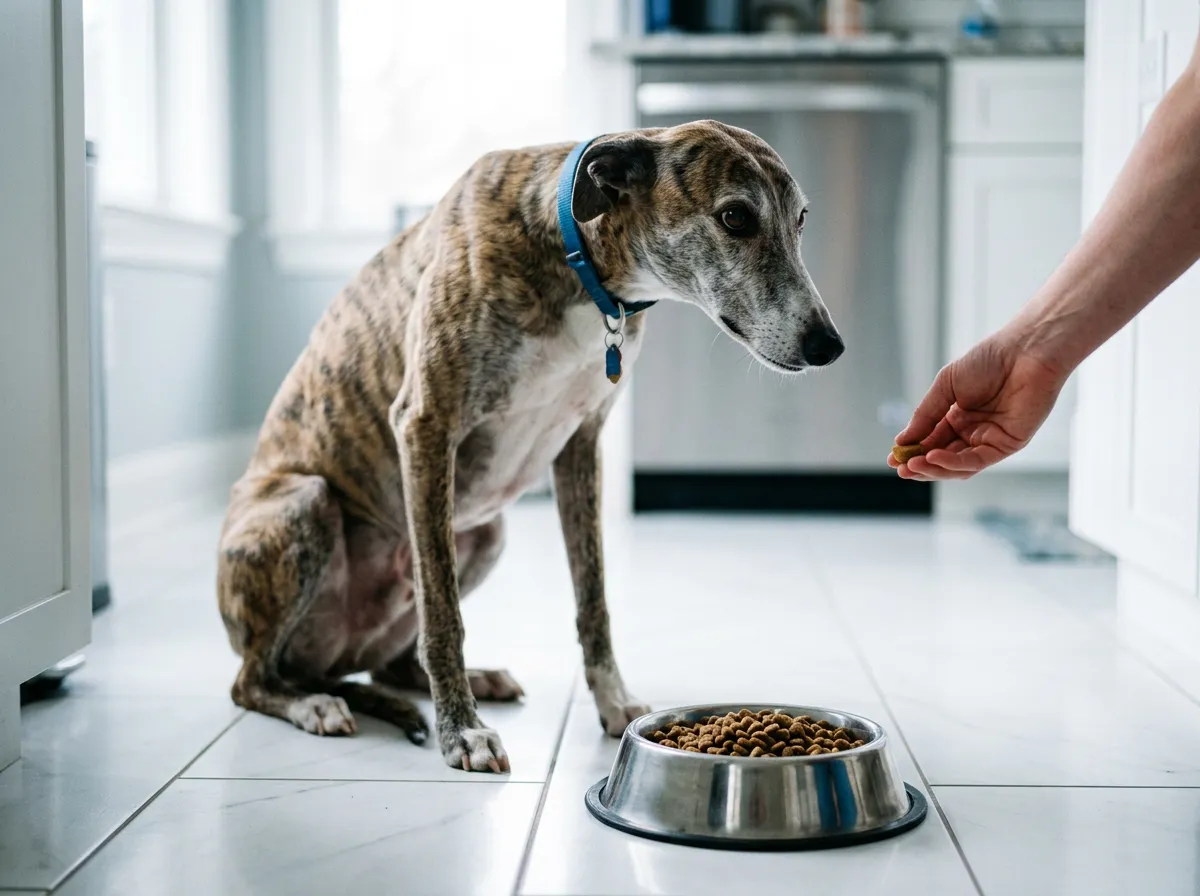
When your dog isn't eating, your first instinct might be to try everything under the sun, but often, less is more. The goal is to make eating a calm, positive experience, not a stressful one. Start by ensuring they have a quiet, safe space to eat without interruptions. Placing their bowl in a high-traffic area can be too much for an anxious dog.
Stick to the Familiar (Initially)
Offer the same food the shelter or foster home provided. If you don't know what they were eating, call the shelter. Many will give you a small bag of their current food or tell you the brand. If you plan to switch foods, do it gradually over 7-10 days once they're consistently eating. Mix a small amount of the new food with the old, slowly increasing the new food's proportion.
Consider offering food at predictable times. A routine helps build security. Give them about 15-20 minutes to eat, then pick up the bowl, even if it's untouched. This teaches them that food is available at certain times, not constantly. Don't leave food out all day, as this can lead to picky eating habits and makes it harder to monitor their intake.
Make Food More Appealing
Sometimes, a little enticement is all it takes. Try adding a small amount of warm water or low-sodium chicken or beef broth to their kibble. The warmth can release the food's aroma, making it more inviting. A small dollop of plain canned pumpkin (not pie filling!) or a spoonful of plain, non-fat yogurt can also tempt picky eaters and provide a bit of digestive support. Just remember, additions to a dog's food should not exceed 10% of their total daily calories to maintain a balanced diet.
For extremely stressed dogs, a shelter volunteer once told me their "secret weapon" was often plain, boiled chicken breast, shredded, or a bit of wet dog food mixed in. It's high value and very palatable. I've used this many times with my foster dogs, and it often works wonders. Just be sure to offer small amounts to avoid upsetting their stomach.
Addressing Potential Food Guarding
Look, dealing with a dog who isn't eating is tough enough, but sometimes, their past experiences can lead to unexpected behaviors, like food guarding. This is when a dog becomes possessive of their food, growling or snapping if you approach while they're eating. It's often a survival instinct from a past where food was scarce or they had to compete for it. It's a real concern, and it's something you need to handle carefully to build trust, not break it.
Here's the thing: never punish a dog for guarding food. It will only make the behavior worse and erode their trust in you. Instead, create an environment where they feel safe with their food. Start by feeding them in a quiet, low-traffic area where they won't be disturbed by people or other pets.
Try the "trade and treat" method. As your dog eats, approach slowly and toss a high-value treat (like a small piece of cheese or chicken) near their bowl, then walk away. Do this repeatedly. The goal is for them to associate your approach with good things, not threats. Eventually, they might even look up expectantly when you come near. This takes time and patience, but it's crucial for their long-term well-being and your safety. If the guarding is severe, please consult a professional dog trainer or veterinary behaviorist.
When to Call the Vet
While some appetite loss is normal, there's a point where it becomes a serious concern. If your dog refuses to eat for more than 24-48 hours, it's time to call your veterinarian. This is especially true if they are also showing other symptoms. Dehydration is a more urgent concern than not eating, so if your dog stops drinking water for over 24 hours, contact your vet immediately.
Here are some red flags that warrant an immediate vet visit:
- Vomiting or diarrhea
- Lethargy or extreme tiredness
- Pale gums
- Difficulty breathing
- Swollen abdomen
- Any signs of pain or discomfort
- Not drinking water
Remember, you're the best advocate for your dog. Trust your gut. If something feels off, even if you can't put your finger on it, a quick call to your vet for advice is always a good idea. They can rule out any underlying medical issues that might be contributing to the appetite loss.
Supporting Yourself Through the Adjustment
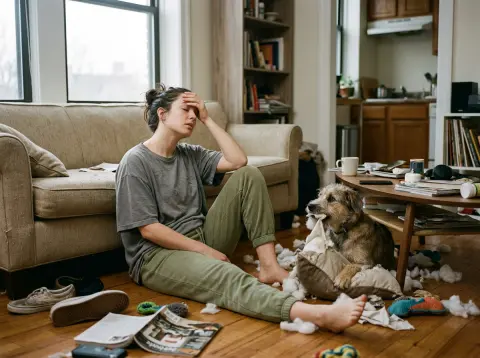
It’s easy to get consumed by worry when your new dog isn’t eating. I've been there, staring at an untouched food bowl, feeling like I've failed. But please, give yourself some grace. This is a stressful time for both of you. It's normal to feel anxious, frustrated, or even a little heartbroken.
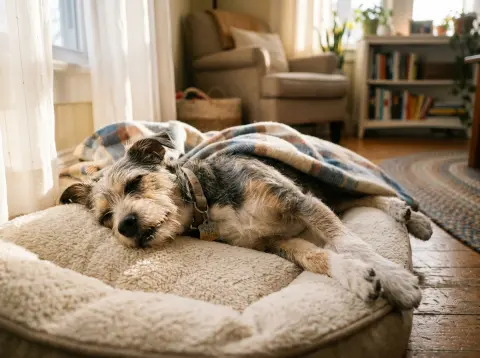
Understand that you haven't done anything wrong. Your dog is simply adjusting to a massive life change. Focus on providing a calm, predictable environment and following the steps outlined above. Take breaks when you need them. Go for a walk, talk to a supportive friend, or read something unrelated to pet care for a bit. The bond with your new dog will grow, but it takes time, patience, and realistic expectations. You are doing a wonderful job, even when it doesn't feel like it.
The most important thing you can do right now for your newly adopted dog who won't eat is to create a predictable and calm feeding routine, offering familiar food with simple enticements, and closely monitoring for any other symptoms.