Dogs for Autistic Adults: Breeds and Programs
Finding the right canine companion can be a wonderfully rewarding experience for autistic adults. While service dogs are often discussed for their task-specific abilities, a well-matched pet dog, particularly one adopted from a shelter, can offer immense emotional support, companionship, and a calming presence. The key is to look beyond specific dog breeds and focus on individual temperament, taking into account the unique needs and sensory considerations of an autistic adult.
Understanding Different Canine Roles: Service, Therapy, and Companionship
There are distinct differences between service dogs, therapy dogs, and emotional support animals, and understanding these roles is the first step in deciding what type of dog might be best for you. Each offers varying levels of support and requires different commitments, particularly concerning training and public access rights.
Service Dogs: These animals are individually trained to perform specific tasks directly related to a person's disability. For autistic adults, this might include interrupting repetitive behaviors, providing deep pressure therapy during meltdowns, or guiding their handler. Service dogs have public access rights under the Americans with Disabilities Act (ADA). The path to acquiring a service dog is usually through specialized programs, like those accredited by Assistance Dogs International (ADI). The average cost for a service dog can be around $15,900, and waiting lists often extend to 18-24 months. They require constant, rigorous training and are working animals first and foremost.
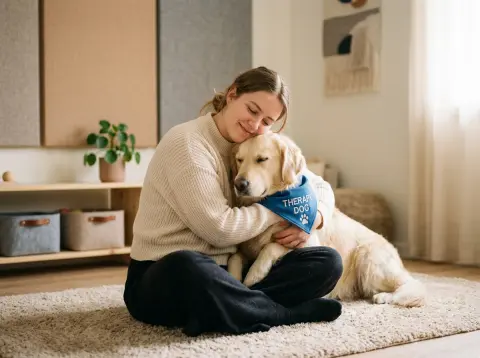
Therapy Dogs: These dogs provide comfort and affection to many people in various settings, such as hospitals, schools, or nursing homes. They are personal pets with excellent temperaments, and their handlers volunteer with them. Therapy dogs do not have public access rights beyond the specific facilities where they volunteer, and they do not perform specific tasks for a single individual's disability.
Emotional Support Animals (ESAs): An ESA provides comfort and emotional support simply by being present. They do not require specialized training to perform specific tasks, and their role is primarily companionship. While an ESA can be invaluable for reducing anxiety and providing a sense of security, they have limited public access rights, generally only in housing and on flights (though airline rules vary). For many autistic adults seeking a constant, calming presence, a well-chosen ESA or simply a beloved pet can offer significant benefits without the intensive training and restrictions of a service dog.
Beyond the Breed: Finding Your Perfect Match in a Rescue Dog
When considering dogs for autistic adults, the individual personality and temperament of the dog are far more important than its dog breed. While some breeds are often recommended for their calm nature and trainability, I've seen countless shelter dogs of mixed heritage prove to be exceptional companions and provide incredible support.
Certainly, you'll often hear about breeds like Golden Retrievers, Labrador Retrievers, and Poodles (or mixes like Labradoodles) being ideal choices. These breeds are generally known for their intelligence, patience, and eagerness to please, making them good candidates for training. They often possess a stable temperament that can be comforting. However, limiting your search to these breeds might mean missing out on a wonderful companion waiting in a local shelter.
From my eight years volunteering in shelters, I know that every dog is an individual. I once watched a quiet, scruffy terrier mix, initially overlooked, become the most patient and intuitive companion for a young man with sensory sensitivities. He wasn't a "typical" service dog breed, but he was exactly what that family needed. Their bond was immediate and genuine.
How to Assess Temperament in a Shelter Environment
Assessing a dog's temperament in a shelter can feel overwhelming, but it's crucial. Take your time. Observe how the dog interacts with shelter staff and other dogs if possible. Look for a dog that seems calm, curious, and gentle. A dog that is overly boisterous might be too much for someone with sensory sensitivities, and an extremely shy dog might need more patience than you can initially offer.
Ask specific, direct questions to the shelter staff. They know their dogs best. "How does this dog react to loud noises or sudden movements?" "What is its energy level like after a good walk?" "Has it shown any signs of anxiety in new situations?" Request to spend time with the dog in a quiet room, away from the kennel noise. This allows both of you to relax and interact more naturally. Bring a favorite soft toy or treat to see how the dog responds. Pay attention to body language – a relaxed tail wag, soft eyes, and a loose posture are good signs.
Adopting Your Canine Companion: A Shelter Guide for Autistic Adults
Adopting a dog from a shelter or rescue organization is a fantastic way to find a suitable companion, and it gives a deserving animal a second chance. Many dogs for adoption are already past the challenging puppy stage and their personalities are well-established, which can be a huge benefit for autistic adults seeking predictability.
The adoption process typically involves an application, which asks about your living situation, pet experience, and lifestyle. Most shelters require references and might conduct a home visit to ensure your home environment is safe and suitable for a dog. This isn't meant to be intrusive; it's about making the best match for both you and the dog. Be honest and open with shelter staff about your specific needs as an autistic adult, including any sensory considerations or routine preferences. This transparency helps them guide you to the right dog.
Understanding the financial commitment is also important. Adoption fees generally range from $50-300, which usually covers spay/neuter, initial vaccinations like DHPP and rabies, and microchipping. Beyond that, prepare for ongoing costs.
| Item | Estimated Cost |
|---|---|
| Adoption Fee | $50 - $300 |
| First Vet Exam and Core Vaccines | $100 - $300 |
| Collar, Leash, ID Tag | $20 - $50 |
| Food Bowls | $10 - $30 |
| First Bag of Quality Dog Food | $30 - $80 |
| Crate (optional, but good for quiet space) | $50 - $150 |
| Toys and Chews | $20 - $50 |
| Monthly Food (ongoing) | $30 - $80 |
| Annual Vet Check-up | $150 - $300 |
My best advice is to be patient. It might take several visits to different shelters or rescue groups to find the dog that connects with you. Don't feel pressured to make a quick decision. The right dog will make the waiting worthwhile.
Creating a Calm Home: Preparing for a Rescue Dog as an Autistic Adult
Preparing your home and routine before bringing home a rescue dog is crucial for a smooth transition, especially for autistic adults who may have specific sensory sensitivities or a strong need for routine. Thoughtful preparation benefits both you and your new companion.
Consider the sensory aspects of dog ownership. Dogs bark; some breeds or individuals bark more than others. If you are particularly sensitive to noise, discuss this with shelter staff. They might suggest an older, quieter dog, or a dog known to be less vocal. Establish a designated quiet space for your dog, such as a crate in a low-traffic room, which can also serve as your own quiet zone when needed. Grooming and petting are also tactile experiences. Introduce these slowly and positively. Some dogs love to be touched, others prefer less physical interaction. Respect your dog's preferences, and teach them to respect yours.
Dogs thrive on routine, which can be beneficial for autistic adults who also find comfort and predictability in consistent schedules. Establish a consistent feeding, walking, and potty schedule from the very first day. This predictability helps your dog settle in faster and reduces anxiety for both of you. For example, my rescue cat, a formerly feral tabby, became much calmer once she knew exactly when her meals would appear. Dogs are much the same.
Checklist for Home Preparation:
- Designate a quiet "safe space" for your dog (a crate or a cozy bed in a calm room).
- Purchase all necessary supplies: food, bowls, leash, collar, ID tag, and a variety of toys.
- "Dog-proof" your home by securing hazardous items, picking up small objects, and ensuring pathways are clear.
- Establish a consistent daily schedule for feeding, potty breaks, walks, and playtime.
- Research local positive reinforcement trainers if you anticipate needing help with basic obedience or specific behaviors.
The initial weeks with a new dog are a period of adjustment. Keep interactions calm and predictable. Allow your dog to explore its new surroundings at its own pace. Gradually introduce new people or environments. Remember, studies show dog-assisted therapy can reduce stress, agoraphobia, and depression in both children and adults with autism. A well-matched companion dog can offer similar benefits in your home.
Your journey to finding a wonderful canine companion, whether a service dog or a loving pet, can begin today. Start by exploring dogs for adoption on our platform or visiting local shelters to meet potential matches. Every dog has a unique personality, and the perfect one for you is out there, waiting to bring joy and stability to your life.