Dogs for Veterans With PTSD: Adoption and Training
Many veterans find solace and stability with a canine companion, especially those managing PTSD. While established service dog programs do incredible work, offering specially trained animals often free of charge, they aren't the only path. You can find a wonderful dog at a local shelter and train them yourself or with a private trainer to provide the specific support you need for living with PTSD.
Why Dogs Make a Difference for Veterans with PTSD
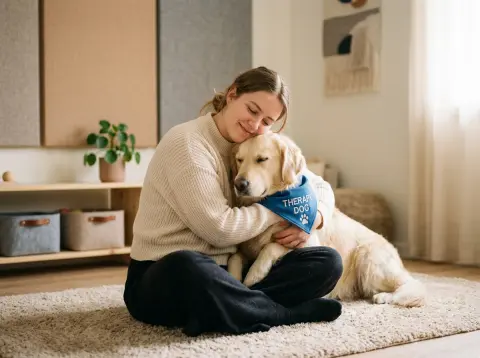
Connecting with a dog provides unique therapeutic benefits for veterans living with PTSD, and it's a path I've seen bring immense comfort. Dogs offer unconditional love, a sense of routine, and a constant, non-judgmental presence. They can help reduce anxiety, interrupt panic attacks, and provide a sense of security, which is important for those experiencing hypervigilance.
Research consistently shows that interaction with animals can lower stress hormones and increase oxytocin, the "bonding" hormone. This isn't just a feeling; it's a physiological response that helps calm the nervous system. For many veterans, the simple act of caring for a dog creates purpose and responsibility, helping to combat feelings of isolation.
Consider the stark reality: approximately 17 veterans die by suicide every day. While a dog isn't a cure, the companionship and grounding presence of a loyal animal can be a critical part of a veteran's support system. I've personally witnessed how a calm dog can bring a palpable sense of peace to someone who felt lost or overwhelmed.
Finding Your Partner: What to Look for in a Shelter Dog for PTSD Support
Picking the right dog from a shelter is perhaps the most crucial step if you're pursuing an independent training route. It's not about finding the prettiest dog or the one that jumps on you first. The key here is temperament, not breed. Many excellent support dogs come from mixed backgrounds.
Ideal Temperament Traits
Searching for specific personality traits will serve you much better than focusing on a particular breed. Look for dogs that are naturally calm and observant. They shouldn't be easily startled by sudden noises or movements, and they should recover quickly if something does surprise them.
A good candidate will also show a willingness to please and a desire to connect with people. This "biddability" indicates they'll be more receptive to training. Watch for dogs that settle down after a few minutes of excitement, rather than those who remain constantly agitated or overly energetic.
Furthermore, resilience is a must. A dog that can shake off minor stressors and remain focused will be much better equipped for the demands of public access and specific tasks. Avoid dogs with a very high prey drive, as this can be a distraction and a safety concern in public settings. They should be affectionate but not overly clingy, capable of independent calm.
Evaluating a Shelter Dog
Spend quality time with any dog you're considering. Multiple visits, if the shelter allows, are ideal. Observe how the dog interacts with different people, sounds, and even other dogs if possible. Does it seem comfortable in various situations? Does it seek out gentle attention, or does it shy away?
Always speak extensively with the shelter staff. They know these dogs best - their histories, their quirks, and how they react in different situations. Ask about any known anxieties, house-training status, and how they handle new environments. A shelter volunteer once told me, "The dog that quietly watches you from their kennel, then calmly approaches for a gentle sniff, often has the best potential for focused work."
Remember, your goal is a stable, confident, and trainable companion. You're looking for a partner who can handle the world alongside you, not one who adds to your stress. Many dog breeds are known for good temperaments, but a mixed breed with the right disposition is just as capable, if not more so, of becoming an excellent PTSD support dog.
Training Your PTSD Support Dog: Independent Paths
Once you've found a suitable dog, the training begins. This isn't a quick process, but it's rewarding. Training a dog to be a PTSD support animal means teaching them specific tasks that mitigate your disability, in addition to excellent public manners.
Understanding Service Dog Requirements
Legally, a service dog must be individually trained to do work or perform tasks for a person with a disability. These tasks must be directly related to the person's disability. For PTSD, tasks might include waking you from a nightmare, providing deep pressure therapy during an anxiety attack, or creating a physical barrier in public to provide personal space. They must also be impeccably behaved in public, passing a public access test.
The thing is, many people assume you need to go through one of the large, well-known organizations. While those programs are fantastic, they often have wait times stretching from 18 months to three years. For some veterans, that simply isn't an option. Training your own dog, or working with a private trainer, offers a faster, more personalized alternative.
Option 1: Self-Training with Resources
Self-training is a viable path if you have the dedication and patience. Start with foundational obedience: sit, stay, come, heel, and a solid "leave it." Use positive reinforcement methods exclusively - rewards-based training builds trust and confidence. There are countless books, online courses, and YouTube channels (like Kikopup) that offer excellent guidance.
Next, focus on the specific tasks you need. If you need nightmare interruption, practice waking the dog, then having them gently nudge or paw you. For deep pressure therapy, teach them to lie across your lap or chest on command. Consistency is key. I once tried to teach my rescue terrier to 'fetch' my keys. It took months of repetition, but the consistency eventually paid off. Imagine that same dedication applied to a task that directly helps you.
Option 2: Working with a Private Trainer
If self-training feels too daunting, or you want professional guidance, hiring a private trainer specializing in service dog work is an excellent choice. Look for trainers who use positive, force-free methods and who have experience specifically with psychiatric service dogs. Interview several trainers, ask for references, and watch them work with other dogs.
This option provides structure and expertise, helping you navigate the complexities of task training and public access. A good trainer will guide you through the process, helping you teach your dog the necessary skills and ensuring you both pass any required public access tests. They can also help you troubleshoot any behavioral challenges that arise.
The Real Investment: Costs and Long-Term Commitment
Choosing to adopt and train your own PTSD support dog requires a significant investment of time, energy, and money, even if it's less than buying a fully trained service dog. It's important to understand the financial reality upfront.
Upfront Costs
Adoption fees from shelters typically range from $50 to $300, often including initial vaccinations, microchipping, and spay/neuter surgery. Your first vet visit will likely cost $100-300 for a check-up, any remaining vaccines, and possibly deworming. You'll also need basic training equipment: a good leash and harness, a crate, and plenty of high-value treats, which can run another $50-200.
If you opt for a private trainer, expect to pay anywhere from $100 to $250 per hour, or you might find package deals for multiple sessions. This can add up quickly, so budget carefully. Even with self-training, investing in online courses or books will have a cost.
Ongoing Monthly and Annual Costs
The financial commitment doesn't stop after adoption and initial training. You'll have monthly expenses for quality dog food, typically $30-80 depending on the dog's size and diet. Flea, tick, and heartworm preventatives are crucial and cost around $20-50 per month. Annual vet check-ups can range from $150-300, and you must budget for unexpected emergency vet visits, which can be thousands. Many owners consider pet insurance to help with these unforeseen costs.
Don't forget toys, treats, and occasional grooming, which could add another $20-50 monthly. Beyond money, you're committing to 10-15 years of care for your dogs for adoption. This is a family member who will rely on you completely. By choosing this path, you're not only finding a partner for your PTSD journey but also giving a home to one of the roughly 920,000 shelter animals euthanized each year. It's a powerful decision that saves a life and transforms yours.