First Year Cat Costs After Adoption (Full Budget)
$1,000 to $3,500 is the typical range for first-year cat costs after adoption, depending on various factors like your location, your cat's health, and the brands you choose. Bringing a new feline into your home is an exciting time, filled with purrs and playful pounces. However, it also comes with financial responsibilities. Understanding these expenses upfront helps ensure you're ready to provide a happy, healthy life for your new companion without any nasty surprises.
Beyond the Bill: What Your Cat Adoption Fee Really Covers (and Initial Set-Up)
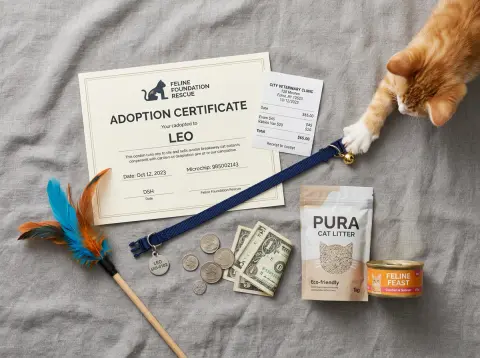
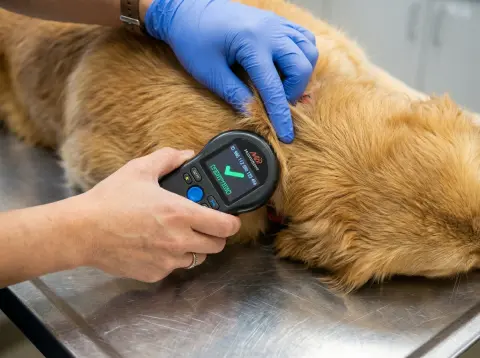
Your cat adoption fee covers a significant portion of initial medical care, providing a valuable head start on your new pet's health and setting you up for success from day one. When you adopt from a reputable shelter or rescue, you aren't just paying for the cat itself; you are investing in a package of services that would cost far more if sought independently. Most local shelters include essential procedures like spaying or neutering, initial core vaccinations (like FVRCP and rabies), microchipping, and often a preliminary deworming or flea treatment.
For example, when I adopted my Domestic Shorthair, Luna, from the Seattle Humane Society in 2018 for $125, that fee covered her spay surgery, microchip, her first FVRCP vaccine, and an initial FeLV/FIV test. Honestly, if I had to pay for all those services at a private veterinary clinic, I would have spent closer to $600. That's a huge saving, and it means your money directly supports the shelter's mission, too.
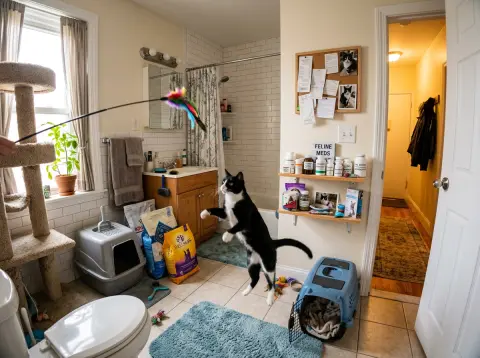
Beyond the adoption fee, you'll need to purchase some initial supplies to prepare your home. These are one-time costs that ensure your cat feels secure and comfortable in their new environment.
- Litter Box and Litter: Choose a spacious box and a good quality litter.
- Food and Water Bowls: Stainless steel or ceramic are often recommended for hygiene.
- Cat Carrier: Essential for safe transport to and from the vet.
- Scratching Post or Pad: Crucial for natural claw maintenance and protecting your furniture.
- Cat Bed: A soft, cozy spot for them to rest.
- Toys: A variety of toys for mental and physical stimulation.
Here's a breakdown of common initial expenses you can expect:
| Item | Estimated Cost Range (First Year) | Notes |
|---|---|---|
| Adoption Fee | $0 - $250 | Often includes spay/neuter, microchip, initial vaccines. |
| Cat Carrier | $25 - $70 | Essential for vet visits and safe travel. |
| Litter Box & Scoop | $20 - $50 | Consider covered or self-cleaning options for more. |
| Food & Water Bowls | $15 - $40 | Stainless steel or ceramic are durable and hygienic. |
| Scratching Post/Tree | $30 - $150 | A taller, sturdy option saves your furniture long-term. |
| Cat Bed | $20 - $60 | Provides a designated safe space. |
| Initial Toys (Assorted) | $15 - $50 | Wand toys, crinkle balls, puzzle feeders. |
| First Vet Check-up (if not included) | $50 - $150 | Follow-up on shelter care, establish a vet relationship. |
Ongoing Expenses: Budgeting for Your Cat's First Year
Recurring costs for your cat's first year will include food, litter, routine veterinary care, and preventative medications, forming the bulk of your annual budget. These are the expenses you'll factor into your monthly spending, and they can vary significantly based on your cat's specific needs, your brand preferences, and your geographic location. Prioritizing quality here can prevent more expensive health issues down the line.
The biggest ongoing cost for most cat owners is food. A good quality wet and dry food diet for an adult cat might run you anywhere from $30 to $80 per month, or $360 to $960 annually. Kittens, with their rapid growth, sometimes need specialized food, which can be a bit pricier. Treats are also a factor, adding another $5-15 monthly.
Litter is another non-negotiable expense. Expect to spend $15 to $40 monthly on litter, depending on the brand and type (clumping clay, silica gel, natural options). While some people try to save money on cheaper litter, I honestly find it's a false economy. Low-quality litter means more odor, more frequent changes, and sometimes even your cat refusing to use the box - which leads to bigger problems.
Routine veterinary care remains crucial even after the initial adoption period. Your cat will need an annual check-up, booster vaccinations (if applicable), and parasite prevention (flea, tick, and heartworm medication). These annual visits can range from $100 to $300, and preventatives often add another $15-30 monthly. Dental cleanings, if recommended by your vet, can be a significant expense, often $300-700, and sometimes they are needed in the first year, especially for older adopted cat breeds.
Look, I've heard the advice about pet insurance a million times, and frankly, I think it's often oversold as a universal solution. For many healthy, young adopted cats, you might be better off putting that $20-50 monthly premium into a dedicated high-yield savings account. I've seen too many people pay premiums for years, only to find their claim denied because of a pre-existing condition (even one they didn't know about) or a specific exclusion in the fine print. It's a gamble, and while it can be a lifesaver for catastrophic events, for routine care and many common ailments, you're paying for peace of mind that might not actually cover what you expect.
Preparing for the Unexpected: Beyond the Money
Adopted cats can come with unique needs, requiring not only an emergency fund for potential health issues but also a significant investment of your time and emotional energy. While the financial aspects are important, the non-monetary "costs" of adoption are just as real and just as critical for a successful transition. Being prepared for these less tangible elements means a happier, more secure cat.
An emergency fund is crucial. Even the healthiest cat can develop an unexpected illness or injury. My Ragdoll mix, Jasper, developed a urinary tract infection within six months of adoption from the Portland Animal Welfare (PAW) shelter in 2021. The emergency vet bill was $480, which I had to pay out of pocket before my insurance kicked in. Having a dedicated savings account of at least $500-1,000 for these situations can prevent financial stress and allow you to make the best decisions for your cat's health. You can also look into organizations like the ASPCA that offer resources for emergency veterinary care.
Many adopted cats, especially adults, might have unknown health predispositions or behavioral quirks from their past. Budgeting for potential initial diagnostics, specialized diets, or even behavioral consultations with a certified cat behaviorist (which can cost $100-300 per session) is a smart move. Remember, shelters often provide invaluable post-adoption support. Don't hesitate to reach out to the organization you adopted from; they frequently offer low-cost clinic referrals, behavioral advice, or even free follow-up consultations. This support can save you money and stress in the long run.
The "cost" of time and love is, yet it's the most vital investment. Your new cat needs time to adjust, to bond with you, and to learn the rhythms of your home. This means consistent playtime, quiet cuddle sessions, and patience as they settle in. One of my shelter cats, a timid Siamese named Kiko, took nearly six months to settle in after I adopted her from the San Diego Animal Center in 2019. It wasn't money, but consistent daily playtime and quiet bonding sessions that were the biggest "cost."
Providing a forever home is a profound commitment.
Start budgeting today for your future feline companion by exploring cats for adoption.