First Year Dog Costs After Adoption (Full Budget)
Bringing a new dog into your life is an incredible experience, full of slobbery kisses and endless joy. But let's be honest, those first twelve months can also come with a surprising price tag if you are not prepared. Many people focus only on the adoption fee, forgetting the significant ongoing and initial costs that make up the full budget for a dog for adoption. The good news is that adopting from a shelter actually saves you a substantial amount of money compared to buying from a breeder, especially in that critical first year.
The Adoption Advantage: Your First Big Savings
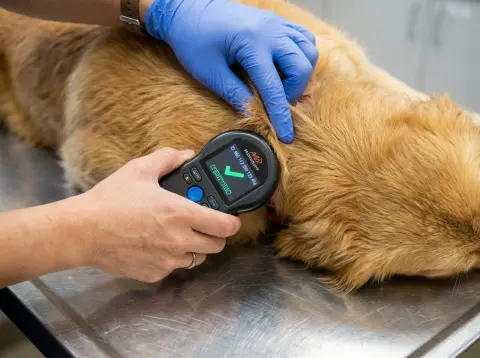
You might think the adoption fee is just a small barrier to entry, but it often covers services that would cost hundreds, if not thousands, of dollars at a private vet. Most local shelters include a health check, initial vaccinations, deworming, microchipping, and spay or neuter surgery in their adoption fees. This is a huge financial relief for new pet parents.
Consider this comparison of common veterinary services and their typical costs if you paid for them separately, versus what's often included in an average shelter adoption fee:
| Service | Typical Private Vet Cost (Range) | Included in Adoption Fee? |
|---|---|---|
| Adoption Fee (average) | $0 (N/A) | $50 - $300 |
| Spay or Neuter Surgery | $150 - $600 | Often Yes |
| Core Vaccinations (DHPP, Rabies) | $100 - $250 (multiple visits) | Often Yes |
| Microchipping and Registration | $40 - $80 | Often Yes |
| Deworming | $20 - $50 | Often Yes |
| Initial Health Exam | $50 - $150 | Often Yes |
| Potential Savings | $360 - $1130+ |
I have seen countless adopters express shock at how much they saved. A volunteer at my local shelter once told me that many people come back just to say thank you for including the spay surgery, which they hadn't budgeted for separately. Always ask your shelter exactly what their adoption fee covers. It's usually a fantastic deal.
Essential First-Year Supplies and Setup
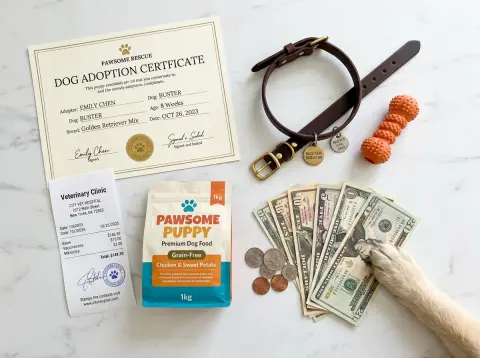
Once you bring your new dog breed home, you will need a few things right away to help them settle in comfortably and safely. These are the one-time purchases that set the stage for your life together.
- Crate or Dog Bed: A crate can be a safe haven for training and rest. Expect to spend $50 - $200 depending on size and quality. If you opt for just a bed, a good orthopedic one can be $40 - $150.
- Collar, Leash, and ID Tags: essential for safety. A sturdy collar and leash might cost $20 - $60. Get an ID tag with your contact information right away for $5 - $15.
- Food and Water Bowls: Stainless steel or ceramic are generally best for hygiene. Budget $15 - $50 for a good set.
- Toys: Chew toys, puzzle toys, and fetch toys are crucial for mental stimulation and preventing destructive chewing. Start with a few for $20 - $50.
- Grooming Tools: A brush, nail clippers, and dog-specific shampoo are good to have on hand. This could be $20 - $70.
- Cleaning Supplies: Accidents happen, especially with puppies or nervous adult rescues. Enzyme cleaners are your best friend, costing $10 - $30 per bottle.
These initial setup costs typically range from $200 to $800, depending on the size of your dog and your choices. My advice? Don't skimp on a good leash and collar, and invest in a quality crate if you plan to crate train. It makes a world of difference for everyone.
The Ongoing Investment: Food, Vet, and Prevention
Beyond the initial setup, you will have recurring monthly and annual costs. These are the expenses that add up over the year.
Food and Treats: This is highly variable based on your dog's size, age, activity level, and the quality of food you choose. A small dog might eat $20-$40 worth of food a month, while a large breed could easily consume $60-$100 or more. Treats add another $10-$30 monthly. Over a year, this can be $360 - $1500.
Routine Veterinary Care: Even after the initial shelter-provided care, your dog will need annual check-ups. These usually include a physical exam and potentially booster shots or specific blood tests. Expect to pay $100 - $300 for an annual wellness visit. For an older dog, these checks might be more frequent or include more tests, so factor that in if you adopt a senior. I have adopted two senior cats and three dogs, and the older ones always come with more predictable vet needs.
Parasite Prevention: Flea, tick, and heartworm prevention are non-negotiable for your dog's health and can cost $20 - $70 per month, depending on the product and your dog's size. Brands like Bravecto, Heartgard, or K9 Advantix are common. This adds up to $240 - $840 annually.
Licensing: Most municipalities require dog licensing, usually an annual fee of $10 - $50. This is a small cost, but it's often overlooked.
Training, Grooming, and Unexpected Expenses
These categories can fluctuate, but they are crucial for a well-adjusted dog and your peace of mind.
Training: Whether you adopt a puppy or an adult dog, some form of training is usually a good idea. Group puppy classes can run $100 - $300 for a multi-week session. Private training for specific behavioral issues (common with rescues who may have unknown histories) can be $50 - $150 per hour. Budget $50 - $600, or more if extensive behavioral help is needed. Some shelters offer discounted training for their adopters, so ask!
Grooming: If your dog has a long or curly coat, professional grooming might be necessary every 6-8 weeks, costing $40 - $100 per session. For short-haired dogs, you can often handle it at home with basic tools. This can be $0 - $600 annually.
Pet Insurance or Emergency Fund: Here's where I have a strong opinion. Many suggest pet insurance, which can be $25 - $135 per month. That's $300 - $1620 a year. My personal preference, after seeing many claims denied or only partially covered, is to build a dedicated emergency fund of at least $1,000 - $3,000. Keep this money in a separate, easily accessible savings account. When my Lab ate an entire sock, the emergency vet bill was over $1,500, and having that fund saved me a lot of stress. Pet insurance can be a good option for some, but I find the peace of mind of my own fund more practical.
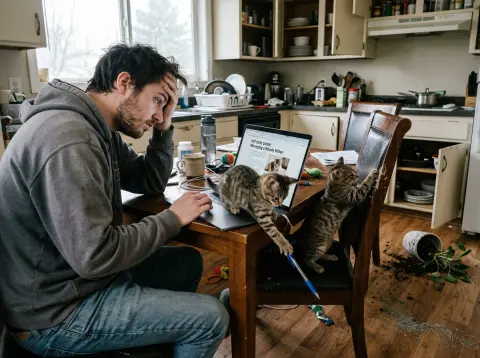
Miscellaneous: Dog walkers or pet sitters when you travel can be $20 - $50 per day. Repairing chewed furniture or replacing items destroyed in an accident also falls into this category. These are "unexpected" and hard to budget for specifically, but they happen.
Preparing for Your Dog's Future: Questions and Funds
The first year with your adopted dog, whether a playful puppy or a calm senior, will be a period of adjustment and discovery. It's a time when many of these initial costs are concentrated. The total estimated first-year cost for a dog, even after adoption savings, often falls between $1,500 and $4,500, with some estimates going up to $6,000 for larger dogs or those with special needs. This includes everything from the adoption fee to food, vet care, and supplies.
My best advice is to ask plenty of questions at the shelter. Here's a quick list:
- What specific veterinary services are included in the adoption fee?
- Does the dog have any known health issues or conditions that might require ongoing care?
- Are there any behavioral observations that might suggest a need for professional training?
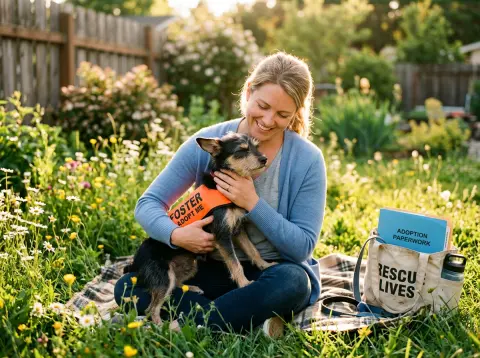
- Does the shelter offer any post-adoption support or discounted services (training, vet care)?
- Can you recommend local low-cost vet clinics or training resources?
Starting your journey with a clear understanding of the financial commitment allows you to focus on the joy of your new companion. Check out our blog for more tips. Open that separate savings account today, even if it's just with a small amount, and start building your dog's emergency fund. You will thank yourself later.