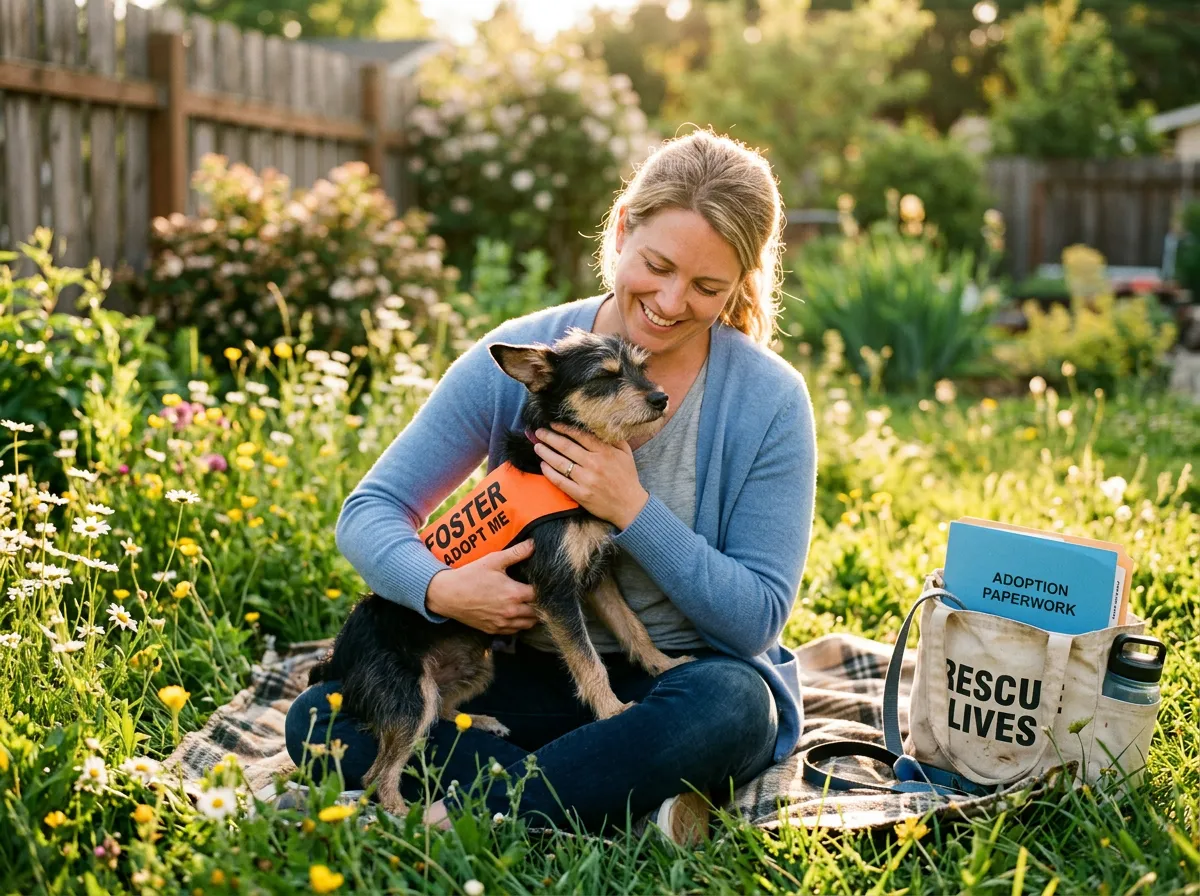
Foster to Adopt a Dog: How the Process Works
Considering bringing a new dog into your home but feeling a bit hesitant about the full commitment right away? A foster-to-adopt program might be exactly what you need. This unique approach allows you to welcome a dog into your life for a trial period, giving both you and the animal a chance to see if it's a good, lasting fit before making the adoption official. It’s a fantastic way to ensure everyone’s happiness and minimize the stress of a big life change.
What is Foster-to-Adopt, Exactly?
Foster-to-adopt is a structured program offered by many local shelters and rescues that bridges the gap between temporary fostering and permanent adoption. Unlike regular fostering, where you provide care for an animal until someone else adopts them, with foster-to-adopt, you enter the arrangement with the explicit intention of adopting the dog yourself if the trial period is successful. It’s a commitment to explore a future together, not just provide a temporary stopover.
This process offers significant advantages for both the dog and the potential adopter. For the dog, moving from a kennel environment directly into a home, even for a trial, reduces stress and allows their true personality to emerge. You’ll see how they behave outside the noise and confinement of a shelter, which is often a completely different animal. For you, it’s a low-pressure way to assess compatibility - you get to experience daily life with the dog, understand their routines, and address any initial challenges without the finality of an immediate adoption contract.
Many people confuse foster-to-adopt with standard fostering, but the core intention is different. Here’s a quick breakdown:
| Feature | Standard Fostering | Foster-to-Adopt |
|---|---|---|
| Intention | Temporary care until adoption by someone else | Trial period with the intent to adopt |
| Commitment | To shelter the animal temporarily | To assess long-term fit with the goal of adoption |
| Outcome | Dog returns to shelter or goes to new adopter | Dog ideally stays and is formally adopted by you |
| Screening | Generally less rigorous than adoption screening | Often includes full adoption application and home visit |
The Foster-to-Adopt Process: Step by Step
Understanding the typical steps involved can help you prepare for a foster-to-adopt journey. While each organization has its own specific rules, the general framework remains consistent across most reputable rescues and shelters.
Application and Vetting
First, you’ll start by filling out an adoption application, just as you would for a direct adoption. This form asks about your living situation, pet experience, schedule, and what you’re looking for in a dog. Be honest here - it helps the shelter match you with the right dogs for adoption.
Next, expect an interview, either by phone or in person. This is your chance to ask questions and for the shelter to get to know you better. They’ll want to understand your lifestyle and how a dog would fit into it. Many organizations also conduct a home visit to ensure your home environment is safe and suitable for a dog. They might check things like fence security if you have a yard, or ask about other pets and children in the home. I’ve seen countless home visits where the volunteer pointed out potential hazards owners never even considered.
The Trial Period: Decompression and Discovery
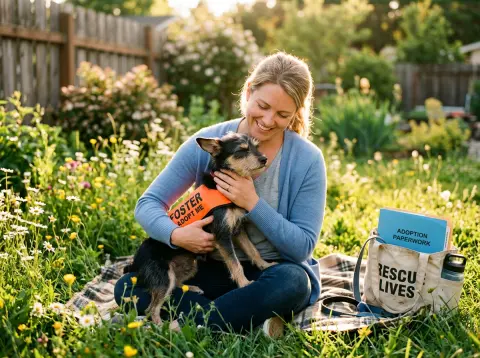
Once approved, you’ll typically sign a foster agreement, which outlines your responsibilities during the trial. This period usually lasts anywhere from 7 to 14 days, though some shelters might extend it for dogs with specific needs. My advice, and this is where I often disagree with some common advice, is to use this time for active integration, not just passive observation. You aren't just babysitting; you are laying the groundwork for a forever home.
During the first few days, your primary goal should be to help the dog decompress. This means providing a quiet, safe space - a crate, a spare room, or a designated corner with a comfy bed - where they can retreat. Limit new experiences and visitors initially. Just let them settle in. I remember fostering a timid Beagle mix once, and for the first three days, she barely left her crate. By day four, she was cautiously exploring, and by the end of the week, she was nudging my hand for pets. Patience is key.
Begin establishing a consistent routine for feeding, potty breaks, and playtime. This predictability helps a dog feel secure. Observe their behavior closely: how do they react to household noises, other pets, or different people? Are they comfortable being handled? Do they show any signs of anxiety or resource guarding? Most shelters will provide food, basic supplies, and medical care during this period. You should keep a journal of observations to share with the shelter staff.
Making it Work: Assessing Compatibility and Overcoming Hurdles
The trial period isn’t just about the dog getting used to you; it’s about you getting to know them and assessing genuine compatibility. This goes beyond "do I like them?" and moves into "can I realistically meet their needs for the next 10-15 years?"
Consider their energy level. Does it match yours? A high-energy dog breed like a young Labrador Retriever might need more exercise than you can consistently provide. Think about their temperament with children or other pets, if applicable. My own experience with adopting a shy rescue taught me that initial shyness doesn't mean a dog isn't affectionate; it just means they need time and a quiet environment to blossom. Don't mistake fear for aggression, but also don't ignore true behavioral red flags.
You’ll likely encounter some hurdles. Accidents in the house are common in the beginning, especially for dogs adjusting to a new schedule. Chewing, barking, or mild separation anxiety can also pop up. The important thing is how you respond and if you’re willing to work through these issues. Shelters often offer support and resources during this time, so don’t hesitate to ask for advice from the foster coordinator. They’ve seen it all and can offer practical solutions or connect you with trainers.
Here’s what most people get wrong: they expect a "perfect" dog from day one. Spoiler alert: there's no such thing. Every dog, especially a rescue, comes with a past and will need time, training, and patience to integrate. Your willingness to put in the work is a huge part of successful compatibility.
Beyond the Trial: Finalizing the Adoption
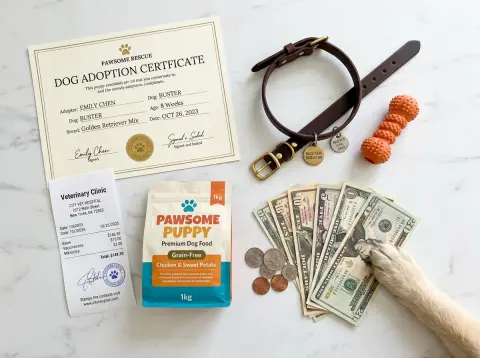
As the trial period draws to a close, you’ll have a decision to make. If you feel it’s a good match, you’ll notify the shelter, and they’ll guide you through the final adoption paperwork. This typically involves signing the official adoption contract and paying the adoption fee. These fees vary widely by organization and location, often ranging from $150 to $500, and they help cover the shelter's costs for spay/neuter, vaccinations (like DHPP and rabies), microchipping, and other medical care.
What changes legally when you adopt your foster? Simple: the dog officially becomes yours. You are now solely responsible for their care, medical needs, and well-being. The shelter’s support for medical costs typically ends, though some might offer discounted vet services or advice for a short period. You’ll receive their medical records and microchip information, which you should promptly update with your contact details.
Helping your dog understand this is their permanent home now is largely about consistency. Continue with the routines you established during the trial. Reinforce positive behaviors with rewards. Consider enrolling in an obedience class - it’s a great bonding experience and helps solidify their new family structure. This isn't just for the dog; it's for you, too. It builds confidence in your new role as an adopter and strengthens your relationship with your dog.
So, if you're thinking about welcoming a new dog into your family, consider the foster-to-adopt a dog path. It's a thoughtful, responsible way to bring a new family member home, ensuring a happy and successful transition for everyone involved. Ready to take the next step? Explore available dogs and learn more about foster programs on our blog.