How Long Until a Rescue Cat Feels at Home?
Bringing a rescue cat home is a rewarding experience, but the question on every new adopter's mind is always, "How long until a rescue cat feels at home?" The honest answer is that it varies widely, from a few days for some confident cats to several months for those who've had a rougher past, but a general framework can help you set expectations.
The "3-3-3 Rule" is a Guideline, Not a Guarantee
Many people starting their adoption journey hear about the "3-3-3 Rule," and it's a decent starting point for understanding how long it takes for a rescue cat to feel at home. This rule suggests that a cat will generally:
- 3 Days: Be overwhelmed, scared, and possibly hide.
- 3 Weeks: Start to settle, feel more comfortable, and show more personality.
- 3 Months: feel at home, trust you, and display their full, unique self.
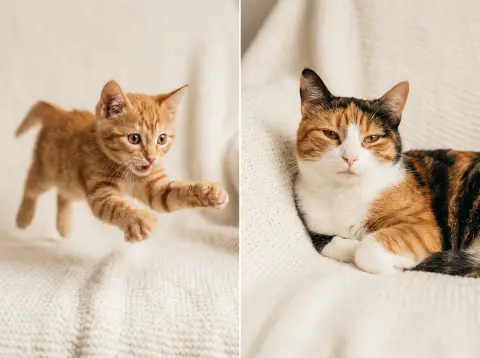
However, here's what most people get wrong: it's a guideline, not a strict timeline. My rescue cat, Luna, a beautiful calico I adopted from a local shelter two years ago, took closer to six months before she relaxed enough to sleep on the sofa with me. She was a stray for a long time, and that history meant she needed extra time to understand she was safe.
Every cat is an individual, shaped by their past experiences, genetics, and even their breed traits. A shy domestic shorthair might take longer than a confident Maine Coon mix, for example. Your job is to be patient and provide a consistent, loving environment.
First Few Days: The "Hide and Seek" Phase
During the initial 72 hours, expect your new cat to be overwhelmed and likely hide. This is completely normal and a sign they are processing their new surroundings in a safe way. Don't worry if they aren't immediately playful or affectionate; they need space and quiet.
Creating a Safe Haven
Establishing a small, secure base camp is the most important thing you can do for your new arrival. I always recommend a quiet room like a spare bedroom or even a large bathroom. This small space helps them feel less exposed and gives them a chance to acclimate without being overwhelmed by an entire house.
- Essentials: Provide a litter box, fresh water, and food in separate areas within this room.
- Hiding Spots: Include multiple hiding spots, such as a cardboard box on its side, a cat cave, or even just a blanket draped over a chair. Cats feel safest when they can observe without being seen.
- Comfort: A soft bed and a scratching post will help them feel more at home.
- Calming Aids: Consider a Feliway diffuser, which releases synthetic feline facial pheromones, to help reduce stress. I've seen these work wonders in shelters and my own home.
Limit visitors and loud noises during these first few days. Just quietly enter the room a few times a day to feed them, clean the litter box, and maybe just sit on the floor and read a book. Let them approach you on their terms. A shelter volunteer once told me, "Just be a quiet, non-threatening presence," and that advice always stuck with me.
What to Expect (and Not to Worry About)
It's normal for your cat to eat very little, hide under furniture, or even hiss if you get too close. These are all signs of a cat processing a big change. Some cats might not use the litter box perfectly at first due to stress, so be prepared for potential accidents.
Conversely, if your cat is lethargic, vomiting repeatedly, has persistent diarrhea, or shows no interest in food or water for more than 24 hours, contact your veterinarian. While stress is normal, illness is not, and it's always best to rule out medical issues first. Most shelters will have provided initial vaccinations and deworming, but a new environment can sometimes trigger issues.
Weeks 1-3: Peeking Out and Establishing Routine
By the three-week mark, most cats will have started to explore their initial safe room more confidently. You'll likely see them venture out from their hiding spots, eat more regularly, and perhaps even initiate some interaction. This is when their true personality begins to shine through, albeit in small bursts.
Building Trust, One Meal at a Time
Consistency is your best friend during this period. Stick to a regular feeding schedule and try to be the one who provides the food. This builds a positive association with you. You can even try interactive feeding toys, like a Kong Wobbler for cats, to make mealtime engaging.
Start introducing short, gentle play sessions with a wand toy. This allows your cat to interact with you from a distance, building confidence without direct physical contact. My rescue cat, Jasper, was a total play fiend and wouldn't cuddle for weeks, but he'd chase a feather wand for hours. That was our bonding time.
Remember not to force interaction. If your cat retreats, let them. Pushing them will only set back the trust-building process. Slow blinks are a great way to communicate non-aggression; try it, and see if they blink back!
Expanding Their Territory (Slowly)
Once your cat seems comfortable in their dedicated room, you can slowly begin to introduce them to the rest of your home. Open the door to their room and let them explore at their own pace. Keep initial excursions short and supervised, especially if you have other dogs or cats.
Introducing a new cat to existing pets needs a very gradual approach, often involving scent swapping first, then supervised visual introductions through a baby gate. The ASPCA has excellent resources on this process, emphasizing patience to avoid stress and conflict. It can take weeks, or even months, for animals to fully accept each other.
Months 1-3 and Beyond: True Home, True Self
Around the three-month mark, you should see a significant shift. Your cat will likely be comfortable navigating your home, seeking out your company, and displaying their full range of behaviors. This is when they accept their new environment as home and you as their family.
Understanding Their Unique Language
You'll start to recognize your cat's unique signals: the slow blink of affection, the high tail of happiness, the chirps for attention, or the specific meow that means "I want dinner now." They might start sleeping in open, vulnerable spots, a clear sign they feel safe and secure. They'll likely rub against your legs, knead on blankets (or you!), and purr contentedly.
It's a wonderful feeling when you see them completely relaxed, sprawled out in a sunbeam, or batting at a toy with abandon. This is the payoff for all your patience and effort.
When "Settling In" Becomes a Concern
While patience is key, there are times when a cat's adjustment period might indicate a deeper issue. If, after three months, your cat is still consistently hiding, showing aggression (hissing, swatting, biting) towards you or other pets, or consistently having litter box issues (outside the box), it's time to seek professional help.
First, always consult your veterinarian to rule out any underlying medical conditions that could be causing behavioral changes. If medically clear, a certified cat behaviorist can offer tailored strategies and help identify environmental factors or past traumas contributing to the cat's struggles. Sometimes, the issue isn't the cat, but something in the environment that needs adjusting.
The Adopter's Journey: Patience and Perspective
Honestly, waiting for a rescue cat to settle can be tough on adopters. It's easy to feel frustrated or worried if your new cat isn't immediately affectionate or seems to be taking a long time to adjust. I've been there. One of my rescue dogs took months longer than I expected to fully trust me, and there were days I felt like I was failing.
Remember that your cat has a past you might not know anything about. They could have experienced neglect, trauma, or simply the stress of shelter life. Your home is a brand new, potentially scary, world for them.
Celebrate the small victories: the first time they eat in front of you, the first purr, the first time they rub against your leg. These moments are signs of progress and building trust. The bond you build with a rescue cat, forged through patience and understanding, is one of the most rewarding connections you'll ever make. It's a testament to your compassion and their resilience.
For more tips on helping your new cat feel at home or to browse available cats for adoption, check out our blog.