How Much Does Cat Adoption Really Cost? Full Guide
Do you actually know what goes into the "free" cat you might find online, or even the low adoption fee at a local shelter? Many prospective cat parents focus solely on that initial number, thinking it's the biggest hurdle. The truth is, that upfront cost is often just the tip of the iceberg, and understanding the full financial picture before you adopt is crucial for everyone involved.
Adopting a cat involves a significant financial commitment, one that extends far beyond the day you bring them home.
What Does Cat Adoption Really Cost? An Initial Breakdown
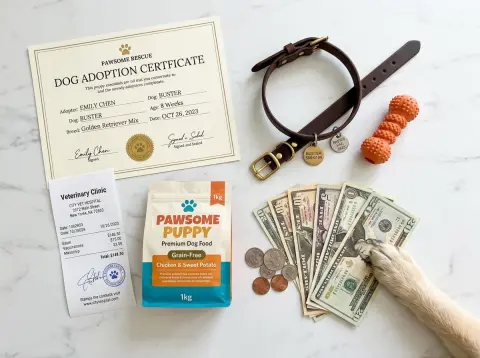
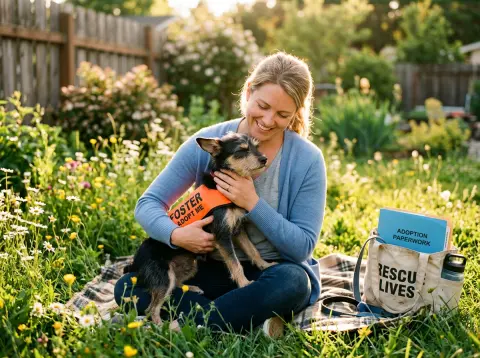
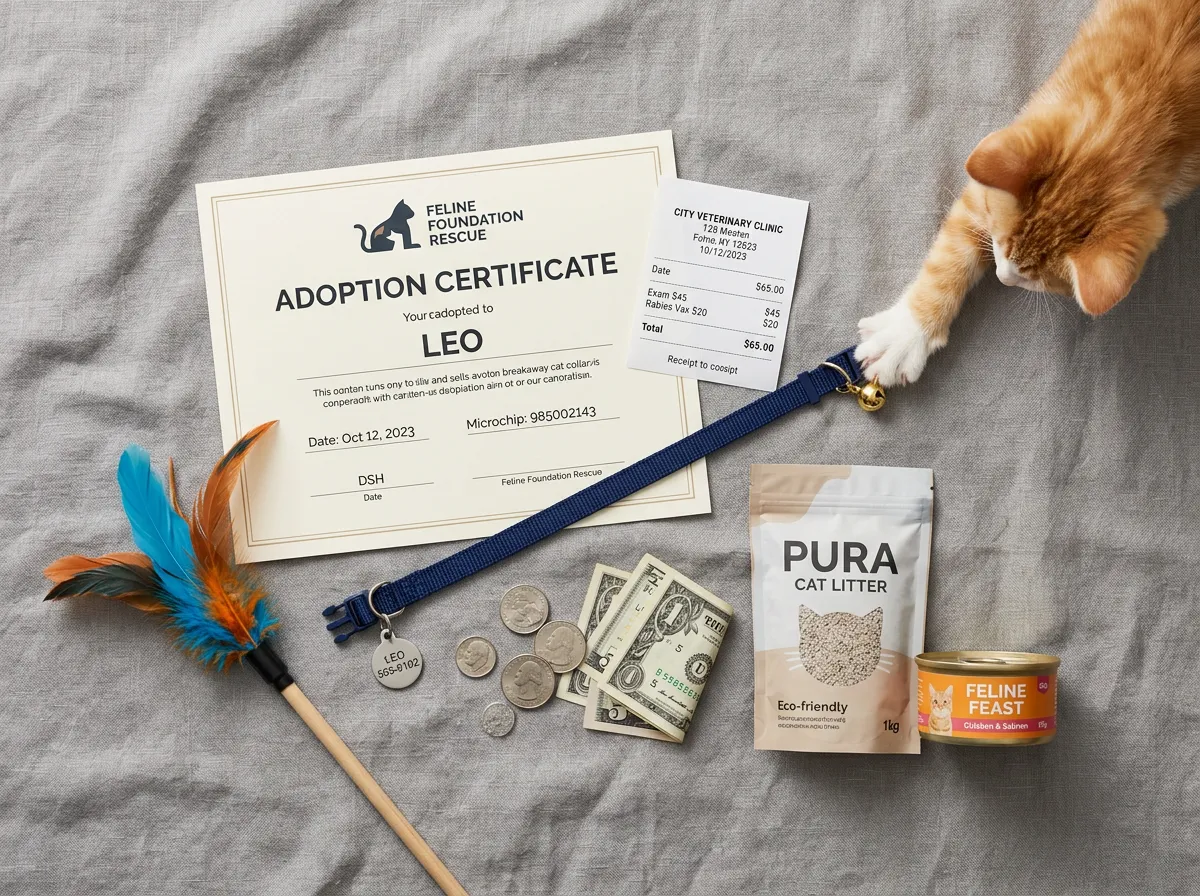
The initial cost of adopting a cat can vary widely, typically ranging from $0 to $400, depending on the cat's age, breed, and the specific rescue organization. This fee usually covers essential services that would cost far more if paid for separately, making adoption a remarkably economical choice compared to purchasing a cat from a breeder, which can easily run from $500 to $3,500 or even higher for some cat breeds. When I adopted my second cat, a sweet Calico named Clementine, from Austin Pets Alive! in Austin, Texas, about eight years ago, her fee was $125, and that included everything listed below.
Typical Adoption Fee Ranges
- Kittens (under 1 year): Often the highest, around $100-$270, due to high demand and the number of vet visits required for initial vaccinations.
- Adult Cats (1-7 years): Generally $50-$225, as they are less in demand than kittens but still have many years of life ahead.
- Senior Cats (8+ years): Frequently waived or very low, sometimes $0-$75, to encourage adoption of these often-overlooked animals.
The Shelter's Side of the Ledger: What Your Adoption Fee Funds
Your adoption fee is not merely a purchase price; it is a vital contribution that helps animal shelters and rescue groups provide life-saving care for countless animals. These organizations operate on thin margins, and every dollar helps cover the extensive medical, behavioral, and housing costs associated with preparing a cat for a new home. The average retail value of services included in an adoption fee, such as spay/neuter surgery, vaccinations, and microchipping, can easily exceed $700.
Many people don't realize the sheer amount of work and expense that goes into getting a cat ready for adoption. When I volunteered at the Arizona Humane Society in Phoenix for years, I saw firsthand how much medical intervention some cats needed before they were even ready to be seen by the public. We often had cats come in needing extensive dental work, hernia repairs, or treatment for chronic conditions like upper respiratory infections. Your adoption fee helps to offset these costs, ensuring the next cat gets the same chance.
Here's what your adoption fee typically includes, and what you should always confirm with the shelter:
- Spay/Neuter Surgery: This is almost always included and is crucial for population control and preventing certain health issues.
- Age-Appropriate Vaccinations: Core vaccines like rabies and FVRCP (Feline Viral Rhinotracheitis, Calicivirus, Panleukopenia) are standard.
- FeLV/FIV Testing: Testing for Feline Leukemia Virus and Feline Immunodeficiency Virus, which are serious and contagious conditions.
- Deworming and Flea/Tick Treatment: Initial parasite prevention.
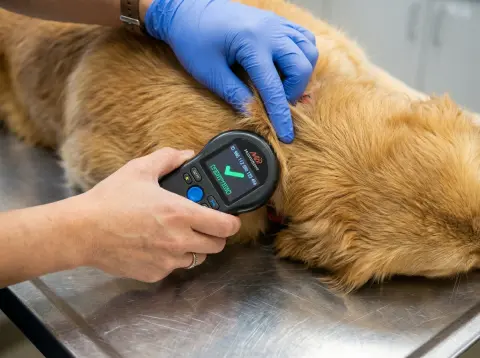
- Microchipping: Essential for identification if your cat ever gets lost.
- A General Health Exam: A vet's check-up to ensure the cat is healthy for adoption.
- Starter Food and Information: Often a small bag of the food they've been eating and important care instructions.
First Year Expenses: Beyond the Adoption Fee
The first year of cat ownership is almost always the most expensive due to initial setup costs and comprehensive vet visits. While the adoption fee is a one-time expense, you will need to equip your home and ensure your new family member is fully settled and healthy. Estimates for the first year of cat ownership can range from $765 to $2,715, depending on your choices and any unexpected medical needs.
Essential Initial Supplies
Before your cat even walks through the door, you'll need to have certain items ready. Neglecting these can cause stress for both of you.
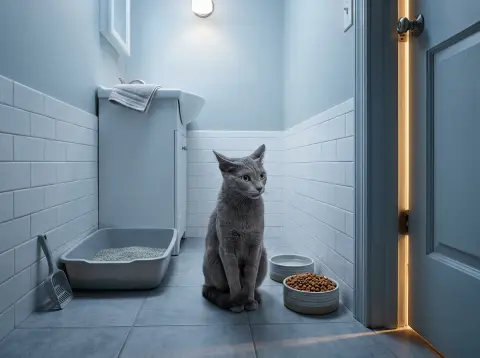
- Litter Box and Litter: A good sturdy litter box and a quality litter like Dr. Elsey's Precious Cat Litter. Budget $20-$50 for the box, and $20-$40/month for litter.
- Food and Water Bowls: Ceramic or stainless steel are recommended for hygiene. About $15-$40.
- Cat Carrier: Essential for vet visits and safe transport. A sturdy plastic one costs $30-$70.
- Scratching Posts/Pads: Protect your furniture! A tall post or horizontal pad, $20-$60.
- Cat Bed: While many cats choose to sleep anywhere, a dedicated bed offers comfort. $20-$50.
- Toys: A variety of interactive and solo toys to keep them entertained. $15-$40.
- Grooming Supplies: Brush, nail clippers. $15-$30.
First-Year Veterinary Care
Even if your cat comes fully vetted, there are often follow-up appointments. One of my adopted cats, a senior Siamese mix I got from a smaller rescue in Phoenix for $50, seemed perfectly healthy. Within three months, however, she needed extensive dental surgery, costing me nearly $800. It was a shock, but I was so glad I had an emergency fund. This highlights why budgeting for the unexpected is so important.
- Follow-up Vet Visits: Even healthy cats may need a check-up with your personal vet, $50-$150.
- Booster Vaccinations: If not all were covered or if your cat is a kitten.
- Parasite Prevention: Ongoing monthly or quarterly treatments for fleas, ticks, and heartworm.
Ongoing Annual Costs for a Happy Cat
After the initial setup, annual costs tend to stabilize but remain a significant part of your budget. These recurring expenses ensure your cat stays healthy and happy for years to come. Annual ongoing costs for a cat typically range from $634 to $3,495, depending on factors like diet, health, and lifestyle.
Regular Expenses
Here's what you can expect to pay for year after year:
- Cat Food: This is a big one. High-quality dry food can be $20-$40 per month. Wet food adds another $30-$60 per month. My Bengal cat, Jasper, has sensitive digestion and requires a specific hydrolyzed protein diet, which runs me about $70 a month just for dry kibble.
- Cat Litter: As mentioned, $20-$40 per month.
- Annual Vet Check-ups: Essential for preventative care, usually $50-$150.
- Vaccine Boosters: Rabies and FVRCP boosters as needed, $20-$50 per vaccine.
- Flea, Tick, and Heartworm Prevention: Monthly or quarterly, $10-$30 per month.
- Toys and Enrichment: Keeping things fresh, $5-$20 per month.
Considering Pet Insurance
Pet insurance is an optional, but highly recommended, expense that can save you from financial strain during unexpected emergencies or chronic illnesses. Plans can start around $10 per month for accident-only coverage and range up to $50 or more monthly for comprehensive plans. I always tell people that even if you have a healthy cat, life happens. A sudden injury or illness can result in vet bills in the thousands, and insurance can make that manageable.
Smart Saving for Your Shelter Cat: Practical Tips
You don't need to break the bank to provide a wonderful life for your cat. There are many ways to be a responsible and loving cat parent while also being budget-conscious. My years volunteering at shelters taught me that resourcefulness is a key trait of the best pet owners.
Here's the thing: I get so frustrated when people suggest that if you can't afford the absolute top-tier, most expensive everything for your cat, then you shouldn't own one. That's simply not true! A loving, stable home with good basic care and plenty of affection is infinitely better than a sterile, "perfect" environment with an owner stressed over finances. You don't need a designer cat tree; a sturdy cardboard one or even DIY options work just fine. Don't let social media or well-meaning but unrealistic advice make you feel inadequate if you're not buying the most premium brand of everything. Focus on their health, safety, and happiness, and your bond will be stronger for it.
Try these actionable strategies to save money:
- Buy Food and Litter in Bulk: If you have storage space, buying larger bags of food and litter often reduces the per-unit cost. Check local pet supply stores for sales.
- DIY Cat Toys: Many cats prefer simple things like crumpled paper balls, old socks tied in knots, or toilet paper rolls over expensive store-bought toys.
- Preventative Care is Key: Staying on top of annual vet visits and parasite prevention is cheaper than treating serious illnesses that could have been avoided.
- Look for Low-Cost Vet Clinics: Many communities have low-cost vaccination clinics or spay/neuter services. Your shelter might offer recommendations.
- Consider Used Supplies: Check online marketplaces or local pet groups for gently used carriers, cat trees, or beds. Always clean and sanitize thoroughly.
- Make Your Own Treats: Simple, healthy homemade treats can be a fun and inexpensive alternative to store-bought ones.
The Priceless Rewards of Adopting a Cat in Need
While the financial commitment of cat adoption is real and should be taken seriously, it pales in comparison to the immense joy and companionship a cat brings into your life. Every dollar spent on their care is an investment in a bond that offers unconditional love, comfort, and endless entertainment. A cat's purr, their soft head-butts, and their silly antics are priceless.
Adopting a cat, especially an adult or senior cat, means you are giving a deserving animal a second chance at a loving home. You are not just getting a cat; you are gaining a family member who will enrich your life in countless ways. The initial cat adoption really cost might seem like a lot, but the return on that investment is.
Having adopted three dogs and two cats over the years, I can tell you that each one brought their own financial surprises, but not a single one have I ever regretted. There's a special kind of gratitude you see in a rescue animal's eyes, and that connection is something money just cannot buy.