How Much Does Dog Adoption Really Cost? Full Guide
Thinking about bringing a new dog into your life? That's wonderful! You are probably looking at dogs for adoption and wondering, "How much does this actually cost?" The simple answer is that dog adoption costs extend far beyond the initial fee. While that upfront payment covers important services, responsible dog ownership requires a solid financial plan for ongoing care, unexpected emergencies, and a lifetime of love. Let's break down the real numbers.
What Does Dog Adoption Really Cost? The Upfront Numbers
The initial cost of adopting a dog typically includes the adoption fee itself and a set of supplies you need to bring your new family member home. These first expenses are often the most visible, but they are just the beginning of your financial commitment.
The Adoption Fee: What You Pay For
Adoption fees vary widely, generally ranging from $50 to $500, though some puppies or purebreds from rescues might be a bit higher, sometimes up to $750. Senior dogs, on the other hand, often have lower fees, sometimes as little as $50-$150. These fees are not arbitrary; they cover a significant portion of the shelter's investment in the animal's health and well-being before they even meet you.
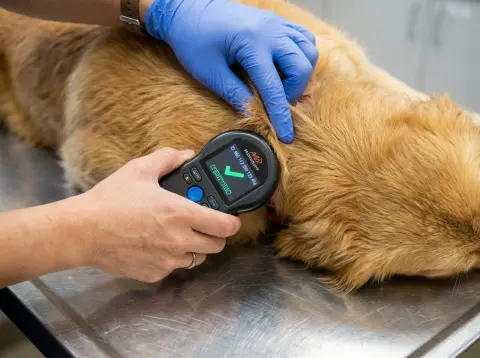
Most reputable local shelters and rescues include several key services in their adoption fees. These usually cover spaying or neutering, initial vaccinations (like DHPP and rabies), microchipping, deworming, and a preliminary veterinary exam. I've seen countless animals come through shelter doors needing extensive medical care, and your adoption fee helps fund those critical treatments. For example, I remember a sweet terrier mix who needed emergency dental surgery before she could be adopted; her medical bill was well over $1,000, far more than her adoption fee. Your contribution helps make these life-saving interventions possible for other animals.
Initial Setup: Getting Ready for Your New Family Member
Once you've decided on a dog, you need to prepare your home. This means buying essential supplies before your dog arrives. These are not optional items; they are crucial for your dog's safety, comfort, and successful transition.
Consider the following list of items you will need immediately:
- Collar and leash: Plan for $20-$60.
- ID tags: A must-have, usually $10-$20.
- Food and water bowls: $15-$50, depending on material and style.
- Initial bag of food: $30-$70, depending on brand and size. Ask the shelter what they are currently feeding your dog to ease the transition.
- Crate or dog bed: A crate can be $50-$200, a quality bed $30-$100. I always recommend a crate for initial training and safety.
- Toys: A few durable toys can be $20-$50.
- Grooming tools (brush, nail clippers): $15-$40.
- Waste bags and dispenser: $10-$20.
Here is a general breakdown of initial costs:
| Item | Estimated Cost Range |
|---|---|
| Adoption Fee | $50 - $750 |
| Collar, Leash, ID Tag | $30 - $80 |
| Food & Water Bowls | $15 - $50 |
| Initial Bag of Food | $30 - $70 |
| Crate or Dog Bed | $30 - $200 |
| Toys & Chews | $20 - $50 |
| Grooming Tools | $15 - $40 |
| Waste Bags | $10 - $20 |
| Total Initial Estimate | $200 - $1260 |
Beyond the First Week: Ongoing Expenses You Must Plan For
The initial costs are just the entry fee; the real financial commitment begins with ongoing care. Many people underestimate these recurring expenses, which can easily add up to hundreds or even thousands of dollars each year.
Routine Veterinary Care and Preventatives
Preventative care is key to a long and healthy life for your dog. This means annual check-ups, which typically cost between $240 and $600, depending on your location and the vet's services. During these visits, your vet will ensure your dog is up-to-date on vaccines and screen for potential issues.
Another crucial ongoing expense is preventative medications. Flea, tick, and heartworm preventatives are not optional; these parasites can cause serious, even fatal, health problems. You can expect to spend $40-$200 annually on these medications, depending on your dog's size and the specific products you choose (e.g., Heartgard, Frontline, Bravecto). I once adopted a dog with untreated heartworm, and the treatment was expensive and difficult. Preventatives are a small price to pay to avoid that kind of heartache and expense.
Food, Treats, and Training
Your dog's diet is a significant ongoing cost. Food prices vary based on your dog's size, breed, age, and any special dietary needs. For a small dog, you might spend $20-$40 per month, while a large breed could easily cost $50-$75 or more. Treats, while seemingly small purchases, also add up. I always recommend factoring in a treat budget, especially for training.
Speaking of training, it is an investment that pays dividends in a well-behaved dog. While you can do a lot of training yourself, professional classes can be beneficial, especially for a newly adopted dog learning house rules. Group classes might cost $100-$200 for a multi-week session, while private sessions can range from $30-$70 per hour. Don't skip this. A well-trained dog is a happier dog, and a dog you can take more places.
Grooming and Other Services
Depending on your dog's dog breeds and coat type, grooming can be a considerable expense. Breeds like Poodles, Shih Tzus, or many doodles require regular professional grooming every 6-8 weeks, costing $50-$100 or more per session. Even short-haired dogs benefit from occasional bathing and nail trims. You can learn to do some grooming at home, but professional services are often necessary.
For those who work long hours, services like dog walkers ($20-$30 per half-hour walk) or doggie daycare ($25-$40 per day) become essential. If you travel, boarding services can cost $30-$60 per night. These services are vital for keeping your dog happy and healthy when you cannot be there, and they should be part of your budget if you anticipate needing them.
The Unexpected: Planning for the "What Ifs"
This is where many first-time dog owners get blindsided. Unexpected costs, particularly medical emergencies, can quickly derail even the best-laid financial plans. It is not a matter of "if" but "when" something unexpected will happen.
Emergency Vet Bills and Chronic Conditions
While routine vet visits are predictable, emergency visits are not. A sick visit for something relatively minor might be $100-$150, but a sudden injury, an ingested foreign object, or a serious illness can lead to bills in the thousands. I have personally paid for emergency surgeries that cost upwards of $3,000-$5,000. It happens. You need to be ready.
Adopting a dog with a known chronic condition, like diabetes, epilepsy, or severe arthritis, means higher ongoing medical costs. These dogs often require daily medication, special diets, and more frequent vet check-ups. While adopting a special needs dog is a rewarding experience, it's crucial to understand the financial implications upfront. Shelters are usually transparent about these conditions, so ask many questions.
Your Financial Safety Net: Insurance and Emergency Funds
To prepare for these unexpected costs, you have two main options: pet insurance or a dedicated emergency fund. Pet insurance can cost anywhere from $5-$135 per month, depending on your dog's breed, age, location, and the coverage level you choose. It can be a lifesaver for major medical events, covering a percentage of vet bills after a deductible. However, it usually does not cover pre-existing conditions, so enrolling your dog when they are young and healthy is often best.
Alternatively, or in addition to insurance, building a separate emergency fund specifically for your dog is a smart move. Aim to save at least $1,000-$3,000 over time. This way, if an emergency arises, you have immediate access to funds without going into debt.
Finding Financial Aid for Veterinary Care
If you face a significant unexpected vet bill and are struggling financially, there are resources available. Organizations like the ASPCA, the Humane Society, and RedRover sometimes offer grants or financial assistance programs for pet owners. Some breed-specific rescues may also have funds for dogs of their particular dog breeds. Always ask your veterinarian if they know of local programs that can help.
The Puplister Preparedness Plan: A 5-Year Financial Forecast
Projecting your dog's costs over several years helps you understand the long-term commitment. While these are estimates, they provide a clearer picture of what you are signing up for. Remember that costs can increase as your dog ages and potentially develops age-related health issues.
Let's look at a general annual cost breakdown:
- Food: $240 - $900
- Treats: $60 - $240
- Routine Vet Care: $240 - $600
- Preventative Medications: $40 - $200
- Toys & Chews: $50 - $150
- Grooming (if needed): $0 - $1200
- Training/Classes: $0 - $500 (more in the first year)
- Pet Insurance: $60 - $1620
- Miscellaneous (beds, leashes, etc.): $50 - $200
Given these ranges, the estimated annual cost for a dog can be anywhere from $740 to over $5,610. Over five years, this means a total cost ranging from approximately $3,700 to $28,050, not including significant emergency vet bills. These numbers might seem large, but they represent a lifetime of care, happiness, and companionship.
This long-term perspective is crucial. Your dog will depend on you for everything, and financial stability is a big part of that. Planning ahead means you can provide the best possible life for your adopted dog without added stress. For more tips on budgeting and pet care, check out our blog.
Ready to welcome a dog into your life? Start by honestly assessing your finances and creating a realistic budget for both initial and ongoing dog adoption costs. This proactive step ensures you can provide a stable, loving home for many years to come.