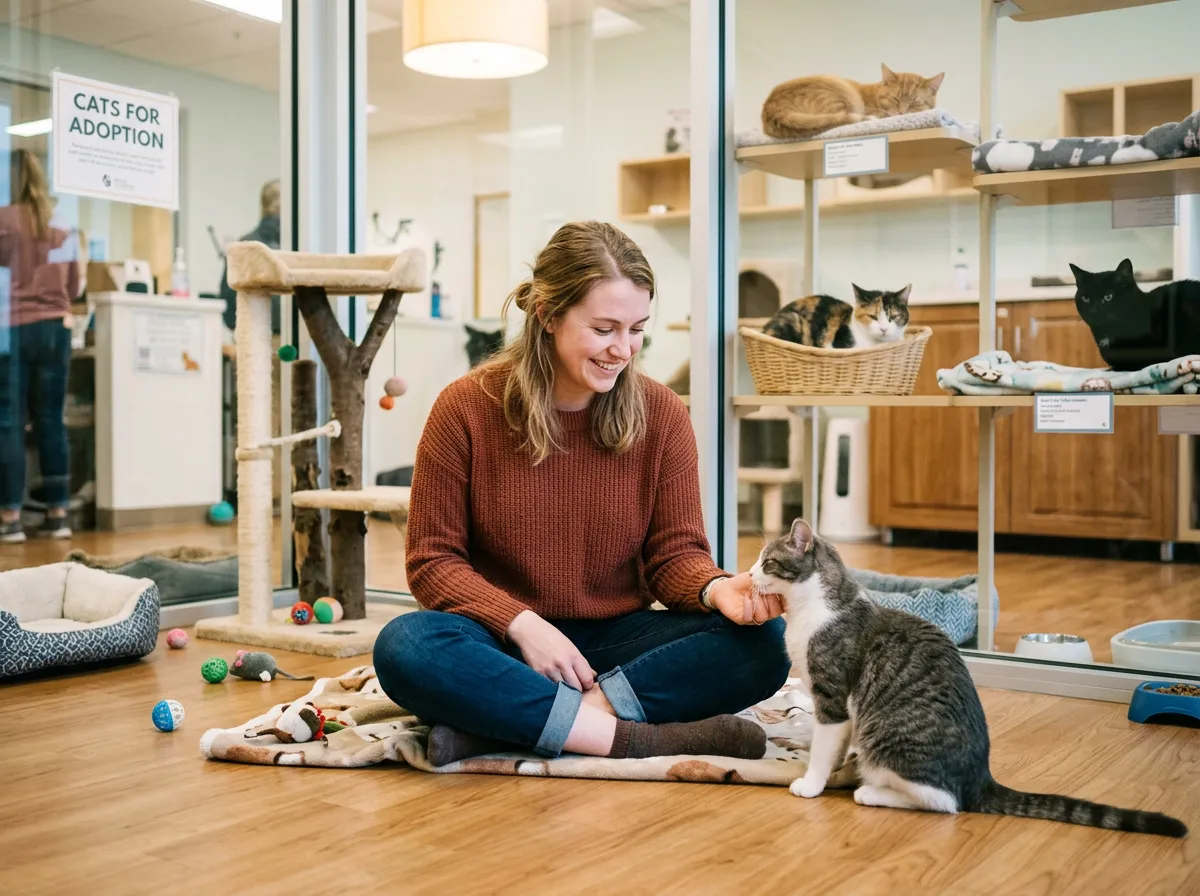
How to Adopt a Cat: A Step-by-Step Beginner's Guide
Adopting a cat can be one of the most rewarding decisions you make, bringing years of companionship and joy into your home. This guide will walk you through the entire process, from preparing your living space and understanding what shelters look for, to bringing your new cat home and ensuring a happy, long-term life together. We'll cover everything a beginner needs to know about how to adopt a cat, ensuring a smooth transition for everyone.
Getting Ready for Your New Cat: Pre-Adoption Prep
Preparing your home and lifestyle before you even start looking for a cat is a critical first step that many people overlook. This isn't just about buying supplies; it's about making sure your environment is safe, enriching, and ready for a feline resident, which significantly reduces stress for both of you.
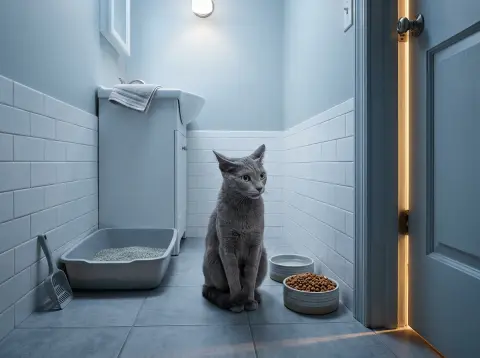
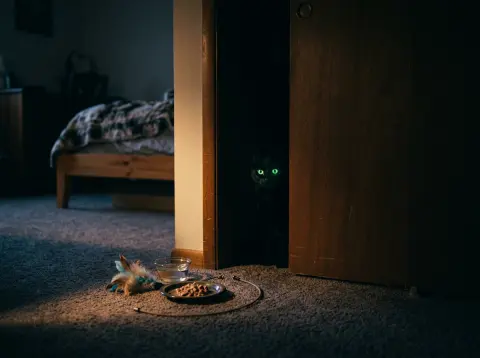
First, consider your living situation. Are you in an apartment or a house? Do you have roommates or other dogs for adoption or cats? A quiet, consistent environment is ideal for a cat adjusting to a new home. One time, I brought home a shy rescue cat named Luna, and she hid under the bed for three days straight because our house was too busy. A dedicated, quiet "safe room" for the first week or two can make all the difference, stocked with food, water, a litter box, and a comfy bed.
Next, you'll need essential supplies. Don't wait until the last minute to buy these things; have them ready before your cat even walks through the door. Here's a basic list:
- Litter Box and Litter: I recommend at least two litter boxes per cat, plus one more. So, for one cat, you should have two litter boxes in different locations. Unscented clumping litter is generally preferred by cats.
- Food and Water Bowls: Ceramic or stainless steel are best for hygiene. Avoid plastic if possible, as it can harbor bacteria and cause feline acne.
- Cat Food: Ask the shelter what they're currently feeding the cat you're interested in. Stick with that brand for the first few weeks to avoid digestive upset, then slowly transition if you plan to change.
- Scratching Posts/Pads: Provide a variety of textures and orientations (vertical and horizontal) to protect your furniture. My cats love both cardboard scratchers and sisal posts.
- Toys: A mix of interactive toys (wand toys) and solo toys (balls, crinkle toys) will keep them entertained.
- Cat Carrier: Essential for transport and future vet visits. Get a sturdy one that's easy to clean.
- Bed: A soft, cozy spot for them to sleep and feel secure.
- Grooming Tools: A brush appropriate for their coat type.
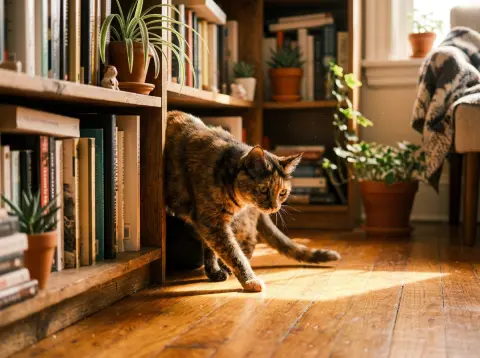
Finally, cat-proof your home. Secure loose cords, put away toxic plants, and make sure windows have screens. Look for small spaces where a curious cat might get stuck. You'd be surprised where they can squeeze themselves.
Finding Your Feline Match: Navigating Shelters and Applications
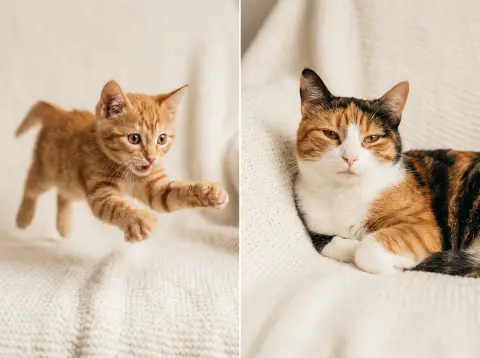
Finding the right cat is a journey that often starts at local shelters or rescue organizations. These places are full of wonderful cats and kittens, each waiting for a home. Approximately 3.1 million cats and kittens enter the shelter system each year in the US, and about 2.1 million find loving homes. Your adoption helps save a life.
Understanding Different Rescue Types
There are generally two main types of rescue organizations: traditional shelters and foster-based rescues. Traditional shelters, like your local humane society or ASPCA branch, have a physical building where cats live. Foster-based rescues operate through networks of volunteers who house cats in their homes, providing a more home-like environment before adoption. I've volunteered for both, and each has its pros and cons. Foster-based groups often have more detailed behavioral notes on their cats, as they've lived in a home setting. You can often find adoptable cats on platforms like Petfinder, which aggregate listings from many organizations.
Decoding the Application: What Shelters Really Look For
Once you find a cat you're interested in, the application process begins. This isn't just paperwork; it's how shelters ensure their animals go to safe, permanent homes. Applications typically ask about your living situation, work schedule, previous pet experience, and veterinarian references. They might ask for landlord approval if you rent, and sometimes they'll even do a home visit.
Here's what most people get wrong: they think shelters are trying to catch them out. Honestly, we're just trying to make sure the cat will thrive. When they ask about your work schedule, they want to know the cat won't be left alone for 12 hours a day without interaction. If you work long hours, consider adopting a bonded pair of cats or an older, more independent cat. When they ask about previous pet experience, they're looking for responsible pet ownership, not perfection. Be honest about challenges you've faced and how you handled them. Showing you're willing to learn and adapt is a huge plus.
During the interview, be prepared to discuss things like how you'll introduce the cat to existing pets, your plan for vet care, and how you'll handle common behavioral issues like scratching or litter box problems. A shelter volunteer once told me, "We'd rather you tell us you're new to cats and open to advice than pretend you're an expert and then struggle." Showing genuine commitment and a willingness to provide lifelong care is key.
The True Cost of Love: A Transparent Look at Adoption Fees and Beyond
Adopting a cat isn't free, and neither is owning one. Understanding the financial commitment upfront is crucial for responsible pet ownership. Adoption fees vary widely, generally ranging from $50 to $300, depending on the shelter, the cat's age, and its breed (if applicable, though most shelter cats are mixed breeds). This fee is usually a bargain compared to what it covers.
Typically, your adoption fee includes:
- Spay/Neuter Surgery: This is almost always done before adoption.
- Initial Vaccinations: Core vaccines like rabies and distemper (FVRCP).
- Microchip: For identification if your cat ever gets lost.
- Basic Health Check: A general vet examination.
- Flea/Deworming Treatment: To ensure the cat is healthy when it leaves the shelter.
However, the adoption fee is just the beginning. The true cost of owning a cat extends throughout its life. While specific numbers can fluctuate, the typical annual cost for one cat can easily be over $1,500. This includes:
- Food: $30-$80 per month, depending on quality and type.
- Litter: $20-$40 per month.
- Annual Vet Check-ups: $50-$200 for a routine visit, not including unexpected illnesses.
- Flea, Tick, and Heartworm Prevention: $15-$30 per month.
- Toys and Enrichment: $10-$30 per month.
- Pet Insurance (Optional but Recommended): $20-$50 per month.
And don't forget emergency funds. Cats are masters at hiding illness, and a sudden trip to the vet can cost hundreds or thousands of dollars. Having a dedicated savings account for pet emergencies is a smart move. My last emergency vet visit for a urinary blockage cost over $1,200. It's a significant commitment, but the companionship is priceless.
Bringing Your Cat Home and Sustaining a Happy Life Together
The day you bring your new cat home is exciting, but it can be overwhelming for them. Patience is your most important tool during this adjustment period. Remember that it might take weeks or even months for a cat to fully settle in and show their true personality.
The First Days and Weeks
Upon arrival, take your cat directly to their designated "safe room." Open the carrier and let them come out on their own terms. Don't force interaction. Provide food, water, and a litter box, then leave them alone for a few hours. Visit them quietly and calmly, offering gentle petting if they approach. Use Feliway diffusers, a synthetic feline pheromone, to help reduce stress in their new environment. Gradually introduce them to other parts of the house and household members over several days or weeks. If you have other pets, slow, supervised introductions are necessary.
Life Beyond the First Month: Sustaining a Happy Home
Many guides stop after the first few weeks, but long-term care is where the real commitment lies. Cats need ongoing physical and mental enrichment to stay happy and healthy. This means regular playtime with wand toys, puzzle feeders to challenge their minds, and vertical spaces like cat trees or shelves for climbing and observing. I've found that rotating toys keeps my cats interested, and even simple things like a cardboard box can provide hours of fun.
Regular vet check-ups are non-negotiable. Cats are experts at hiding pain or illness, so annual exams are crucial for catching problems early. Ask your vet about dental care, as many cats develop dental disease. Pay attention to subtle changes in appetite, litter box habits, or activity levels. These can be early signs of health issues. Don't dismiss a sudden change in behavior as "just being a cat" – it often signals a problem.
Behavioral challenges can arise years into ownership. A cat that suddenly starts urinating outside the litter box might have a urinary tract infection or be stressed by a change in the home. A cat that becomes aggressive could be in pain. Instead of getting frustrated, consult your vet first to rule out medical issues, then consider a certified feline behaviorist if the problem persists. There are always solutions, and often it's about understanding what your cat is trying to tell you. If you ever have questions about cat care, you can always check out our blog for more information.
Adopting a cat is a long-term commitment, but it's one that brings immense satisfaction. The bond you form with your adopted cat will grow deeper with every passing year, making all the effort worthwhile. Look for your new companion today and begin your journey.