How to Adopt a Dog: A Step-by-Step Guide for Beginners
Thinking about bringing a dog into your life? Adopting a dog can be one of the most rewarding decisions you'll ever make, offering a chance to provide a loving home to an animal in need and gain a loyal companion. This guide will walk you through the entire process, from preparing your home to understanding your new dog for adoption's first few days, making the journey of how to adopt a dog clear and manageable for any beginner.
Are You Ready to Adopt a Dog? A Hard Look at Your Life
Adopting a dog means taking on a significant responsibility, so a frank self-assessment is essential to ensure you can meet their needs and provide a stable, loving environment. Many people jump into adoption without fully considering the long-term commitment, which can unfortunately lead to dogs being returned to shelters.
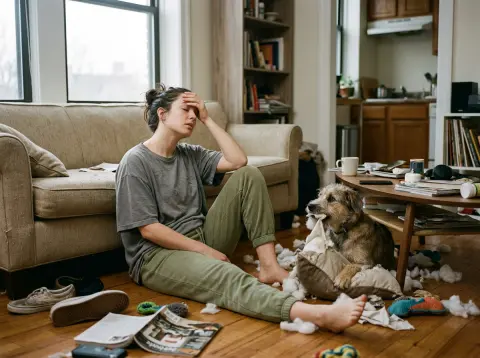
Consider your daily schedule. Do you work long hours away from home? A puppy or a high-energy breed might struggle with extended periods alone, potentially leading to destructive behaviors or anxiety. An older dog, or one with a calmer disposition, might be a better fit if your time is limited. I've seen countless well-meaning adopters return dogs because they didn't factor in the hours needed for walks, training, and playtime.
Finances play a huge role. Beyond the initial adoption fee, which typically ranges from $50 to $300 and usually covers spay/neuter, initial vaccinations like DHPP and rabies, and microchipping, there are ongoing costs. The ASPCA estimates annual routine dog care can be anywhere from $700 to over $2,000, depending on the dog's size and needs. This includes food, regular vet check-ups, flea and tick prevention, heartworm medication, and toys. Unexpected vet bills for injuries or illnesses can also add up quickly. It's smart to have an emergency fund set aside.
Your living situation matters, too. While many dogs thrive in apartments, some larger or high-energy dog breeds need more space to run, even with regular walks. Does your landlord allow pets? Are there breed or weight restrictions? If you have other pets, like cats or existing dogs, or young children, you'll need to consider how a new dog will fit in. A shelter volunteer once told me, "It's not about the size of your yard, it's about the size of your commitment to exercise."
Finding Your New Family Member: Shelter Secrets and Smart Choices
The best place to find your new family member is through reputable local shelters and rescue organizations, where dedicated staff work hard to match dogs with suitable homes. These organizations are full of wonderful dogs who, through no fault of their own, are waiting for a second chance.
Unlike buying from a breeder, adopting from a shelter means you're giving a home to an animal that needs one. Millions of dogs end up in shelters each year, and by adopting, you're making a direct positive impact. Many people worry that shelter dogs have "issues," but often, they are simply victims of circumstance – owners who moved, couldn't afford care, or passed away. I've adopted three dogs from shelters, and each one has been a unique, loving character, despite their pasts.
When you visit a shelter, don't just look for the cutest face. Engage with the dogs. Ask staff about their history, known behaviors, and energy levels. A dog that seems quiet and shy in a kennel might be overwhelmed by the environment and could be playful and outgoing once they settle into a home. Conversely, a boisterous dog might be too much for a first-time adopter. Be honest with the shelter staff about your lifestyle and what you're looking for; their goal is a successful, lifelong match.
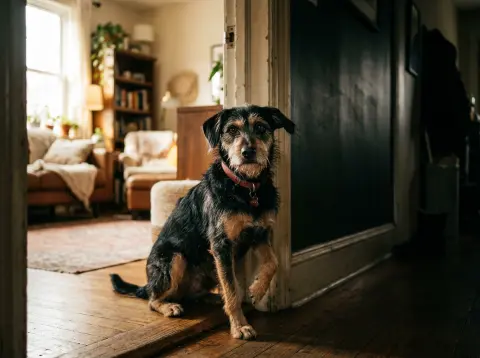
Is adopting a dog hard for a beginner? Honestly, no, but it requires patience, a willingness to learn, and realistic expectations. Shelters are there to support you. They screen potential adopters not to make things difficult, but to ensure the dogs go to homes where they will thrive. For first-time adopters, I often recommend considering an adult dog (2+ years old) over a puppy. Adult dogs often come with some manners, are typically house-trained, and their personalities are already established, making it easier to find a good fit. Many senior dogs for adoption are also wonderful, calm companions who just want a soft bed and some love.
Navigating the Adoption Process: What to Expect Step-by-Step
The dog adoption process involves a few key steps, including an application, interviews, and often a meet-and-greet, all designed to ensure a good, lasting home for the dog. This isn't a quick transaction; it's a careful matching process.
The Application and Interview
You'll start by filling out an adoption application. This isn't just busywork; it's how the shelter gets to know you and your household. They'll ask about your living situation, work schedule, pet experience, and sometimes even for vet references or landlord contact information. I've had shelters call my vet to confirm past pet care and my landlord to verify pet policies. This thoroughness is a good sign; it means they care deeply about their animals.
Once your application is reviewed, you'll likely have an interview, either in person or by phone. This is your chance to ask questions, and for the shelter to clarify details and ensure you understand the commitment. Be open and honest. The goal is to find the right dog for you, and the right home for the dog. Expect the entire application and interview process to take anywhere from a few days to a couple of weeks, depending on the shelter's resources and the number of applications.
Meet-and-Greets and Home Checks
If your application passes initial screening, you'll be invited to meet potential dogs for adoption. Spend time with them. Observe their behavior. Do they seem comfortable with you? Are they overly timid or too boisterous for your lifestyle? Ask about their leash manners, house training status, and any known quirks. This is not the time to be shy; gather all the information you can.
Some shelters require a home visit. This isn't an inspection to judge your cleanliness, but rather a way for the shelter to see where the dog will live, identify any potential hazards, and offer advice on dog-proofing. It's also a chance for them to meet any other family members or existing pets to ensure everyone will get along.
Understanding Adoption Fees and Contracts
Once you've found your match and been approved, you'll pay an adoption fee and sign a contract. As mentioned, adoption fees typically range from $50 to $300, and they're a steal. These fees help cover the shelter's costs for spay/neuter surgery, vaccinations, microchipping, and any medical care the dog received while waiting for a home. Think of it as investing in a healthy, pre-vetted pet.
The adoption contract is important. It outlines your responsibilities as the new owner and often includes clauses about returning the dog to the shelter if things don't work out, rather than rehoming them yourself. Read every word carefully. You're making a legal and moral commitment to care for this animal.
Your Dog's First 72 Hours: Easing the Transition
The first 72 hours are crucial for a newly adopted dog to decompress, begin to trust you, and adjust to their new surroundings. This period requires a calm, predictable environment and minimal stimulation.
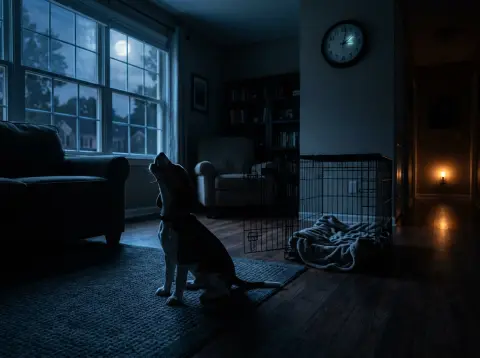
Your dog has just been through a major change. They might be experiencing "shelter shock" - a state of overwhelm from moving from a loud, busy environment to a new, unfamiliar one. Give them space. Set up a designated, quiet "safe space" in your home, like a crate or a small room, with their bed, water bowl, and a few toys. Let them explore this area on their own terms. Don't force interactions or introduce them to too many new people or places right away.
Many adopters experience what's called the "honeymoon period," where their new dog is on their "best behavior" for the first few days or even weeks. Their true personality will gradually emerge as they feel more secure. Be prepared for this shift. It's normal for a dog to seem quiet and perfect initially, then start testing boundaries once they realize they're safe.
Establish a consistent routine from day one. Regular feeding times, scheduled potty breaks (take them out frequently, even if you think they don't need to go), and quiet time will help your dog feel secure and understand what's expected of them. Predictability is key to building trust and confidence in a rescue dog.
Schedule a vet visit within the first few days of bringing your dog home. Even though the shelter provided initial medical care, a vet check-up will establish a baseline for their health, ensure they are up-to-date on all necessary vaccinations, and allow you to discuss any concerns. This also helps your dog get used to visiting the vet in a non-emergency situation.
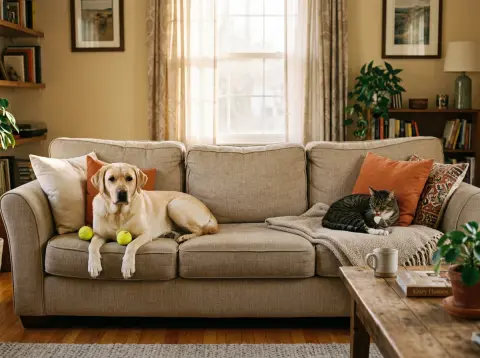
If you have existing pets, whether cats or other dogs, or children, introductions should be slow and supervised. Never just throw them all together. For dogs, controlled, neutral-territory introductions are best. For cats, keep them separate initially and allow them to get used to each other's scents before a visual introduction. Teach children how to interact respectfully with the new dog, emphasizing gentle touches and quiet voices.
Ready to find your new best friend? Take the first step today by browsing dogs for adoption on Puplister or reaching out to your local shelters to inquire about their adoption process. There's a wonderful dog waiting for you.