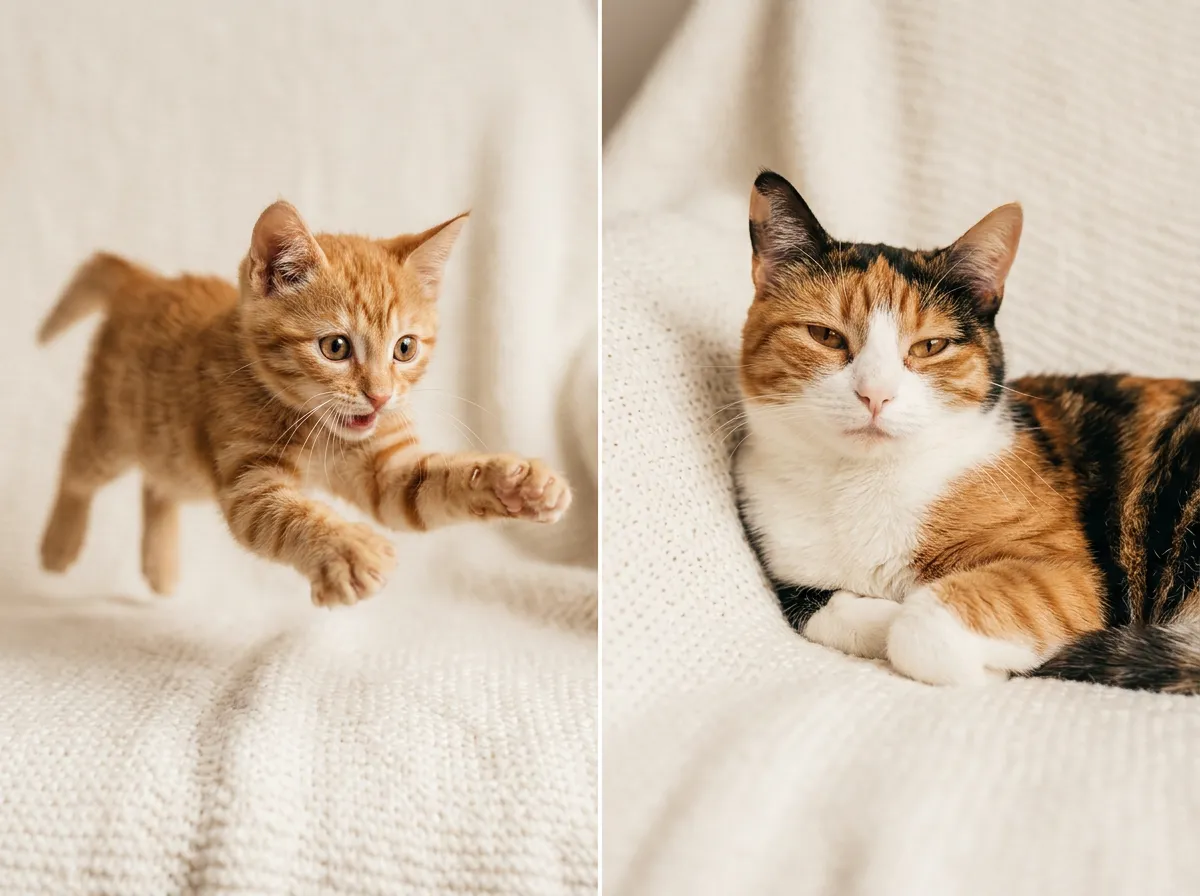
Kitten vs Adult Cat: Which Should You Adopt?
Deciding between a kitten and an adult cat for adoption is a big choice, and honestly, an adult cat is often the better option for most people, despite the allure of tiny paws. While kittens bring undeniable cuteness and boundless energy, they also demand a significant time and financial commitment that many prospective adopters underestimate. Adult cats, on the other hand, often come with established personalities and habits, offering a more predictable and sometimes even more rewarding experience for the right home.
The Allure of Kittens: What Most People See (and Miss)
Most people walk into a shelter and immediately gravitate towards the kitten room. It's understandable, really- those tiny paws, the playful antics, the soft meows. Kittens are undeniably charming, offering the promise of a strong bond as you raise them from a young age, shaping their behavior and personality. They are a constant source of entertainment, turning everyday objects into fascinating toys and filling your home with laughter.
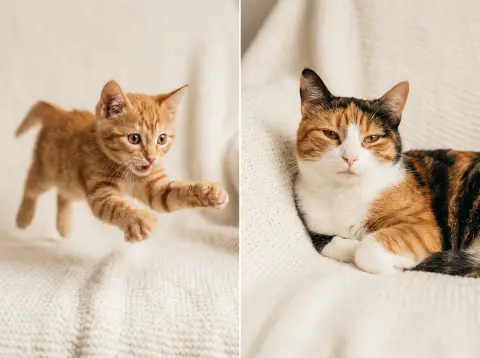
Here's the thing, though: that adorable energy comes with a price. Kittens are mini chaos agents. They need constant supervision, much like a toddler. Their tiny claws and teeth are still developing, and they don't always know what's appropriate to scratch or chew. I once fostered a litter of five-week-old kittens, and one particular little guy, a ginger tabby, managed to climb my curtains, dismantle a toilet paper roll, and "attack" my feet every morning before I even had coffee. It was exhausting, albeit hilarious.
Also, many sources, including reputable organizations like the ASPCA, recommend adopting kittens in pairs if possible. This isn't just to double the cuteness; it helps prevent what's known as "Single Kitten Syndrome." A lone kitten, without another feline to play and learn from, can become overly attached, destructive, or even aggressive in their play with humans. They learn bite inhibition and social cues from other cats, and denying them that can lead to behavioral issues down the line. If you're considering a specific cat breed, remember that even within breeds, kittens will have varying energy levels, but all will be high initially.
The Unsung Heroes: Why Adult Cats Often Win
Conversely, adult cats are the unsung heroes of the shelter world. They often wait longer for homes, even though they can be perfect companions. A significant statistic from national shelters shows that kittens are adopted at a rate of 82%, while cats 1.5 years and older have an adoption rate of only 60%. This gap is heartbreaking, because adopting an adult cat is often far easier and more rewarding than people realize.
Think about it: an adult cat's personality is already established. You'll know if they're a lap cat, an independent explorer, a playful hunter, or a quiet observer. Most adult cats are already litter-trained, a huge relief for new adopters. They've also often outgrown the destructive chewing and scratching phases that can plague kittenhood. Their energy levels are generally lower, making them ideal for busy individuals, seniors, or families with young children who might be overwhelmed by a rambunctious kitten.
My own experience with adult cat adoptions has always been positive. My first adult cat, a sweet tortie named Luna, was six when I adopted her from a local shelter. She walked into my apartment, sniffed around, and then settled onto my lap as if she'd always been there. There was no guesswork, no behavioral surprises- just immediate companionship. The gratitude you feel from an adult cat who finally has a loving home is special, a quiet thank you that warms your heart.
Demystifying Shelter Matchmaking: How Personality is Assessed
Many people worry about adopting an adult cat because they feel they won't know what they're getting. But shelters, especially those like Puplister partners with, put a lot of effort into assessing their cats. Volunteers and staff spend countless hours observing how cats interact with people, other animals, and different environments. They look for signs of shyness, playfulness, affection, and independence.
During a "meet and greet," shelter staff can tell you a cat's known history, its likes and dislikes, and how it might fit into your household. They want to make a good match, reducing the chances of a return. They'll ask about your lifestyle, your home environment, and any other pets or children you have. This isn't just paperwork; it's a vital step in ensuring a successful placement. While there's always an adjustment period for any new animal, shelters strive to give you the best possible information.
Beyond Cuteness: A Real Look at the Costs and Commitment
Another often-overlooked aspect of kitten adoption is the financial commitment, especially in the first year. While adoption fees for kittens and adult cats can be similar (typically $50-200, but can vary by shelter and region), the initial veterinary costs for a kitten are usually much higher.
Consider this breakdown:
| Item | Kitten (First Year) | Adult Cat (First Year) |
|---|---|---|
| Adoption Fee | $50 - $200 | $50 - $200 |
| Initial Vet Exam(s) | $100 - $300 (often multiple visits) | $50 - $150 (usually one visit) |
| Core Vaccines (FVRCP, Rabies) | $75 - $150 (series needed) | $0 - $50 (often already done) |
| Spay/Neuter Surgery | $150 - $400 (if not done by shelter) | $0 (almost always done by shelter) |
| Deworming/Flea Treatment | $50 - $100 | $20 - $50 |
| Microchipping | $30 - $70 | $0 - $50 (often done) |
| Food (Quality Dry/Wet) | $300 - $600 | $300 - $600 |
| Litter, Toys, Scratchers | $200 - $400 | $150 - $300 |
| Estimated Total | $955 - $2220 | $570 - $1350 |
As you can see, the difference can be substantial. Many adult cats come spayed or neutered, vaccinated, and microchipped, saving you hundreds of dollars right off the bat. This financial ease can make a big difference, allowing you to invest more in quality food or fun toys instead of urgent medical care.
Integrating Your New Feline into a Multi-Pet Home
Introducing any new cat into a home with existing pets requires patience and a proper strategy. However, an adult cat's established personality can sometimes make this process more predictable than with a kitten. You'll know if the adult cat is generally calm, confident, or timid, which helps you plan introductions.
The best approach is always slow and gradual. Start by giving your new cat a separate "safe room" with food, water, litter, and a bed. Allow them to adjust to their new surroundings and new smells without the pressure of meeting other animals immediately. Scent swapping- placing a towel rubbed on your new cat near your existing pets, and vice versa- is a great first step. Gradually move to supervised visual introductions, always ensuring escape routes for all animals. If you have dogs for adoption in mind for your next addition, remember that careful introductions are key for any species.
Older Cats: A Special Kind of Love (and Care)
What about senior cats? While they might require more specialized care down the line, adopting an older cat can be rewarding. The average lifespan for an indoor cat is close to 16 years, so even a cat who is 8 or 10 years old still has many wonderful years to share.
Older cats often crave quiet companionship. They are less likely to climb curtains or get into mischief. They're often content to nap in a sunbeam or curl up on your lap for hours. Yes, they might eventually face age-related issues like arthritis, kidney disease, or dental problems, which will mean more vet visits later on. However, the immediate adjustment period is often smoother, and the bond you form with a senior cat is deep. You're giving them comfort and love in their golden years, and that's a gift both ways.
Ultimately, the choice between a kitten and an adult cat depends on your lifestyle, your budget, and your willingness to commit. But don't dismiss the adult cats waiting patiently in shelters. They offer so much love and companionship, often with fewer initial challenges. Take a moment to browse the wonderful cats for adoption available on Puplister. You might just find your perfect match, whether they're tiny or have a few years under their belt.