Lump on My Dog: When to Worry and When to Wait
Approximately 95% of lumps and bumps can be diagnosed via a Fine Needle Aspiration (FNA), yet many pet owners still hesitate, wondering if a new growth on their dog warrants an immediate vet visit or if it's something that can wait. Discovering a lump on your dog can be unsettling, especially if they are a newly adopted companion whose medical history is a mystery. Knowing when to worry and when to simply monitor is critical, and it often depends on a few key factors.
Do not dismiss any new lump without proper evaluation.
When Should I Worry About a Lump on My Adopted Dog?
You should worry about a lump on your adopted dog if it appears suddenly, grows rapidly, feels hard and fixed to underlying tissue, is painful, warm, red, bleeds, discharges, or causes your dog to lick or chew at the area excessively. For adopted dogs, an unknown history means you should lean towards caution and schedule a vet visit sooner rather than later to establish a baseline and rule out anything serious.
Here's the thing about lumps: they're common in dogs, and not all of them are cause for panic. Lipomas, for instance, are benign fatty tumors that are the most common benign growth, especially in older and overweight dogs. I've seen countless dogs, like a sweet Labrador mix named Sadie I worked with in Tulsa back in 2022, who developed a softball-sized lipoma on her flank. Her owners were terrified, but after an FNA, it was confirmed to be harmless and didn't require removal. However, relying on a guess can be dangerous.
But how do you differentiate a harmless lump from something more sinister? The Dr. Sue Ettinger "Rule of Ones" is a good guideline: see a vet if a lump is one centimeter or larger, or has been present for one month or longer. Any lump that changes quickly in size, shape, or color, or that causes your dog discomfort, warrants immediate attention. Malignant tumors, like mast cell tumors - the most common skin cancer in dogs, often seen in breeds such as Boxers, Boston Terriers, Labradors, Beagles, and Schnauzers - can look deceptively innocent. They might start small, soft, and movable, only to become aggressive.
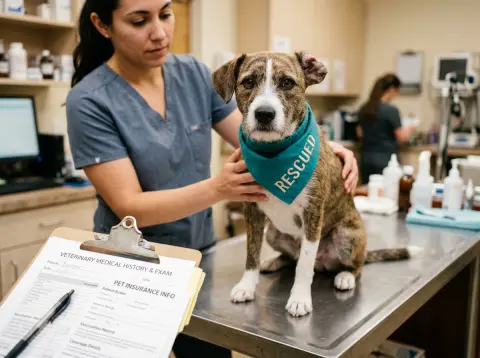
Consider the unique challenges of adopting a dog with an unknown background. You do not know what health issues their parents had, what they were exposed to, or if they've had lumps removed in the past. This lack of medical history makes every new lump a more urgent situation. Most shelters do their best to provide comprehensive medical information, but sometimes, especially with strays or owner surrenders, the full picture simply isn't available. This is not a slight against the shelter; it's a reality of rescue work. So, when you find a lump on your newly adopted dog, you need to act as if you have no context for its appearance. This is where your vigilance becomes their best defense.
What Diagnostic Steps Will My Vet Take for a Dog Lump Diagnosis?
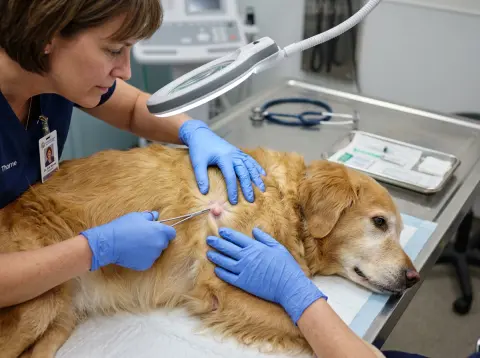
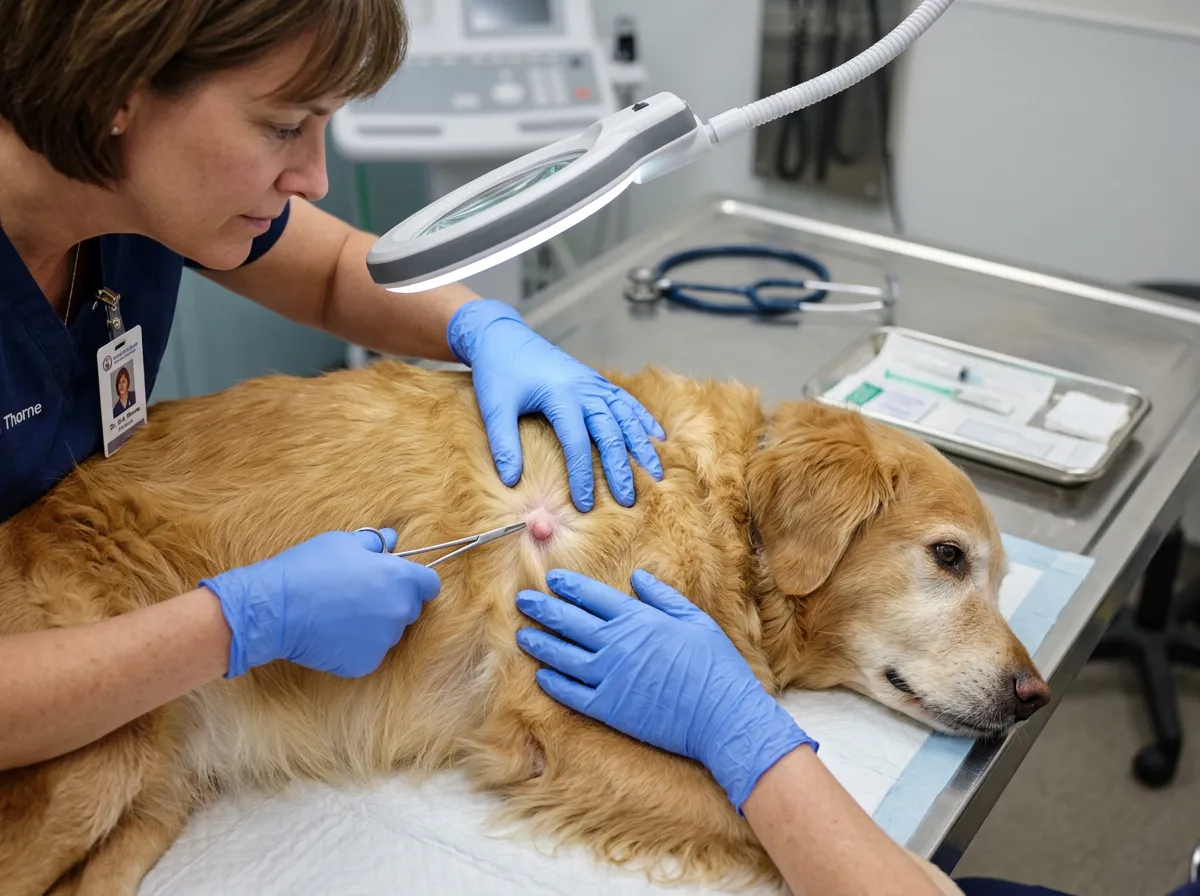
When you take your dog to the vet for a lump, your veterinarian will start with a thorough physical examination, feeling the lump's size, consistency, and mobility. The primary diagnostic tool is typically a Fine Needle Aspiration (FNA), where cells are collected with a small needle and examined under a microscope. If the FNA is inconclusive or suggests malignancy, a biopsy will be recommended for a definitive diagnosis.
The first step is always a good physical exam. Your vet will palpate the area, noting if the lump is soft or hard, movable or fixed, and if your dog shows any pain upon touch. They will also check surrounding lymph nodes. From there, the FNA is usually next. This procedure is generally quick, minimally invasive, and often performed without sedation, though some dogs might need a mild sedative if the lump is in a sensitive area or they are particularly anxious. The collected cells are then sent to a veterinary pathologist for evaluation.
Sometimes, an FNA might not provide enough information, or the results might be ambiguous. In these cases, a biopsy is the next logical step. A biopsy involves removing a larger piece of tissue, or even the entire lump, under sedation or general anesthesia. This allows the pathologist to examine the architecture of the tissue, not just individual cells, which can provide a more definitive diagnosis. Imaging techniques like X-rays or ultrasound might also be used, particularly if the lump is internal or if there's concern about spread to other organs, which can happen with aggressive cancers.
Here's what most people get wrong: they try to self-diagnose based on internet pictures. Do not do that. You are not a board-certified veterinary pathologist. Even experienced veterinarians rely on lab results for accurate diagnoses. I once fostered a scruffy terrier mix named Max who arrived at a shelter in Juneau with what looked like a harmless wart on his leg. It turned out to be a highly aggressive fibrosarcoma that required extensive surgery, costing his new family over $3,000, all because it was initially dismissed as "just a wart" by previous owners. That kind of oversight can cost lives and money.
How Can I Prepare for a Vet Visit and Support My Dog Through a Lump Journey?
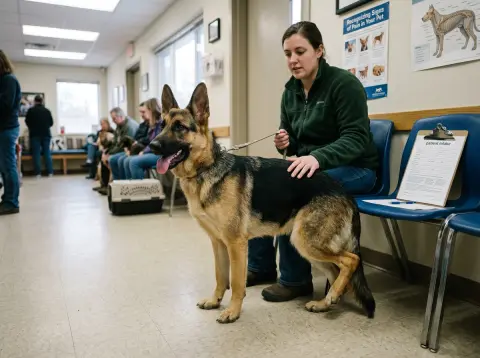
You can prepare for a vet visit by documenting the lump's history, including its first appearance, any changes, and your dog's overall behavior. Supporting your dog through a lump journey, especially if it's a serious diagnosis, involves providing comfort, maintaining routine, and being prepared for potential financial and emotional challenges. This is a team effort involving you, your vet, and your support system.
Gathering information is crucial for your veterinarian. They need details you might not think are important. Before your appointment, create a log. Note when you first noticed the lump, its exact location, how it feels (soft, hard, squishy, firm), its size (measure it!), and any changes you've observed. Take photos, too, especially if the lump has changed over time. This visual record can be invaluable. Also, mention any other symptoms your dog has, even if they seem unrelated, such as lethargy, changes in appetite, or weight loss. These systemic signs can point to a more serious underlying issue.
Financially, diagnostics and treatments can add up quickly. A simple FNA might be a couple of hundred dollars, but a biopsy, surgery, chemotherapy, or radiation could run into thousands. This is a practical detail often skipped by generic articles. Talk openly with your vet about costs and potential treatment paths. Many veterinary clinics offer payment plans, and organizations like The Pet Fund or RedRover provide financial assistance for owners facing costly treatments. The ASPCA also has resources for low-cost care.
This journey can be emotionally draining, not just for your dog, but for you. Seeing an animal you love go through health challenges is tough. Remember that many dogs in shelters are surrendered not because of behavioral issues, but because their owners simply cannot afford unexpected medical bills. It is a heartbreaking reality of pet ownership, and it speaks to the profound bond we form with these animals, and the difficult choices people sometimes face. Be kind to yourself through the process. Your dog relies on your calm presence and consistent care. Keep their routine as normal as possible, provide extra comfort, and follow your vet's instructions diligently.
Here's a practical checklist for your vet visit:
- Document the Lump: Note the date you first noticed it, its location, size (measure with a ruler if possible), texture, and any changes.
- Take Photos: Snap clear pictures of the lump from different angles, especially if it has changed over time.
- List Other Symptoms: Jot down any other changes in your dog's behavior, appetite, weight, energy levels, or bathroom habits.
- Gather Medical Records: Bring any existing medical history for your adopted dog, even if it's limited.
- Prepare Questions: Have a list of questions for your vet about diagnosis, prognosis, treatment options, and costs.
- Consider Financials: Research potential financial aid or payment plans if you anticipate high costs.
A lump on your dog is always worth investigating.