My Dog Has Bad Breath: Causes and Easy Fixes
Does your dog's breath clear a room faster than a skunk at a family picnic? Many people simply accept bad canine breath as "dog breath," a normal part of pet ownership. But here's the uncomfortable truth: that persistent stench is almost always a red flag, signaling something amiss with your dog's health, not just a quirky trait. It's a symptom, not a personality feature.
What Exactly Causes That Awful Dog Bad Breath?
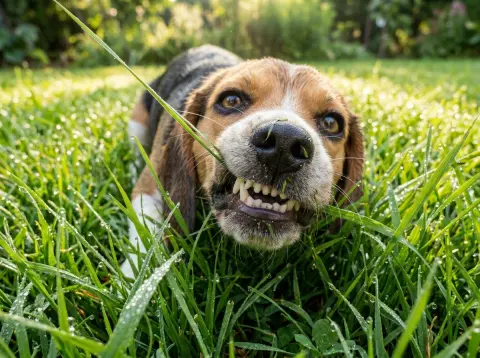
Most often, the primary culprit behind your dog's bad breath, or canine halitosis, is poor oral hygiene leading to plaque and tartar buildup, but it can also indicate serious underlying health conditions that require immediate veterinary attention.
Think about your own teeth. If you stopped brushing for a week, your breath would get pretty foul, right? The same principle applies to dogs for adoption. Food particles and bacteria combine to form plaque on their teeth. This plaque hardens into tartar, a rough, yellow-brown substance that irritates the gums, leading to gingivitis-inflammation of the gums. Untreated, this progresses to periodontal disease, where the gums recede, teeth loosen, and bacteria can even enter the bloodstream, affecting organs like the heart, liver, and kidneys. The American Veterinary Medical Association (AVMA) states that by age three, 80% of dogs show signs of periodontal disease. Small breed dogs are especially prone to dental issues, partly because their teeth are often crowded in smaller mouths.
Beyond oral disease, several other factors contribute to dog bad breath:
- Diet: Some diets, especially those high in poor-quality ingredients or too many soft foods, do not provide enough abrasive action to help clean teeth. Eating non-food items, like garbage or feces (coprophagia), also makes breath smell terrible.
- Underlying Health Conditions: This is where bad breath becomes a serious warning.
- Kidney Disease: A strong ammonia or urine-like smell often points to kidney problems, as toxins build up in the blood.
- Liver Disease: A sickly sweet or musty odor can indicate liver issues, often accompanied by other symptoms like jaundice or vomiting.
- Diabetes: A sweet, fruity smell on your dog's breath might be a sign of diabetes, especially if they are also drinking and urinating more than usual.
- Oral Tumors or Growths: These can harbor bacteria and decay, leading to localized foul odors.
- Digestive Issues: Gastroesophageal reflux or other gastrointestinal problems can cause bad breath.
- Respiratory Infections: Infections in the nose, sinuses, or lungs can also contribute to offensive odors.
- Foreign Objects: Sometimes, a stick, a piece of a toy, or even a bone fragment can get lodged between teeth or in the gums, causing infection and a very sudden, localized bad smell.
I once fostered a scruffy Terrier mix named Barnaby, who came to us at the Cleveland Animal Protective League in 2021 with breath so potent you could smell him from across the room. Turns out, he had an abscessed tooth and multiple broken teeth from past trauma, requiring 14 extractions. The shelter covered the $1,500 dental surgery, but it was a stark reminder of how neglect impacts oral health.
How to Tackle Dog Bad Breath at Home (and What to Avoid)
Addressing your dog's bad breath at home primarily involves a consistent oral hygiene routine, including daily brushing with veterinary-approved products, along with careful dietary choices and regular check-ups to rule out more serious issues.
Let's clear up a common misconception right away. Many people think a simple dental chew or a special kibble will magically fix everything. Oh, if only it were that easy! You know, those advertisements showing a happy dog munching on a green stick, implying all their dental woes vanish? It's almost as effective as trying to clean your own teeth by just chewing gum. While some dental chews can offer some mechanical abrasion, they are no substitute for actual brushing and professional cleanings. Expecting them to solve serious plaque and tartar buildup is like expecting a band-aid to fix a broken leg. It's not going to happen.
Here's what actually helps:
Daily Brushing is King
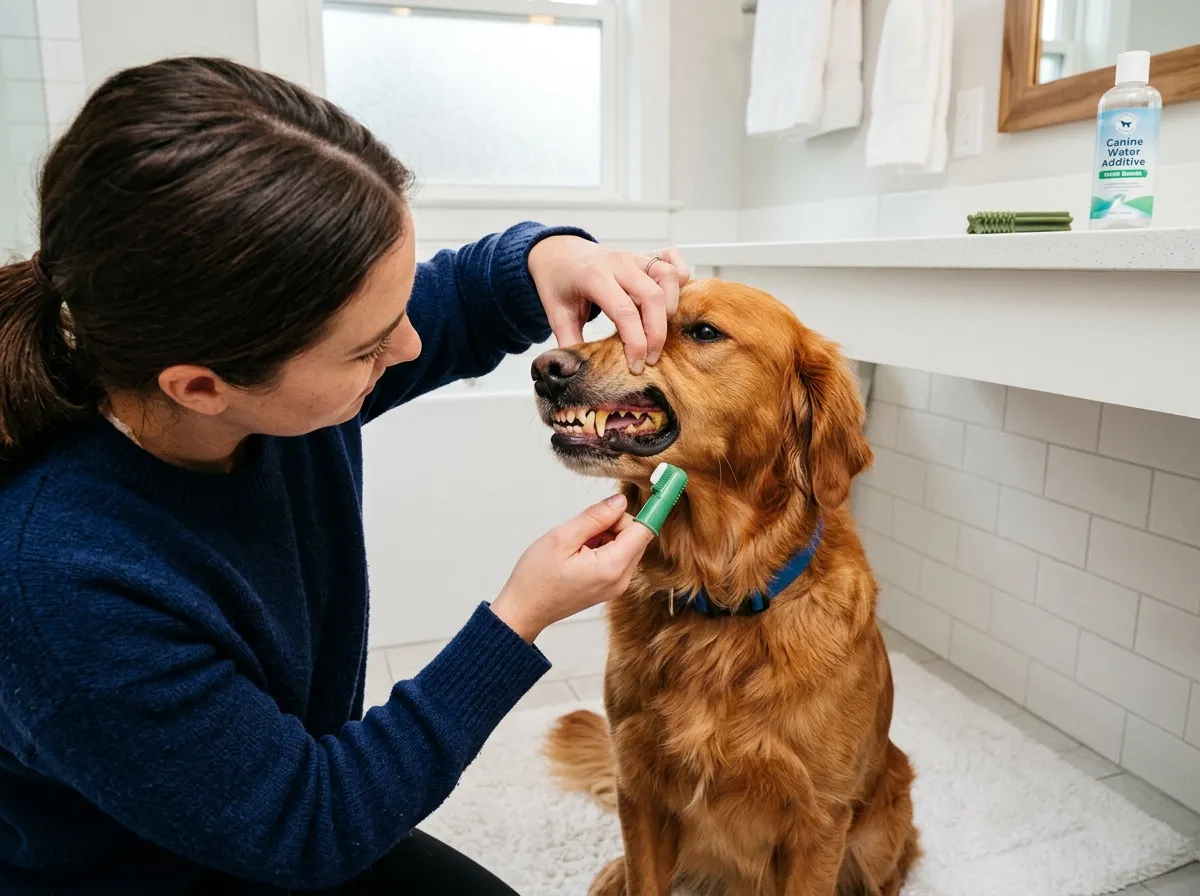
This is the gold standard. You need a dog-specific toothbrush and enzymatic toothpaste (never use human toothpaste, as fluoride is toxic to dogs). Aim for daily brushing. If daily isn't possible, every other day is a good second best. Start slowly, letting your dog lick the toothpaste off your finger, then introduce the brush for short periods. Focus on the outside surfaces of the teeth, especially the back molars.
Consider Water Additives and Oral Rinses
Veterinary-approved water additives, like those from VetriScience or Virbac C.E.T., contain ingredients that help reduce bacteria in the mouth. These are not a replacement for brushing but can be a helpful addition, especially for dogs who resist brushing. Oral rinses or sprays can also offer a temporary breath freshening effect and some bacterial control.
Choose the Right Diet
A high-quality kibble can provide some abrasive action. There are also prescription dental diets, like Hill's Prescription Diet t/d, specifically designed with larger kibble that helps scrape plaque off teeth as your dog chews. Avoid feeding excessive table scraps, especially sugary or highly processed human foods, which contribute to plaque.
Regular Vet Check-ups and Professional Cleanings
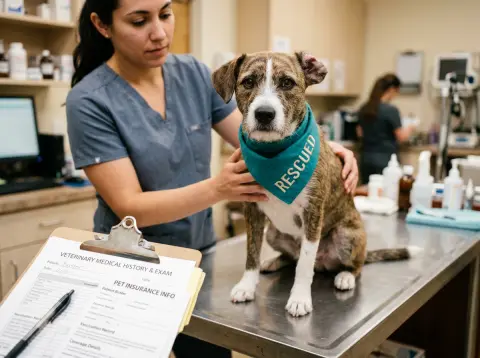
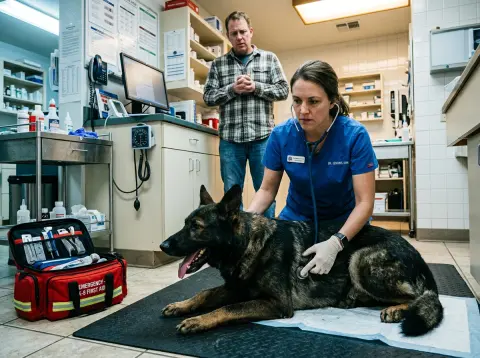
Even with the best home care, most dogs will need a professional dental cleaning under anesthesia at some point. Your vet can assess the overall health of your dog's mouth, clean below the gum line (where most disease hides), and extract any diseased teeth. This can cost anywhere from $300 to $1,000 or more, depending on your location, the extent of the work needed, and pre-anesthetic bloodwork, but it is a critical investment in your dog's long-term health.
| Dental Care Method | Effectiveness | Cost (Approx. Annually) | Notes |
|---|---|---|---|
| Daily Brushing (Vet Toothpaste/Brush) | High (prevents plaque/tartar) | $20 - $50 | Requires consistency and training |
| Veterinary Dental Chews (VOHC approved) | Moderate (reduces plaque) | $50 - $150 | Supplemental, not a standalone solution |
| Water Additives/Oral Rinses | Low to Moderate (freshens breath, reduces some bacteria) | $30 - $80 | Helpful addition, but not primary care |
| Professional Dental Cleaning | Very High (removes existing tartar/disease) | $300 - $1,000+ | Essential for most dogs, done under anesthesia |
Dental Care for Adopted Dogs – A Fresh Start
Providing dental care for an adopted dog often requires a more gentle, patient approach, especially since their past oral health history might be unknown, focusing on building trust while establishing new, healthy habits.
Bringing home an adopted dog means you might not know their dental history. Many dogs arrive at local shelters with neglected teeth, a direct result of their previous living conditions. The shelter staff and volunteers do their best, but often resources are stretched thin. When you are considering adoption, ask the shelter staff about the dog's known dental history. Have they had a dental exam? Are there any visible issues? Even a quick peek can tell you a lot.
My own adopted Staffordshire Bull Terrier mix, Clementine, arrived in San Diego in 2022 with a history of fear-based behaviors. Her breath was fine, but she was terrified of having her mouth touched. Introducing dental care became a months-long project. I started by simply touching her muzzle gently, rewarding with high-value treats like peanut butter. Then I progressed to lifting her lip, eventually adding a tiny bit of toothpaste on my finger. It took nearly six months before she would tolerate a brush for even a minute, but that patient, positive reinforcement approach made all the difference. Now, it's just part of our morning routine.
For a newly adopted dog, the goal is to make dental care a positive bonding experience, not a source of stress. Start slowly. Use lots of praise and treats. If your dog is particularly anxious or mouth-shy, consult with your veterinarian or a certified professional dog trainer for guidance. They can offer strategies tailored to your dog's specific needs.
Remember, bad breath is a sign. It's your dog's way of telling you something is wrong. Paying attention to it and taking proactive steps ensures a healthier, happier life for your companion.
What hidden health issues might your dog's breath reveal today?