New Cat Hiding and Won't Come Out: What to Do
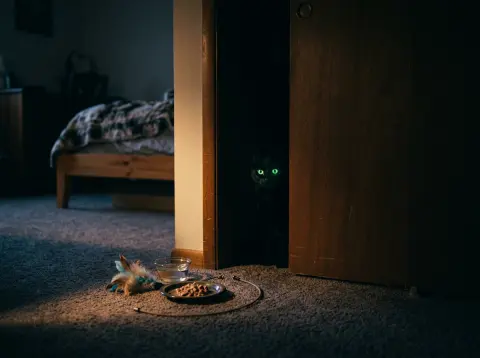
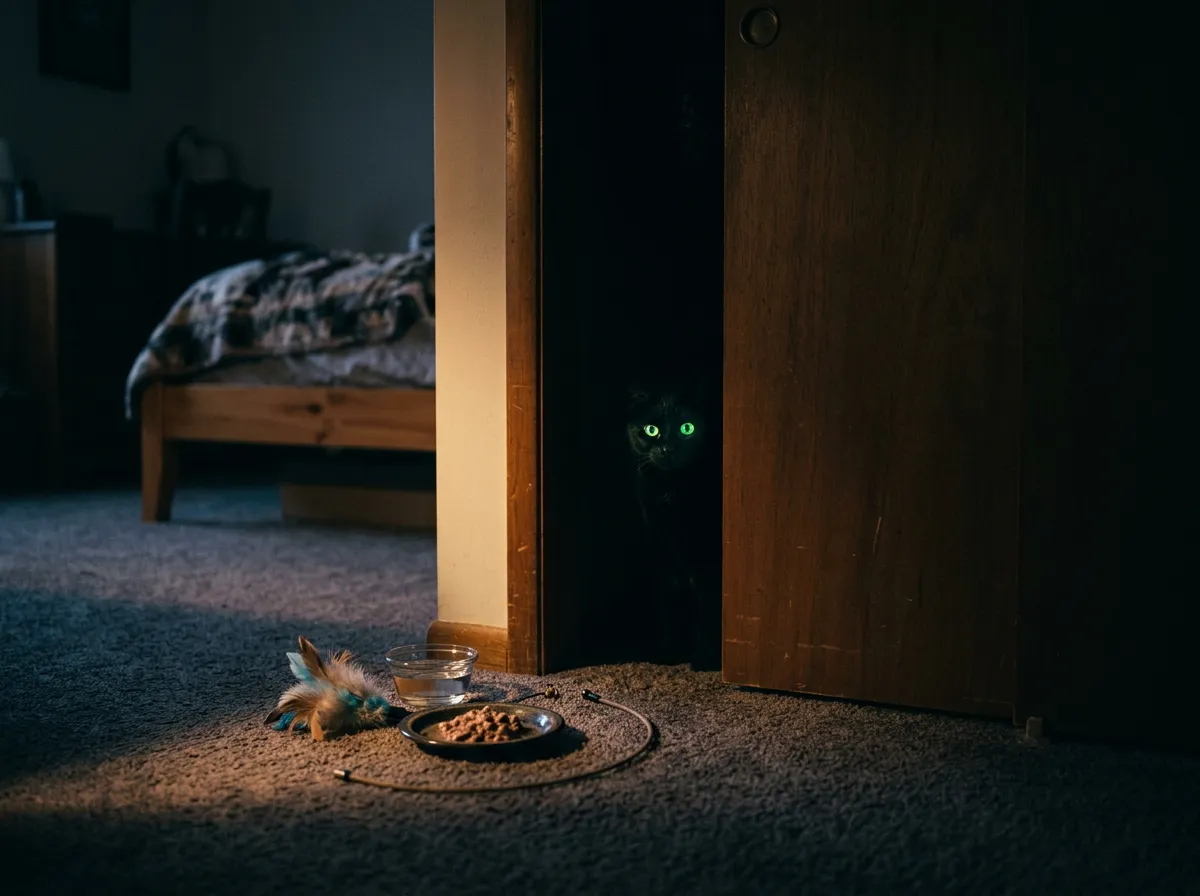
It can be disheartening when you bring home a new cat, full of hope and excitement, only for them to immediately disappear under the couch or behind the washing machine. You might feel worried, like you've done something wrong, or that your new companion will never feel comfortable. But here's the thing: a new cat hiding and not coming out is common, especially for adopted cats. This behavior is usually a sign of fear and a need for security, not a rejection of you. Understanding why it happens and what steps you can take will help your cat transition from hiding to thriving.
The Truth About New Cats Hiding: It's Normal, But There's More To It
Most cats hide when introduced to a new environment, and it's a completely natural survival instinct. Imagine being dropped into a strange place with unfamiliar smells, sounds, and giant creatures (that's you!) moving around. A cat's first response is often to seek cover, to assess the situation from a safe distance. This is particularly true for cats coming from shelters, where they might have experienced stress, loud noises, and constant changes in their surroundings.
I've seen countless cats come into the shelter, terrified and withdrawn. Many of them would stay tucked away in their cubbies for days, sometimes weeks. It's not a sign that they're "unadoptable" or "broken." Instead, it indicates they need extra patience and a carefully structured introduction to their new home. Think about a cat's background: some might have been strays, others rescued from difficult situations, and even those from loving homes can find moving traumatic. Their past experiences, or lack thereof, shape their initial reactions.
One common misconception is that a cat who hides is simply "shy." While some cats are naturally more timid, hiding is often a stress response. It could be due to the sheer overwhelm of a new space, unfamiliar smells from other pets or people, or even past negative interactions. For instance, a cat that was previously chased or startled by children might instinctively hide from any small, fast-moving figures. That's why understanding their history, if the shelter provides it, can give you clues about their specific needs. Even without a detailed background, you can still create an environment that encourages them to feel safe.
Setting Up Their Sanctuary: Beyond Just a Room
Creating a dedicated safe room is the most crucial first step, and it's more than just closing them in a spare bedroom. This space should be quiet, low-traffic, and equipped with everything your cat needs. A small bathroom or laundry room works well because it feels secure and has fewer places for them to disappear completely where you can't reach them if needed. This initial confinement helps them adjust to a smaller, more manageable territory before exploring the whole house.
Inside this sanctuary, you need to provide essentials: food, fresh water, and a litter box, all placed away from each other. Ensure there are multiple hiding spots within this room, not just one. Use cardboard boxes on their sides, cat carriers with the door open, or even blankets draped over chairs to create cozy, dark nooks. Cats feel safer when they have options and can choose their preferred hiding spot. Also, consider vertical space - a cat tree or even a sturdy shelf can offer a sense of security from above, which many cats prefer.
Building familiarity through scent is a technique I highly recommend, especially if you have other pets. Before your new cat even arrives, bring a blanket or towel from your home, particularly one that smells like you and any resident pets. Place it in the new cat's safe room a few days before they get there. This allows them to acclimate to your home's unique scent profile. Once your new cat is settled in their room, take another cloth and gently rub it on their cheeks and sides to pick up their scent. Then, place this scented cloth in your main living area or near your other pets. This subtle exchange helps everyone get used to each other's presence without direct interaction, reducing potential stress down the line. You can repeat this process daily, gradually increasing the exposure.
Many people find pheromone diffusers, like Feliway Classic, helpful during this transition period. These diffusers release synthetic feline facial pheromones, which are natural calming signals cats use to mark their territory as safe. Plug one into the safe room, and another in the main living area, to create a more relaxing atmosphere. While not a magic bullet, they can certainly take the edge off for an anxious cat.
Building Trust When They Won't Come Out: Proactive Steps for Shy Cats
Patience is key, of course, but "patience" doesn't mean ignoring your cat entirely. It means respecting their boundaries while still making your presence a positive one. Initially, spend short periods in the safe room, perhaps 10-15 minutes at a time, simply existing. Read a book, scroll on your phone, or quietly work on a laptop. Don't try to force interaction. Let them see you as a non-threatening, predictable part of their new environment. Speak softly, if at all. Avoid direct eye contact, as a prolonged stare can be perceived as a threat to a cat. Instead, use slow blinks - a sign of trust and relaxation in the feline world.
Food can be a powerful motivator. Offer small, highly palatable treats like Churu tubes or small pieces of Fancy Feast pate from your hand, but only if they approach you. If they won't come out, place the treat a short distance from their hiding spot and then look away. The goal is to associate your presence with positive experiences. For cats that are extremely shy, I've found that leaving a small bowl of wet food near their hiding spot and then sitting quietly across the room can work wonders. Slowly, over days, you can move the bowl closer to yourself. This is a tactic I learned volunteering with particularly fearful cat breeds, like some Maine Coons, who can be quite reserved initially.
Play therapy is another excellent way to build confidence and establish a bond, even with a hiding cat. Use a wand toy with a feather or a soft lure on the end. Sit quietly in the room and dangle the toy near their hiding spot, letting it move like prey. Do not try to force the toy into their space. The idea is to entice them to peek out and engage on their own terms. When they do, even for a moment, it's a huge step. Many cats feel safer and more confident when they are "hunting" because it taps into their natural instincts. A shelter volunteer once told me, "A cat playing is a cat that's starting to relax."
Here's what most people get wrong: they try too hard, too fast. Common adopter mistakes include constantly trying to pet or pick up the cat, bringing too many people into the safe room, or allowing other pets to harass the door. Resist the urge to pull your cat out of hiding, no matter how much you want to cuddle them. Forcing interaction will only set back your progress and reinforce their fear. Always let them initiate contact. Remember, adjustment can take anywhere from a few days to several months, especially for adult cats from a shelter. The average cat might take a couple of weeks to settle, but some need a month or two, so be prepared for a longer journey.
When to Worry: Decoding Your Cat's Signals and When to Call the Vet
While hiding is normal, there are specific signs that indicate your cat might be facing more than just adjustment anxiety. It's important to monitor their behavior closely, especially in the first few days and weeks. Look for these red flags:
- Not Eating or Drinking: If your cat hasn't eaten or shown interest in food for 24-48 hours, or if you haven't seen them drink any water, this is a serious concern. Cats can quickly develop dangerous liver issues (hepatic lipidosis) if they stop eating.
- Not Using the Litter Box: A cat who isn't using the litter box for more than 24-36 hours could be experiencing a medical issue like a urinary tract infection or constipation, or it could be a sign of extreme stress.
- Lethargy and Weakness: If your cat seems unusually sluggish, isn't responding to stimuli, or appears weak when they do move, it warrants immediate attention.
- Vomiting or Diarrhea: Any persistent gastrointestinal upset is a cause for concern and should be checked by a veterinarian.
- Excessive Vocalization or Aggression: While some cats might hiss or growl when scared, constant, distressed meows or an escalation to aggressive behavior when you're simply present could signal pain or extreme fear that requires professional intervention.
- Self-Mutilation: Excessive licking, chewing, or pulling out fur can be a sign of extreme stress, pain, or an underlying medical condition.
Many cats will take a few days to a week to start exploring their safe room more confidently, and a few weeks to a month or two before they feel comfortable enough to venture into other parts of your home. If you notice any of the concerning behaviors listed above, or if your cat is still completely withdrawn and showing no signs of improvement after a week or two, it's time to call your veterinarian. They can rule out any underlying health issues that might be contributing to the hiding behavior. Sometimes, a vet might even suggest anti-anxiety medication for a short period to help a severely stressed cat break through their fear. You can also consult a certified cat behaviorist for tailored strategies if the hiding persists without medical cause.
Remember, bringing a new cat home is a journey, not a sprint. Your patience and understanding are the most powerful tools you have. Focus on creating a secure, predictable environment, and offer gentle, consistent interaction. With time, most hiding cats will learn to trust and emerge from their sanctuary to become a cherished member of your family. For more advice, check out our blog.