Puppy Bladder Control by Age: Hour-by-Hour Chart
Bringing a puppy home means a whole lot of joy, and often, a whole lot of pee. Most people hear the rule "a puppy can hold their bladder for their age in months plus one hour," and while that is a decent starting point, it's not a hard-and-fast law, especially for a puppy from a shelter. Your new family member has been through a big change, and their bladder control will depend on more than just their age. We need to consider their unique journey and give them extra understanding.
Understanding Puppy Bladder Control by Age: The Basics
Puppy bladder control by age is a key part of successful house-training, and generally, young puppies have very little control. Their tiny bladders and developing muscles mean they need frequent trips outside. Think of it less as a strict rule and more as a helpful guideline to set you both up for success. This general rule helps you anticipate their needs, but always be ready for more frequent breaks, especially in the first few days home.
Here's a basic hour-by-hour chart to give you an idea of what to expect, but remember, every puppy is an individual. This table also includes important considerations for puppies adopted from a shelter, as their experience might differ from a puppy raised in a single home environment from birth.
| Puppy Age | Max Hold Time (Day) | Max Hold Time (Night) | Notes for Adopted Puppies |
|---|---|---|---|
| 0-8 Weeks | Every 30-60 minutes when awake | 1-2 hours | Very little control; frequent accidents are normal. Adopted puppies this young need constant supervision and immediate outdoor access. |
| 8-12 Weeks (2-3 Months) | Every 1-3 hours | 3-5 hours | This is often when puppies are adopted. Stress from a new environment can reduce bladder control. Start a strict schedule right away. |
| 12-16 Weeks (3-4 Months) | Every 3-4 hours | 5-7 hours | Control improves, but consistency is still vital. Some adopted puppies may regress if routines change or anxiety increases. |
| 4-6 Months | Every 4-5 hours | 6-8 hours | Many puppies can hold it for longer periods now. Most can sleep through the night. Continue positive reinforcement. |
| 6+ Months | 6-8 hours | 8+ hours | Reliable bladder control is usually established. Can often handle a typical workday schedule, but check-ins are still good. |
Several factors play a role in how long a puppy can hold their bladder. Smaller dog breeds, like Chihuahuas or Miniature Poodles, often have smaller bladders and faster metabolisms, meaning they need to go out more frequently than larger breeds such as a Golden Retriever or a Labrador. A puppy's activity level, how much water they drink, and their general health also influence how often they need to relieve themselves. If your puppy is drinking a lot more than usual, or seems to be struggling, a quick vet visit can rule out health issues like a urinary tract infection (UTI).
From Shelter to Sofa: Potty Training Your Adopted Puppy
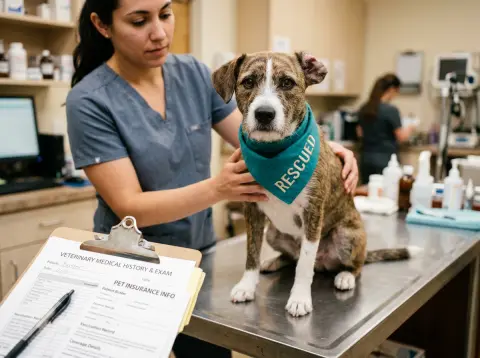
Bringing home an adopted puppy is a wonderful experience, but it comes with unique considerations for potty training. Unlike a puppy raised from birth in a home, your adopted friend might have an unknown history, which can affect their initial bladder control and house-training progress. They could have learned different routines, or perhaps no routine at all, and the stress of a new place can certainly impact their ability to hold it.
The First 48 Hours: Setting the Stage
Look, the first two days are crucial. Your puppy is feeling overwhelmed, and their bladder control might be at its weakest due to anxiety. You need to be proactive. As soon as you get home, take them to their designated potty spot outside. Celebrate enthusiastically when they go. Repeat this every 30-60 minutes, after every nap, after every meal, and before bedtime. Keep them on a leash with you inside the house to prevent accidents and help them bond. This isn't about punishment; it's about teaching them where to go and building trust.
I remember bringing home my second rescue, a little terrier mix named Pip. He was about three months old and terrified. For the first two days, I swear we were outside every 20 minutes. He was so anxious he'd just stand there, even if he clearly needed to go. It took immense patience to just wait him out, quietly praising him the second he started to squat. That consistent, calm presence outside made all the difference.
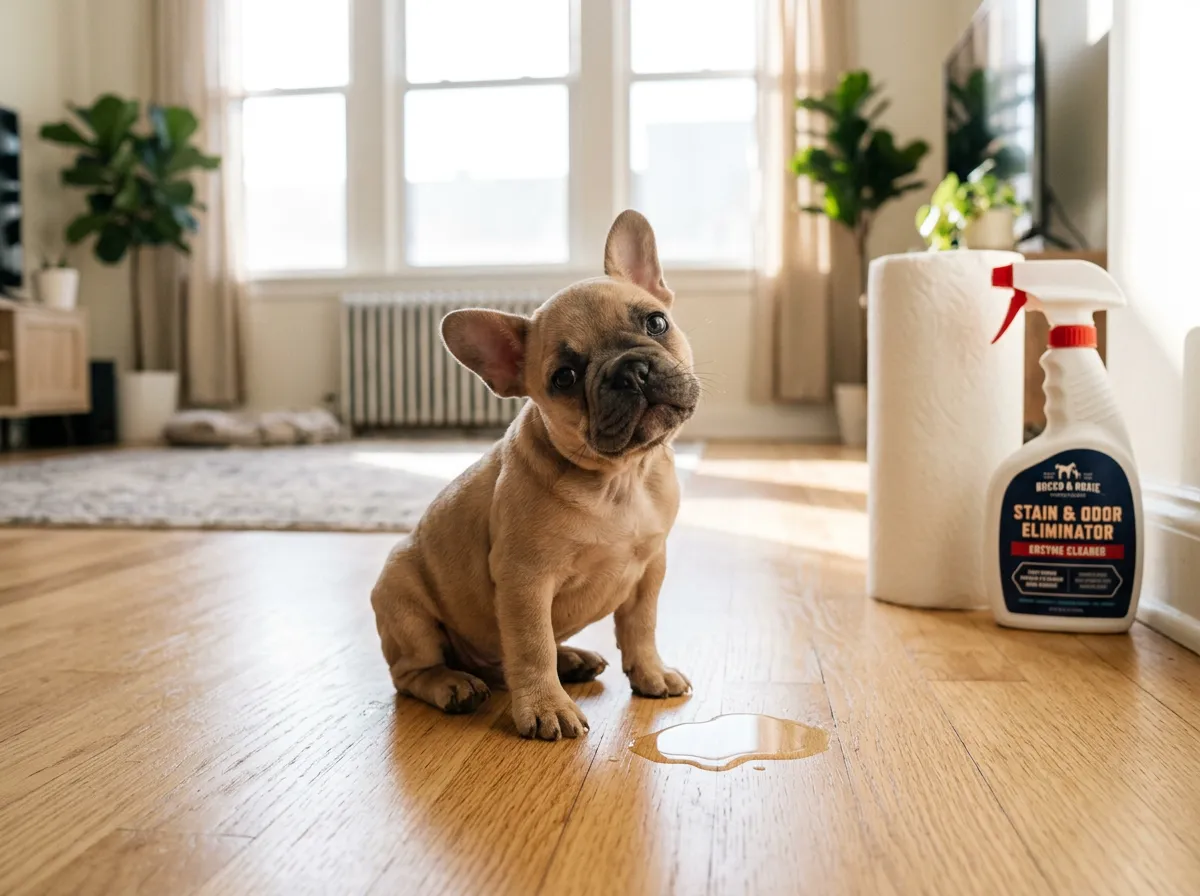
Consistency is key, but so is empathy. Understand that accidents will happen. Do not scold or punish your puppy for an indoor accident. They won't connect the punishment to the act of peeing; they'll only learn to fear you or hide their accidents, which makes training much harder. Clean up thoroughly with an enzymatic cleaner (like Nature's Miracle) to eliminate odors that attract them back to the same spot. This is what most shelter staff will tell you, and it's something I've seen work time and again with hundreds of puppies.
Crate Training: Your Best Tool for Bladder Control
Many people view crate training as cruel, but honestly, it's one of the most effective tools for teaching bladder control and providing a safe den for your puppy. Dogs naturally do not want to soil their sleeping area, so a properly sized crate encourages them to hold their bladder.
Here's the thing about crates: they need to be the right size. Your puppy should be able to stand up, turn around, and lie down comfortably, but not have enough room to pee in one corner and sleep in another. If the crate is too big, they'll just use one end as a bathroom. You can use a divider to adjust the size as your puppy grows. The ASPCA offers excellent resources on proper crate training techniques, emphasizing positive associations.
How long can a puppy stay in a crate? Follow the "age in months + 1 hour" rule as a maximum during the day, but always err on the side of shorter times. For example, a three-month-old puppy can handle about four hours. Never leave a young puppy in a crate for longer than they can reasonably hold their bladder. This defeats the purpose of teaching them to hold it and can lead to frustration and accidents inside the crate, which can be a real setback. At night, puppies can often hold it longer because their metabolism slows down, but they still need to be let out at least once or twice when very young.
I adopted a terrified German Shepherd mix named Luna when she was about five months old. She had never been in a crate before and was very nervous. I spent days feeding her treats in the crate, leaving the door open, letting her explore. Slowly, she learned it was her safe space. The crate was vital for her bladder control, and it gave her a sense of security in a new home. It's not a jail; it's their personal bedroom.
When to Worry: Signs of Trouble and What to Do
While accidents are part of puppyhood, there are times when you should be concerned. If your puppy suddenly starts having many accidents after showing good progress, or if they are straining to pee, going very frequently, or showing discomfort, it's time to call your veterinarian. These can be signs of a urinary tract infection (UTI), bladder stones, or other medical issues. A vet visit for a puppy can cost anywhere from $100 to $300 for an initial check-up and diagnostics, but it's money well spent to rule out health problems.
Sometimes, behavioral issues can cause accidents too. Stress, anxiety, or even submissive urination can lead to unexpected puddles. If your puppy is adopted, they might have separation anxiety, which can manifest as accidents when you leave them alone. Consulting a certified professional dog trainer or a veterinary behaviorist can provide tailored strategies for these more complex situations. Don't give up on them; there's always a solution.
Always remember that patience and positive reinforcement are your greatest allies in puppy bladder control. Every puppy learns at their own pace, and adopted puppies often need a little extra time and understanding to adjust to their new routine and trust their new family. Celebrate every success, learn from every accident, and build a strong bond with your new friend.
So, today, take your puppy out after every nap, every meal, and every play session. Be consistent, be patient, and remember that every successful potty break outside is a step closer to a fully house-trained dog for adoption.