Regret Adopting a Cat? How to Handle the Feeling
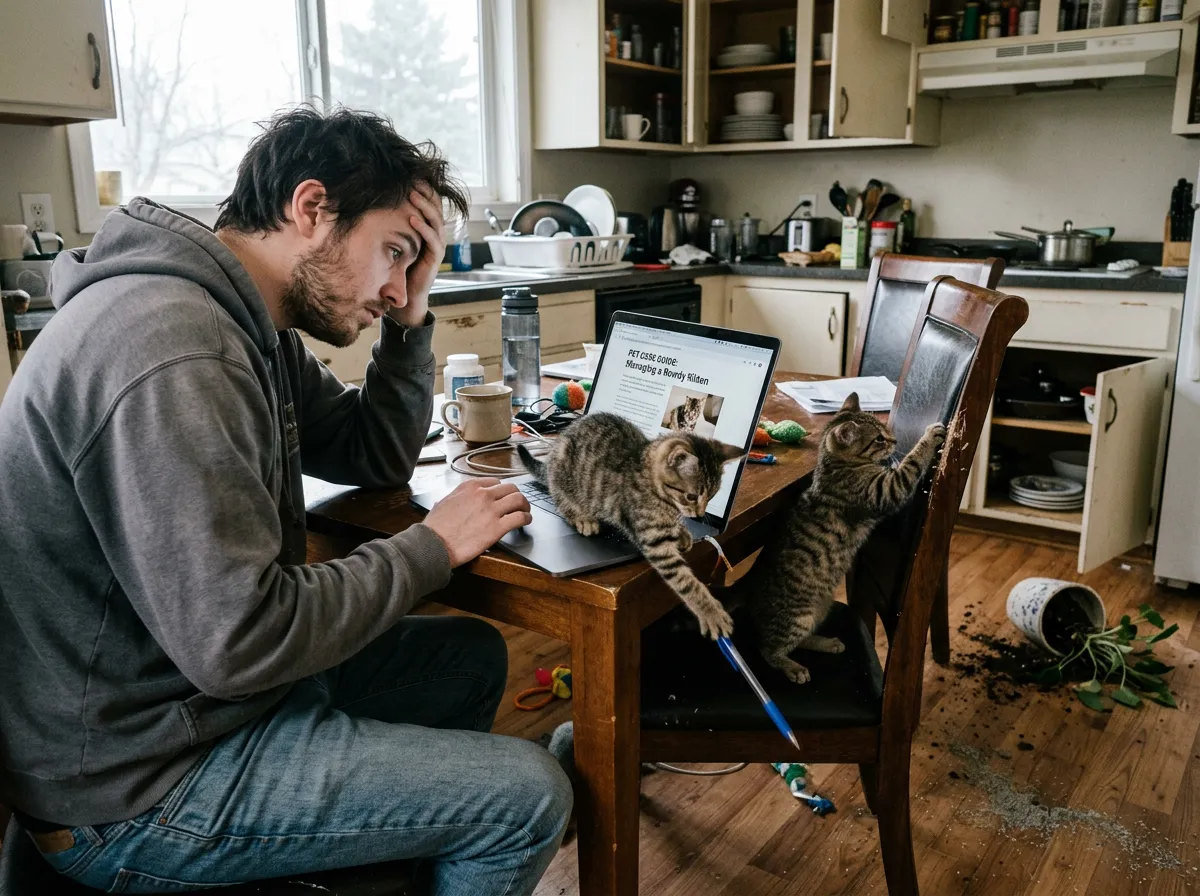
Bringing a new cat home is often pictured as an instant, joyous connection - purrs, cuddles, and endless cuteness. But honestly, for many of us, that's not quite how it goes. If you've recently adopted a cat and find yourself wrestling with feelings of regret, anxiety, or even outright panic, take a deep breath. You are not alone, and these feelings are far more common than most people admit. This isn't a sign you're a bad pet parent; it simply means you're human, and you've just taken on a significant new responsibility. There are concrete steps you can take to move past this difficult phase and build a loving relationship with your new feline family member.
Is This Feeling Normal? Understanding Cat Adoption Regret
Yes, feeling regret after adopting a cat is normal. Many new pet owners experience a moment of panic and even regret during the first few months with their new cat or dog. This isn't a reflection of your character or your capacity for love; it's often a natural response to significant life changes and unexpected challenges. I've volunteered at shelters for eight years, and I've heard countless stories, including my own, of adopters feeling overwhelmed. My first rescue cat, Mittens, spent three weeks under the bed, and I definitely questioned my decision every single day.
Several factors can contribute to these feelings:
- Unexpected Challenges: Cats, even quiet ones, come with needs. There's the time commitment for play and attention, the financial burden of food and vet visits, and potential behavioral issues like scratching furniture or litter box accidents.
- Lifestyle Changes: A new cat means adjusting your routine, your home, and sometimes your social life. Spontaneity can become harder, and some people miss their "old" life.
- Personality Mismatch: Sometimes, the cat you thought you were getting (the playful, cuddly one at the shelter) isn't the cat you have at home (the shy, independent one). This can lead to disappointment.
- Anxiety About Responsibility: The weight of caring for another living being can be heavy. You want to do everything right, and that pressure can be exhausting.
Consider this: the adjustment period for a new cat is rarely instant. It takes time for them to feel safe, and it takes time for you to settle into your new routine. The popular "Rule of Three" offers a good framework for understanding this, though I think it only scratches the surface of what's really happening.
Beyond the "Rule of Three": A Deeper Look at Your Cat's Adjustment
The "Rule of Three" suggests that pets generally take three days to decompress, three weeks to settle into a routine, and three months to feel fully at home. It's a useful starting point, but it's important to understand what your cat is actually experiencing during these stages, and how you can actively support them. This isn't just about waiting; it's about intentional interaction and creating an environment where they can thrive.
Days 1-3: Overwhelmed and Hiding
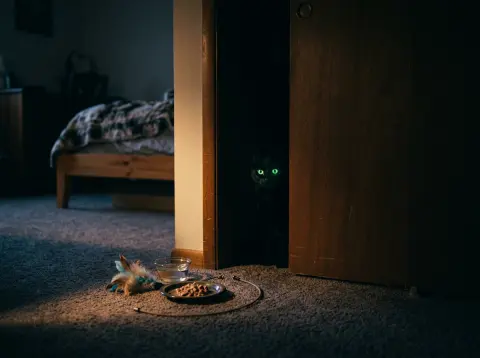
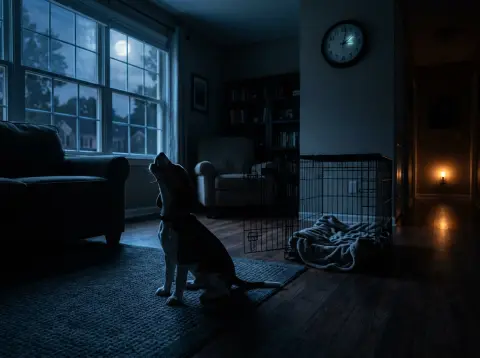
During these initial days, your cat is likely experiencing a sensory overload. They've been removed from a familiar (albeit stressful) shelter environment or previous home, transported, and placed in an entirely new space with unfamiliar sights, sounds, and smells. For a cat, this is a very vulnerable time. They might hide under furniture, refuse food, or seem withdrawn. This is not personal; it's a survival instinct.
- Cat's Experience: Intense fear, disorientation, anxiety. They are trying to assess their new surroundings for safety.
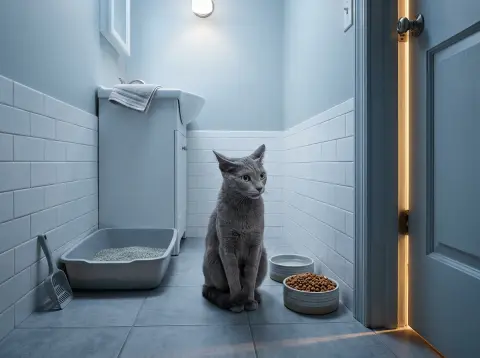
- Your Actions: Provide a quiet, small "safe room" with their food, water, litter box, and a comfy bed. Limit interaction. Let them approach you. Speak softly. Don't force attention. A simple routine for feeding and litter cleaning helps establish predictability. Remember, many cats available for cats for adoption have been through a lot.
Weeks 1-3: Settling into a Routine
As the initial shock wears off, your cat will start to explore their safe room more confidently and may even venture out a bit. They'll begin to understand your routine - when they get fed, when you're around, and what noises are normal. Their personality might start to peek through. You might see some playful behavior, or they might start rubbing against your legs.
- Cat's Experience: Growing confidence, establishing boundaries, testing behaviors. They are learning what's expected and what's safe.
- Your Actions: Maintain a consistent schedule for feeding and playtime. Introduce gentle play with wand toys. Offer positive reinforcement (treats, praise) for desired behaviors. Consider using a feline pheromone diffuser like Feliway in their main living areas, which can help create a calming environment. Slowly introduce them to other parts of the house, one room at a time.
Months 1-3: Fully Acclimated (Mostly)
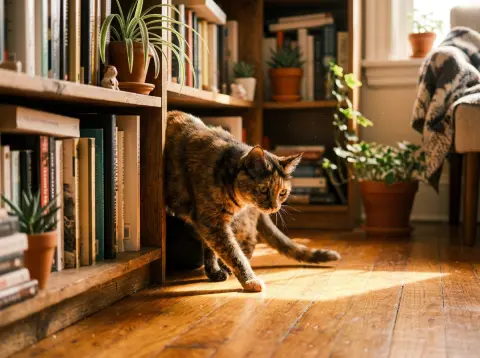
By three months, most cats will have integrated into your home and routine. Their true personality will be evident. They'll feel secure enough to relax, play, and seek affection. This is when the deep bond often forms. However, some cats, especially those from difficult backgrounds or certain cat breeds known for shyness, might take longer. I've had cats take six months or more to feel comfortable enough to sleep on the bed.
- Cat's Experience: Feeling secure, forming attachments, expressing full personality. They consider your home their territory.
- Your Actions: Continue with consistent care and enrichment. Provide scratching posts, cat trees, and puzzle feeders. Address any lingering behavioral issues with positive reinforcement and patience. This is the time to build upon the trust you've established, deepening your bond through regular interaction and understanding their unique cues.
Proactive Steps: Preventing "Paws-Regret" Before It Happens
While this article focuses on handling regret once it arises, a lot of the heartache can be avoided by asking the right questions upfront. I've seen so many returns to local shelters because adopters didn't fully understand what they were signing up for. It's not about finding the "perfect" cat; it's about finding the right match for your lifestyle. Here's a table of essential questions to ask both the shelter staff and yourself before you even bring a cat home.
| Consideration | Questions to Ask the Shelter/Rescue | Questions to Ask Yourself Honestly |
|---|---|---|
| Energy Level | What is the cat's typical activity level? Are they playful, calm, or a mix? How do they interact with toys? | Do I have the time and energy for daily play sessions? Am I prepared for a very active cat, or do I prefer a quieter companion? |
| Social Needs | Does this cat prefer human company, or are they more independent? How do they react to strangers? Are they good with children or other pets? | Am I looking for a lap cat or one that keeps to itself? Do I have other pets or children the cat needs to get along with? |
| Medical History | What is their known medical history? Are there any ongoing conditions or medications? What are their vaccination records? | Am I financially prepared for potential ongoing medical costs? Do I have the time to administer medication if needed? |
| Behavioral Quirks | Have they shown any behavioral issues, such as litter box problems, scratching furniture, or anxiety? How do they react to loud noises? | Can I tolerate a cat that might scratch, spray, or be overly vocal? Am I willing to work on behavior modification? |
| Financial Commitment | What is the adoption fee? What are the typical monthly costs for food, litter, and routine vet care for a cat like this? | Can I realistically afford food, litter, annual vet check-ups (typically $100-200), and potential emergency vet bills (which can be hundreds or thousands)? |
Asking these questions isn't being picky; it's being responsible. The more prepared you are, the less likely you are to experience cat adoption regret down the line.
When Challenges Persist: Getting Support and Considering Options
Sometimes, despite your best efforts, the initial feelings of regret don't fade, or significant behavioral issues arise that feel insurmountable. This is a tough spot, but you still have options. Remember, your goal is a good life for the cat, and a manageable life for you.
Firstly, reach out to your adoption organization. Most shelters offer incredible post-adoption support. They often have behavioral specialists on staff or can connect you with resources. They know the cat's history better than anyone and want to see the adoption succeed. Many have a return policy, and utilizing it is not a failure; it's a responsible choice when a match isn't working out. I've personally helped adopters work through everything from litter box issues to aggression, and sometimes just talking through it helps.
Secondly, schedule a vet visit. A sudden change in behavior, like aggression or inappropriate urination, can often be a sign of an underlying medical issue. Your veterinarian can rule out health problems and offer advice on managing stress or anxiety in cats. The American Veterinary Medical Association (AVMA) has great resources on feline health and behavior.
Thirdly, consider a certified feline behaviorist. If issues persist after medical clearance, a professional can assess your cat's environment and behavior patterns, offering tailored solutions. This is an investment, but it can be life-changing for both you and your cat.
Finally, let's talk about self-care. It's easy to feel guilty or selfish when you're struggling with a new pet. But you can't pour from an empty cup. Give yourself permission to take breaks, ask for help from friends or family, and acknowledge that this is hard. If, after exploring all avenues, you find that you cannot provide the home your cat needs, responsible rehoming is an option. Contact the original shelter first; they are best equipped to find another suitable home. Abandoning a pet is never the answer, but working with trusted organizations to find a better fit is an act of kindness. Making this decision is difficult, but sometimes it is the most compassionate choice for everyone involved.
If you're feeling cat adoption regret, the single most important step you can take today is to contact the organization where you adopted your cat. They are your best resource and are there to help you through this. You're not alone in this journey, and there is support available. For more advice and stories, check out our blog.