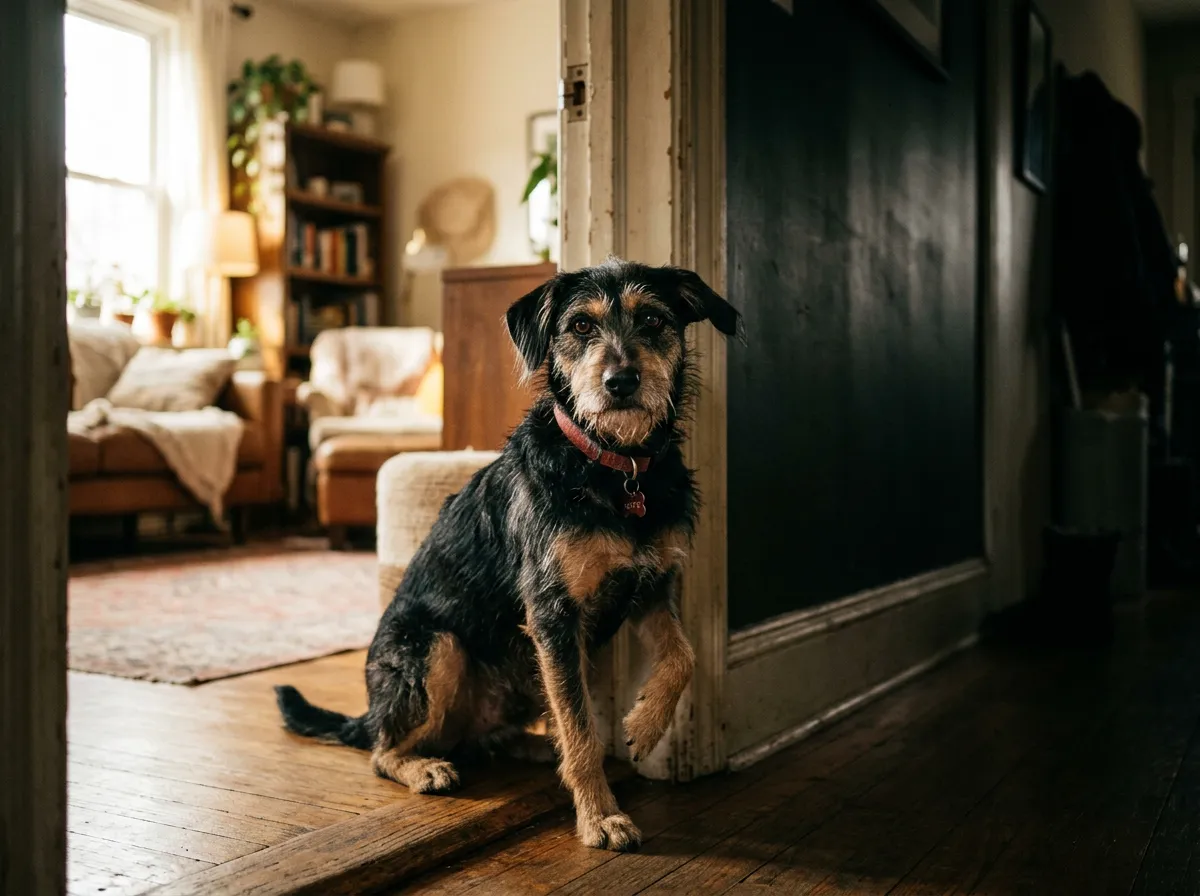
Rescue Dog Behavior Changes Week by Week
Bringing a rescue dog home is a mixture of pure joy and a little bit of nervous anticipation. You have visions of instant, happy walks and snuggles, but the reality for many adopted dogs is a gradual journey of adjustment. Understanding your rescue dog's behavior changes week by week is key to building a strong bond and helping them thrive in their new environment.
The First Few Days: Decompression and Quiet Observation
During the initial few days, your rescue dog is primarily focused on decompressing from the shelter environment and processing an entirely new world. They are likely overwhelmed, possibly fearful, and may hide or be very subdued, which is completely normal. Think of it as a significant culture shock, where every sight, sound, and smell is unfamiliar and potentially scary.
Here's the thing: their stress hormone cortisol spikes when they enter a new situation, and it takes time for those levels to drop. Most dogs will be quiet, perhaps not eating much, and might not even make eye contact. My first rescue, a shy Shepherd mix named Luna, spent her first two days mostly under the kitchen table. She would only come out for quick potty breaks and a few bites of food when I wasn't looking directly at her.
Your primary goal during this period is to provide safety and predictability. Limit visitors, offer a quiet, designated space (like a crate or a sectioned-off room), and establish a simple routine for potty breaks and meals. Do not force interaction; let them come to you. This quiet period lays the groundwork for trust. The local shelters and foster parents work hard to prepare dogs, but the transition is still a big deal.
- Behavior You Might See: Hiding, lethargy, loss of appetite, irregular potty habits, minimal interaction, pacing, panting.
- Your Role: Provide a safe, quiet space, consistent routine, gentle reassurance, and lots of patience.
- What Not to Do: Overwhelm with too many new people, places, or activities. Don't push for affection.
Weeks One to Three: Settling In and Testing Boundaries
By weeks one to three, your rescue dog will typically begin to learn household routines, gain some confidence, and might even start testing boundaries as they feel safer. This is often when the "honeymoon period" ends, and you start seeing more of their true personality - and sometimes, some unexpected behaviors.
Many new owners get worried when their previously "perfect" rescue dog starts acting out. Perhaps they begin barking at the mail carrier, chewing on forbidden items, or showing signs of separation anxiety when you leave. Here's what most people get wrong: this isn't a bad sign. It's often a good one! It means they feel secure enough to let their guard down and show their authentic self, including any insecurities or habits they picked up before coming to you.
For instance, my second rescue, Gus, was a dream for the first two weeks. Then, suddenly, he started counter-surfing and digging in the trash. It felt like a step backward, but a seasoned shelter volunteer told me, "He's just showing you he trusts you enough to be himself." This phase is crucial for gentle, consistent training. Use positive reinforcement and clear communication. If your dog is showing signs of separation anxiety, like destructive chewing or excessive barking when left alone, consider starting with very short absences and gradually increasing them, making your departures and arrivals low-key. For help with training, resources like the ASPCA offer excellent guides on common behavior issues.
Approximately 2 million dogs are adopted from U.S. shelters annually, and while many adjust quickly, some take longer. Understanding this natural progression helps reduce the national average return rate of about 15% for adopted dogs.
| Behavioral Change | What It Means | Your Action |
|---|---|---|
| Increased energy, playfulness | Dog feels safer and more comfortable. | Engage in gentle play, short walks. |
| Testing limits (e.g., counter-surfing, barking) | Dog trusts you enough to show true self, seeking consistency. | Implement clear rules, positive reinforcement training. |
| Mild separation anxiety | Developing attachment, but unsure you'll return. | Practice short absences, calm departures. |
Months One to Three: Trust, Bonding, and True Self
Over months one to three, your rescue dog will generally feel secure, deepen their bond with you, and their true personality will emerge as they fully settle into your home. This is often when you see the dog they were meant to be, with their unique quirks and affections fully on display. The routines you've established become second nature, giving them a sense of stability they might not have had before.
One study found that 100% of owners reported their adopted dog had adjusted well to their forever home by the six-month mark. This three-month period is where most of that significant progress happens. You'll notice a stronger connection, more willingness to learn, and greater comfort in various situations. They'll start seeking you out for comfort and play, and their body language will be more relaxed - a loose wag, soft eyes, and a confident stride.
Still, some dogs may experience behavioral changes at various time points up to 180 days, including increases in stranger-directed aggression or training difficulty. This is not a failure on your part, but a sign that deeper-seated issues might be surfacing now that they feel safe enough to express them. This is a great time to explore more advanced training classes or consult with a certified professional dog trainer. For specific dog breeds, certain behaviors like herding or guarding might become more apparent, requiring tailored management strategies.
Continue to build on the foundation of trust and consistency. This is also a good time to introduce new experiences gradually, such as car rides, visits to quiet parks, or meeting new, calm people, always ensuring their comfort and safety. Remember that every dog is an individual; while the "3-3-3 rule" is a helpful guideline, it's just that - a guideline. Some dogs, especially those with significant trauma or neglect, will take longer.
Beyond Three Months: The Long Haul and Individual Journeys
While many rescue dogs adjust within three months, some require six months to a year, or even longer, to fully adapt, especially if they have a history of severe trauma or neglect. This extended timeline is often overlooked in popular advice, but it's a reality for many adopters. Don't feel discouraged if your dog isn't "perfectly adjusted" at the three-month mark; true healing and trust can take time.
My third rescue, a scruffy terrier mix, took almost a full year to relax. He had been a stray for a long time and was extremely wary of men and sudden movements. Even after three months, he would still flinch if I reached for him too quickly. This required an immense amount of patience, very slow introductions to new people, and consistent positive experiences. We worked on building his confidence with simple obedience tasks and counter-conditioning exercises for his fears.
If you're still seeing concerning behaviors - like intense fear, aggression, or severe separation anxiety - after several months, it's a good idea to seek professional help. A veterinarian can rule out any underlying medical conditions affecting behavior. After that, a certified professional dog trainer or a veterinary behaviorist can provide tailored strategies. Organizations like the American Veterinary Medical Association (AVMA) offer resources to find qualified professionals.
Your long-term commitment is the most powerful tool. Continue with consistent routines, positive reinforcement, and a calm home environment. Celebrate the small victories, like a relaxed sigh or a playful nudge. Remember that the bond you're building is worth every extra bit of effort. If you're looking for more tips or just some heartwarming stories, check out our blog for additional resources and shared experiences.
Considering adoption is one of the most rewarding decisions you can make. The journey of watching a rescue dog bloom in a loving home is special. Be patient, be consistent, and most importantly, be kind to yourself and your new dog throughout the process.