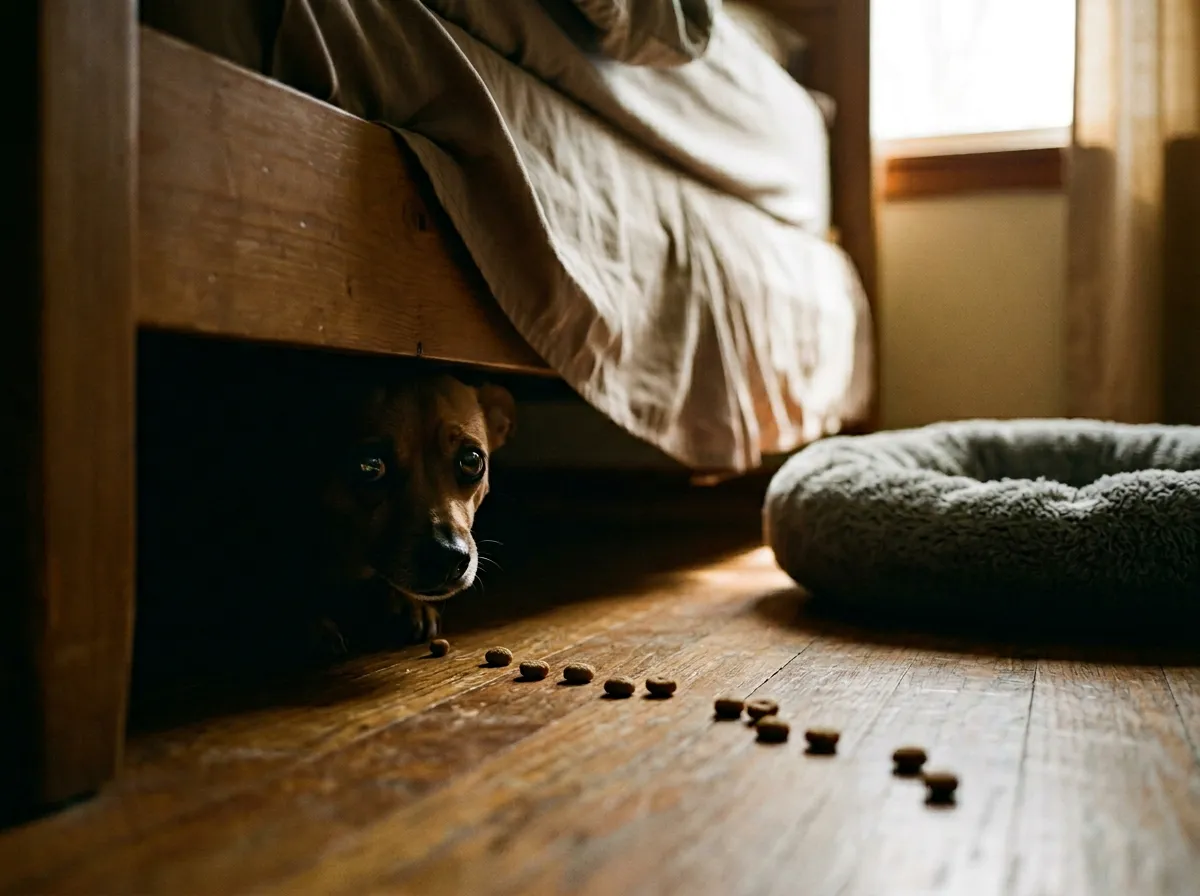
Rescue Dog Hiding and Won't Come Out: Help Guide
Bringing home a rescue dog is an exciting moment, full of hope and anticipation. Yet, for many new adopters, that joy can quickly turn to worry when their new rescue dog is hiding and won't come out, retreating into a corner, under furniture, or even refusing to leave their crate. This behavior is common, and while it feels unsettling, it’s a normal reaction for a dog adjusting to a completely new world after the stress of a shelter environment. You can help your dog feel safe and loved with patience and a structured approach.
The First 48 Hours: Guiding Your Rescue from Kennel to Comfort Zone
The first two days are critical for a rescue dog, setting the tone for their entire adjustment period. Many people expect immediate cuddles and tail wags, but the reality for a dog coming from a shelter is often shock and fear. The best thing you can do during these initial hours is to create a predictable, low-stress environment. I remember bringing home my second rescue, a scruffy terrier mix named Pip, who spent his entire first day tucked behind the toilet. It was disheartening, but I knew forcing him out would only make things worse.
Before your dog even arrives, set up a designated safe space. This might be a quiet room, a large crate, or a corner of a less-used area of your home. Provide a comfortable bed, a water bowl, and a few chew toys. Keep this area free from high traffic and loud noises. Make sure it's easy for your dog to enter and exit this spot without feeling trapped. Having a blog post about setting up a home for a new dog is always helpful.
Upon arrival, resist the urge to parade your new family member around or invite all your friends over. Keep the journey home calm and quiet. Once inside, lead your dog directly to their pre-prepared safe space. Leave them alone there for a while. Don't stare at them, don't try to pet them, and don't try to coax them out immediately. Simply let them explore the space on their own terms. Offer a high-value chew, like a Kong filled with peanut butter, or scatter a few treats on the floor near their bed. This helps them associate the new space with positive experiences.
Many shelters, like the ASPCA, stress the "decompression" period - a time for your rescue to unwind and process their new surroundings without pressure. This can last for days or even weeks. During this time, limit interactions to essential care: feeding, potty breaks, and short, calm check-ins. Your dog needs to learn that their new home is safe, and that you are not a threat. Remember, approximately 6.3 million animals enter shelters annually in the US, and each one carries a unique history that shapes their reaction to a new home.
Decoding the Quiet: What Your Hiding Rescue Dog's Body Language is Really Saying
A dog that is hiding is communicating fear, anxiety, and a need for space. It is not being stubborn or trying to be difficult. Understanding their subtle signals can help you respond appropriately and build trust. My first rescue, a shy Shepherd mix, would often turn her head away and lick her lips when I approached too quickly. It took me a while to learn to recognize these subtle cues.
Look for more than just physical hiding. Your rescue dog might show other signs of stress even when they eventually venture out. These can include a tucked tail, flattened ears, yawning (when not tired), lip licking, turning their head away, avoiding eye contact, or a stiff body posture. Sometimes, they might even freeze in place or tremble slightly. These are all indicators that your dog is feeling overwhelmed and needs you to back off. Ignoring these signals can cause your dog to escalate their fear response, potentially leading to growling or snapping as a last resort.
Conversely, a relaxed dog will have a loose body, soft eyes, and possibly a slightly open mouth. Their tail might wag loosely, or simply hang in a natural position. When your hiding dog eventually peeks out or takes a step forward, watch for these positive signs. Acknowledge them with a soft, calm voice and a treat tossed gently in their direction, but avoid rushing towards them or making sudden movements. The goal is to let them initiate contact and feel in control of the interaction.
Here's the thing: many people are advised never to coax a fearful dog. And while forcing interaction is wrong, sometimes a very gentle, quiet invitation can work. If your dog is hiding, sit quietly a few feet away, facing slightly sideways (not directly at them), and softly talk or hum. Toss a treat near them, then look away. If they come out and take it, that’s a win. You're inviting, not demanding. This is a subtle but important distinction when working with a fearful dog.
Creating a Sanctuary: Setting Up for Success and Building Trust
A safe, predictable environment is the foundation for helping a hiding rescue dog gain confidence. This goes beyond the initial 48 hours and becomes a long-term strategy. Your dog needs to know what to expect and where they can retreat if they feel overwhelmed. Consistency is key in building their trust in you and their new home.
Establish a clear daily routine for feeding, potty breaks, and any short, calm interactions. Dogs thrive on predictability. Feed them at the same times each day and take them out for potty breaks on a consistent schedule. This helps them feel secure and reduces anxiety about the unknown. I found that even a simple schedule helped my more anxious dogs for adoption learn to relax quicker.
Use positive reinforcement exclusively. When your dog makes a small step forward - maybe they take a treat from your hand, or they come out from under the bed for a moment - mark that behavior with a soft "good dog" and a high-value treat. Small pieces of cooked chicken, cheese, or hot dogs work wonders. Avoid punishment or scolding, as this will only increase their fear and make them retreat further. Remember, your goal is to create positive associations with you and their new home.
Consider using calming aids. Products like Adaptil pheromone diffusers or collars release synthetic dog appeasing pheromones, which can help reduce stress and anxiety. Some people also find calming music playlists (specifically designed for dogs) to be helpful. While these aren't magic fixes, they can provide a subtle layer of comfort for an anxious rescue. Always consult your veterinarian before using any supplements or medications for anxiety.
One common mistake is inviting too many people over too soon. Limit visitors for the first few weeks, especially if your dog is still hiding. Each new person is a potential threat in your dog's eyes. When you do have guests, instruct them to ignore your dog completely, letting the dog approach them if and when they are ready. This can be challenging for well-meaning friends, but it is vital for your dog's progress.
Beyond the Blanket: Long-Term Strategies for Building Confidence in Your Shy Rescue
Helping a deeply fearful or hiding rescue dog can be a long journey, but every small step forward is a victory. Don't expect a quick fix; some dogs take months or even a year to fully settle and show their true personalities. My most recent cat adoption, a little black cat named Luna, hid under my bed for three weeks straight. Now she's a lap cat, but it took time and patience.
Gradual exposure is essential. Once your dog is comfortable in their safe space and starting to venture out, you can slowly begin to introduce them to new experiences. Start with very short, quiet walks in a low-traffic area, building up duration and exposure to new sights and sounds over time. Introduce new people one at a time, always using the "ignore the dog" method. Keep these experiences positive and short, ending before your dog shows signs of stress.
Tracking progress can be motivating. Keep a small journal or a simple note on your phone. Write down small wins: "Today, Fido came out for a treat," or "Fido walked past the living room without ducking." This helps you see how far you've come, especially on days when you feel frustrated. It is easy to forget the progress made when you are focused on the ultimate goal.
When is it time to seek professional help? If your dog's hiding behavior persists for several weeks without any improvement, or if it seems to be getting worse, it's wise to consult a professional. First, schedule a vet visit to rule out any underlying medical conditions that might be causing pain or discomfort, which can manifest as fear or withdrawal. After that, seek out a certified professional dog trainer or a veterinary behaviorist. Organizations like the AVMA can help you find qualified behaviorists in your area. They can offer tailored strategies and potentially recommend anxiety medications if needed. Sometimes, the issue is more than just adjustment; it might be a deeper anxiety that requires targeted intervention.
Managing a multi-pet household with a fearful rescue dog requires extra care. Introductions should be slow and supervised, ideally through a barrier like a baby gate, allowing them to sniff and see each other without direct contact. Never force interactions between pets, as this can create negative associations and potentially lead to aggression. Give the new rescue their own space and feed them separately to avoid competition and stress. You can find more advice on local shelters' websites.
Remember, your rescue dog has been through a lot. They need a consistent, calm advocate in you. The process of helping a rescue dog hiding and won't come out requires immense patience, but the bond you build through this journey is rewarding. Start by ensuring your dog has a safe, quiet retreat in your home today.