Rescue Dog Peeing in the House: Causes and Fixes
Does it feel like your new rescue dog is intentionally marking your favorite rug, despite all your efforts to housetrain them? It's a common, often frustrating, experience, but here's a spoiler alert: your rescue dog peeing in the house is almost never an act of spite, and it's certainly not a sign they don't love you.
Instead, it's a communication breakdown or a physical need, and understanding that distinction is the first step toward a dry home.
Why is my rescue dog peeing in the house, even after I take them outside?
Your rescue dog peeing in the house can stem from a complex mix of medical, behavioral, and environmental factors, often exacerbated by the stress of a new home and an unknown past. It's crucial to rule out health issues first, as a urinary tract infection (UTI) or other medical condition is a surprisingly common culprit, accounting for many instances of inappropriate urination.
Think of it this way: when a dog arrives from a shelter, they've been through a lot. They might have lived in a kennel where potty habits were inconsistent, or they might have been a stray with no concept of "inside" versus "outside." Some dogs, especially those from puppy mills, have never learned to hold it at all, as they were forced to live in their own waste. Other times, it's stress. A new environment, new people, new smells, and a new routine can trigger anxiety, leading to submissive urination or excitement peeing, particularly during greetings or when they're overwhelmed. For example, I fostered a scruffy Schnauzer mix named Gus who came from a hoarding situation in Albany two years ago. He was so terrified of loud noises that any sudden sound would cause him to leak, not even a full stream, just a little puddle of fear.
Beyond anxiety, territorial marking is another common behavioral cause, especially in multi-pet households or if there are intact animals nearby. Both male and female dogs can mark, though it's more common in unneutered males. Consider also a lack of prior housetraining - many rescue dogs simply weren't taught. And then there are age-related issues; an older dog might have arthritis that makes holding it or getting outside quickly painful, or they might be experiencing incontinence due to weakened bladder muscles. The American Veterinary Medical Association (AVMA) consistently highlights UTIs as one of the most common reasons for inappropriate urination, and studies suggest that adjustment periods for rescue dogs can take anywhere from a few weeks to several months.
How can I effectively potty train my rescue dog and prevent accidents?
Effectively potty training your rescue dog and preventing accidents requires a consistent, patient, and proactive approach, treating them as if they were a puppy learning from scratch. The immediate first step is always a vet visit to rule out any underlying medical conditions like a UTI, bladder stones, or even diabetes, which can all cause increased urination. Once cleared medically, establish an ironclad routine for potty breaks: first thing in the morning, after every meal and drink, after waking from naps, after playtime, and right before bed.
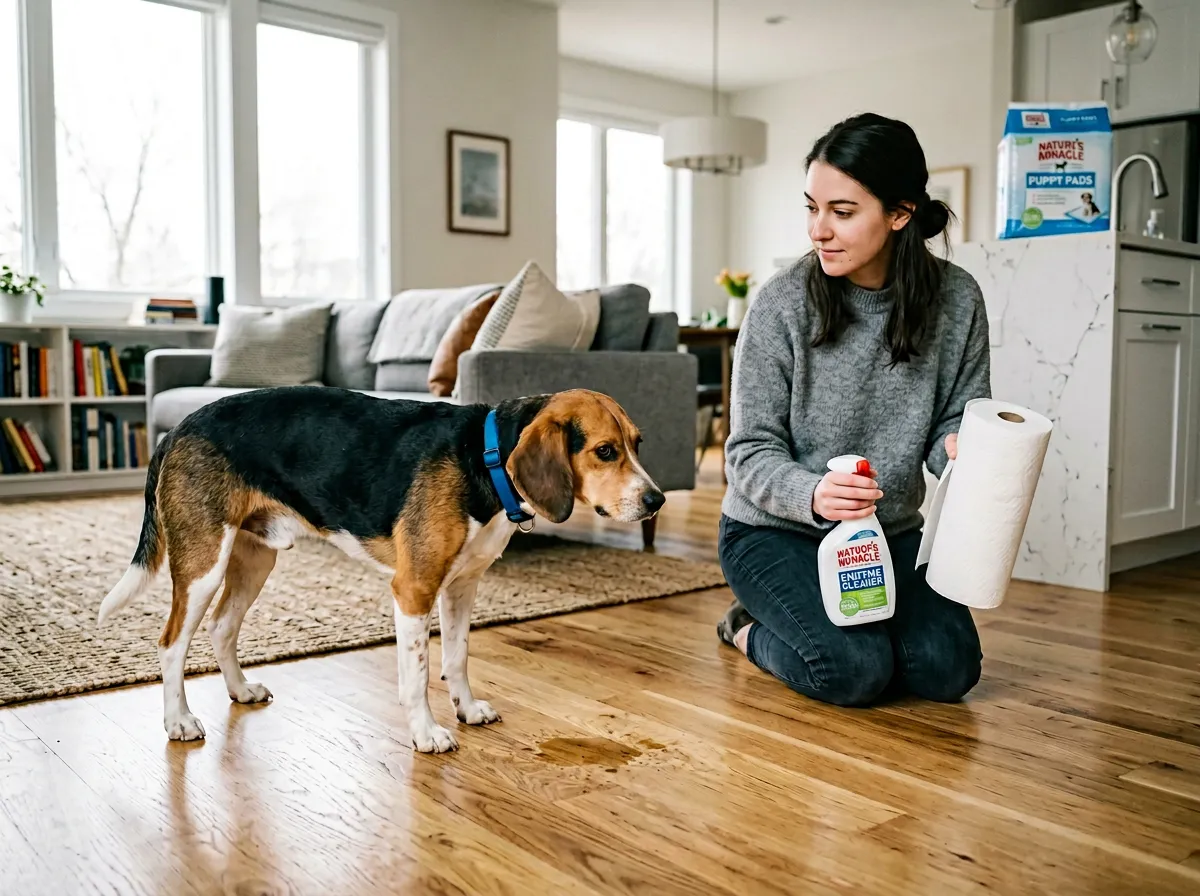
Supervision is your best friend during this period. Keep your dog on a leash with you inside the house, or confined to a dog-proofed area like a kitchen with easy-to-clean floors. Crate training can be effective, as most dogs naturally avoid soiling their sleeping area. Just ensure the crate is appropriately sized - large enough to stand, turn around, and lie down comfortably, but not so large that they can use one end as a bathroom. When you take your dog outside, go to the same spot every time, use a consistent verbal cue like "Go potty!" and reward them instantly with high-value treats and praise the moment they finish eliminating. Never, ever punish your dog for an indoor accident. Scolding only teaches them to fear you and hide their accidents, making the problem harder to fix. Instead, clean thoroughly with an enzymatic cleaner (like Nature's Miracle or Rocco & Roxie Supply Co. Stain & Odor Eliminator) to remove all traces of odor, which prevents your dog from being drawn back to the same spot.
Here's a sample 30-Day Potty Training Plan for Your Rescue Dog:
- Day 1-3: Vet Check and Observation
- Action: Schedule a vet visit immediately. Begin observing your dog's patterns: when do they eat, drink, sleep, and when do they have accidents?
- Expected Result: Rule out medical issues. Gain initial insights into their natural rhythms.
- Week 1-2: Routine and Supervision
- Action: Implement a strict potty schedule (every 2-3 hours initially, plus after waking/eating/playing). Keep dog leashed or crated when not actively supervised. Reward lavishly for outdoor success.
- Expected Result: Dog begins to understand the routine and associate outdoor elimination with positive reinforcement. Accidents decrease.
- Week 3-4: Expanding Freedom and Proofing
- Action: Gradually increase supervised indoor freedom. Continue consistent potty breaks. Introduce short periods of unsupervised crating. Practice "go potty" cue in different outdoor environments.
- Expected Result: Dog shows reliable outdoor elimination. Can hold bladder for longer periods.
- Month 2-3: Consistency and Reinforcement
- Action: Maintain the routine. Address any lingering anxiety with calming aids or professional behaviorist advice if needed. Slowly increase unsupervised time.
- Expected Result: Dog is reliably housetrained. Accidents are rare and usually attributable to owner oversight.
What if my rescue dog's house-soiling persists despite training?
If your rescue dog's house-soiling persists despite a consistent routine, thorough medical clearance, and positive reinforcement training, it's time to consider more advanced strategies and professional intervention. Sometimes, the trauma a dog experienced before coming into your home runs deep. A dog from a neglectful situation might have learned that there's no "right" place to go, while a puppy mill survivor might have a chronic inability to hold their bladder due to early-life conditions. These aren't quick fixes; they require immense patience and often, specialized help.
Consider consulting a certified professional dog trainer or a veterinary behaviorist. These experts can assess the specific nuances of your dog's behavior, past history (if known), and home environment to create a tailored plan. They might suggest specific anxiety medications in conjunction with behavior modification, especially for severe cases of separation anxiety or generalized anxiety disorder where the dog pees when left alone. Desensitization and counter-conditioning techniques can help dogs who urinate out of fear or excitement. For dogs that mark, neutering (if not already done) can reduce the urge, but it's not a guaranteed fix. In multi-pet homes, managing access to certain areas or even using belly bands for male dogs can help manage marking while you work on the underlying behavioral issues. The thing is, dogs are not robots, and some carry the weight of their past in ways that manifest physically.
It's a difficult truth, but many dogs end up back in local shelters because their adopters simply cannot cope with persistent house-soiling. I've seen countless cases during my 20+ years fostering where a sweet dog, perfectly adoptable in every other way, is surrendered because of accidents. It’s heart-wrenching, knowing that with a little more understanding or professional support, many of these situations could be resolved. Sometimes, the emotional toll of dealing with a dog's past trauma through their behavior is just too much for a new owner, and the cycle continues.
Are there common mistakes owners make when dealing with a rescue dog peeing in the house?
Yes, there are several common mistakes owners make when dealing with a rescue dog peeing in the house, but the most prevalent and damaging one is punishing the dog after an accident has occurred. This reaction, while understandable in the moment of frustration, is entirely counterproductive; your dog cannot connect your anger now to something they did five minutes ago. All it teaches them is to fear you and potentially hide when they need to go, making it harder for you to catch them in the act and redirect them appropriately.
Another frequent error is not taking the dog out often enough or not staying outside long enough. Many owners rush the process, expecting the dog to go immediately. Sometimes, it takes a good 10-15 minutes of sniffing and wandering for a dog to feel comfortable enough to eliminate, especially in a new environment. I remember fostering a timid Beagle named Penny who arrived at a shelter in Tulsa last year. Her previous owner had only let her out for two minutes at a time. It took me weeks of patient, extended outdoor sessions - sometimes 20 minutes at a stretch - before she understood she had permission to relax and relieve herself. Owners also often fail to clean accidents thoroughly enough; using just soap and water leaves behind residual odors that are undetectable to humans but act like a giant "potty here" sign for dogs, encouraging them to re-soil the same spot. Investing in a good enzymatic cleaner is not optional; it's essential. Finally, giving a new rescue dog too much freedom too soon is a recipe for disaster. Until you're confident in their housetraining, they should be either actively supervised, crated, or confined to a small, easy-to-clean area. Patience, structure, and positive reinforcement are the pillars of success for any dog for adoption learning to live in a home.
Addressing a rescue dog peeing in the house requires understanding, consistency, and professional guidance when needed.