Rescue Dog Resource Guarding Food: Safe Solutions
I remember a scruffy Terrier mix named Finn who arrived at the Baltimore shelter where I volunteered a few years back. He was sweet with people until food was involved- then he would stiffen, growl, and snap if you even looked at his bowl. This was not aggression for aggression's sake; it was pure, unadulterated fear born from a past where food was scarce and competition was fierce.
Understanding this distinction changes everything about how you approach solutions for dogs for adoption.
Understanding Rescue Dog Resource Guarding Food
Rescue dog resource guarding food is when your adopted dog acts defensively to protect their meal or treats from perceived threats, typically people or other animals. Signs can include growling, stiffening, staring, eating quickly, or even snapping if someone approaches their food bowl. It is a natural, normal behavior for many dogs, especially those who have experienced scarcity or competition for resources before coming into a loving home.
Many new adopters are surprised to learn that resource guarding is not about your dog trying to "dominate" you or assert their alpha status. That entire concept has been widely debunked by modern animal behaviorists. Instead, it is almost always rooted in anxiety and fear of losing something valuable. Imagine being hungry, then suddenly having consistent meals- the thought of that disappearing could make anyone protective, and it is the same for a dog.
My own rescue, Willow, a German Shepherd mix, guarded a specific chew toy for the first two months after I adopted her from a shelter in Richmond. She would take it to a corner, body stiff, and give a low growl if anyone got too close. It was a clear signal of her insecurity, not defiance.
This behavior is particularly common in rescue dogs because their pasts often involve uncertainty. They might have foraged for food, competed with many other dogs in a crowded environment, or even been punished around food. These experiences wire them to protect what they have when they finally get it.
Unpacking the Roots: Why Rescue Dogs Guard Food
Rescue dogs guard food primarily due to their history, even if that history remains unknown to you. The shelter environment itself, while necessary, can contribute to resource guarding. Dogs in shelters often eat in close proximity to others, hear constant noise, and experience stress, all of which can increase their perceived need to protect their food.
Consider a dog that lived on the streets, constantly searching for scraps. Every meal was a fight for survival. Bringing that dog into a home, even one overflowing with food, does not immediately erase years of ingrained survival instincts. They simply do not yet trust that food will always be available.
Before adopting, it is always a good idea to ask shelter staff specific questions about a dog's eating habits and any known guarding behaviors. Many local shelters observe these things and can give you a head start on understanding your new dog's needs. They might even have started basic counterconditioning or management techniques during their stay.
Sometimes, the guarding is not just about food. It can extend to high-value treats, toys, or even sleeping spots. The underlying cause is still the same: a feeling of insecurity and a fear of loss. Our job as adopters is to slowly, patiently, and consistently build their trust and show them that their resources are safe and abundant.
Your First Weeks: A Step-by-Step Plan to Prevent Food Guarding
Establishing clear, positive routines from day one is critical for a rescue dog who might be prone to food guarding. The goal is to create a strong association between your presence near their food and good things happening, rather than fear or competition. This process is called desensitization and counterconditioning.
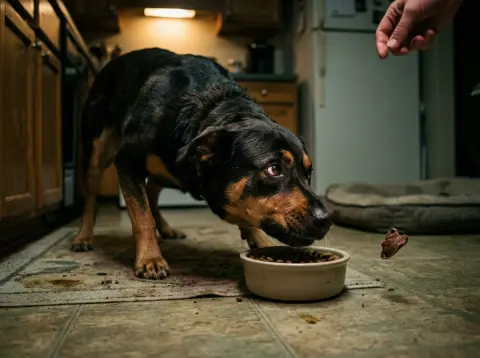
- Step 1: Create a Safe Eating Space. Feed your dog in a quiet, low-traffic area where they feel secure. This might be a separate room, a crate, or a corner away from other pets and family members. Use a regular bowl, not a puzzle feeder initially, to reduce any frustration.
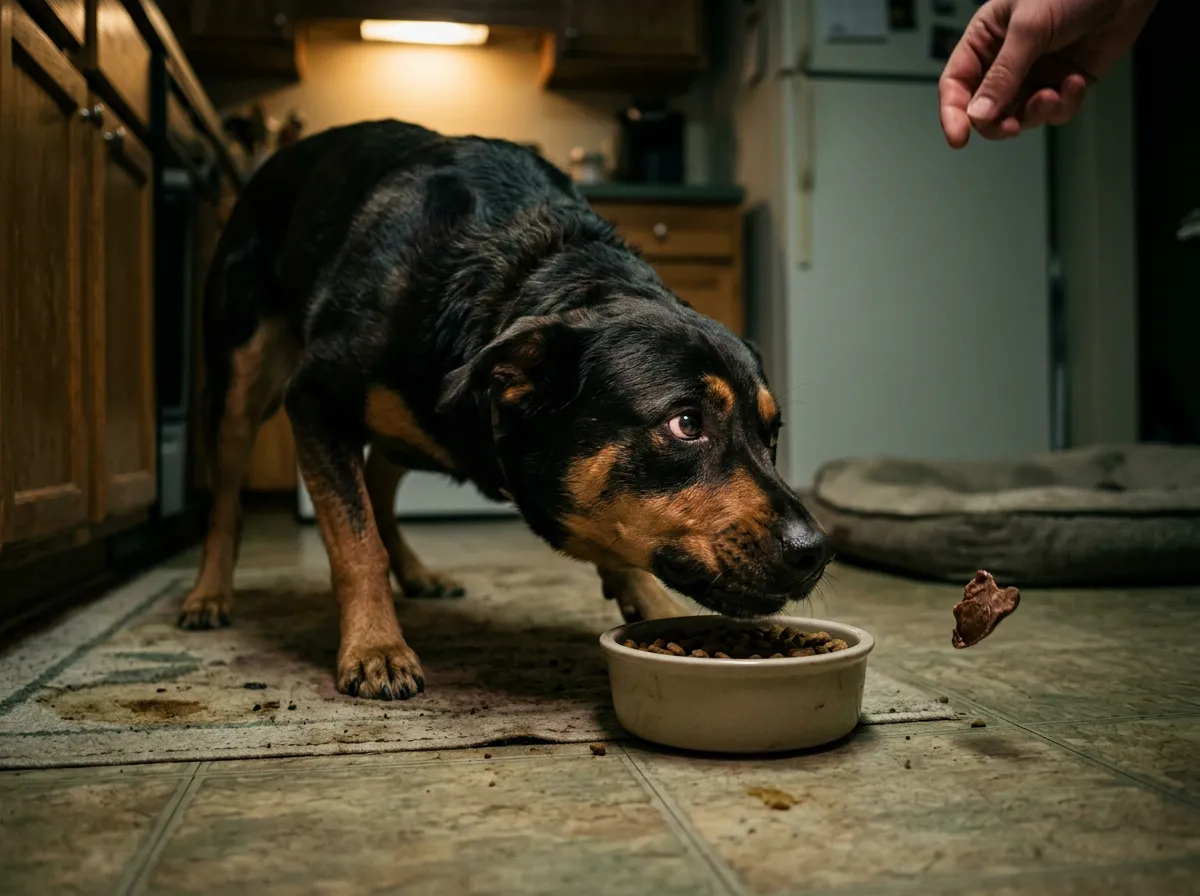
- Step 2: Distance and Positive Association. During meal times, start by standing a good distance away- ten feet or more. As your dog eats, occasionally toss a high-value treat (like a small piece of cooked chicken or cheese) towards their bowl, but not directly into it. The idea is that your presence means extra goodies, not a threat.
- Step 3: Gradually Close the Gap. Over several days or weeks, slowly reduce the distance. Continue tossing treats. If your dog shows any signs of tension- stiffening, stopping eating, staring- you have moved too quickly. Increase the distance again and proceed more slowly.
- Step 4: The "Trade Up" Game. Once your dog is comfortable with you being close, start practicing the "trade up." Approach with an even higher-value treat (something irresistible). Offer the treat, and as your dog takes it, gently pick up their bowl for a second. Immediately return the bowl with the remaining food. This teaches them that giving up their bowl results in something even better and that their food always comes back.
- Step 5: Consistent Routine. Feed your dog at the same times each day. Predictability helps build trust. Always use positive reinforcement; never punish growling or guarding. A growl is a warning; if you punish it, your dog might learn to skip the warning and go straight to a bite.
Remember, this is a marathon, not a sprint. Patience is your most important tool in helping your rescue dog overcome resource guarding food.
Managing Food Guarding in Multi-Pet Households
Introducing a rescue dog with resource guarding tendencies into a home with existing pets requires careful management and supervision. The primary goal is to prevent any opportunities for conflict around food, which can quickly escalate and damage relationships between pets.
First and foremost, always feed pets separately. This is non-negotiable. Use different rooms, crates, or even feed one dog outside while the other eats indoors. My adopted Chihuahua, Rex, would always try to steal food from the bigger dogs, leading to guarding issues. I had to feed them in separate rooms for a full year in my Houston home, and even now, years later, I still supervise every meal.
Beyond meals, be mindful of high-value treats and chew toys. Dogs should receive these items in separate, secure locations where they cannot be bothered by other pets. Consider using Kongs or other long-lasting chews that can be enjoyed in a crate or a designated "safe space" to minimize guarding opportunities.
Supervise all interactions, especially in the early days. If you notice any tension or staring between dogs around food-related items, redirect one or both dogs to separate activities. It is much easier to prevent a guarding incident than to break one up. The ASPCA suggests that many dogs guard food, and in many cases, food guarding does not need to be treated, but rather managed through careful environmental control.
When to Call in a Professional for Resource Guarding
While many cases of mild food guarding can be managed and improved with consistent positive reinforcement and environmental changes, there are situations where professional help is essential. If your dog's resource guarding is severe- involving aggressive lunging, biting, or if you have children in the home- it is time to seek expert guidance immediately.
Do not try to "fix" severe aggression on your own. A qualified professional can assess your dog's specific situation, identify triggers you might be missing, and develop a tailored behavior modification plan. Look for a Certified Professional Dog Trainer (CPDT) who specializes in positive reinforcement, or a Veterinary Behaviorist (DACVB) for more complex cases. These professionals use force-free methods, which are the safest and most effective for addressing resource guarding.
A good professional will work with you to implement strategies like those mentioned above, but with a deeper understanding of canine body language and behavior. They can also rule out any underlying medical conditions that might be contributing to your dog's anxiety or aggression. Remember, resource guarding is one of the simplest types of aggression to modify if addressed correctly with force-free methods, so do not hesitate to reach out for help.
To start, budget for at least one consultation with a certified professional dog trainer, which typically costs around $150-300 for an initial session.