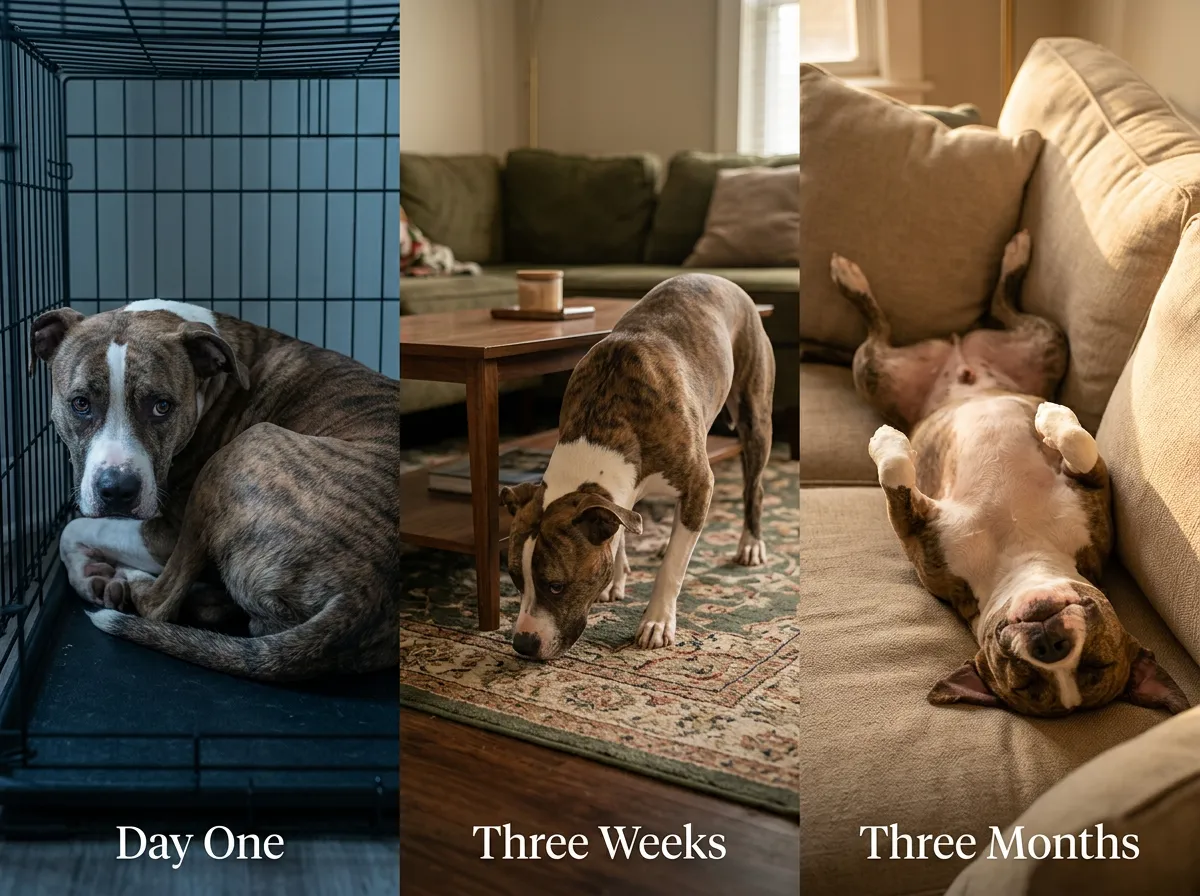
The 3-3-3 Rule for Rescue Dogs: Every Stage Explained
Bringing a rescue dog home is a rewarding experience, but it also comes with a period of adjustment for everyone involved. Many new adopters hear about the "3-3-3 Rule for Rescue Dogs," a helpful guideline suggesting how long it takes for a dog to settle into a new home over the first three days, three weeks, and three months. While this rule offers a useful framework, it's important to remember it's just that - a guideline. Every dog is an individual, and their journey will be unique, but understanding these general phases can help you prepare and offer the best support.
Understanding the 3-3-3 Rule for Rescue Dogs: What It Really Means
The 3-3-3 rule for rescue dogs outlines typical behavioral changes and adjustment periods you can expect from your new family member during their first three days, three weeks, and three months in your home. This framework helps set realistic expectations, reminding us that a dog's true personality often takes time to emerge as they decompress, learn routines, and build trust. It's a way to mentally prepare yourself for the ups and downs of welcoming an animal who has likely experienced significant change and uncertainty.
It's not a rigid timeline set in stone, and some dogs will adjust faster, while others might take much longer. I've volunteered at shelters for eight years, and I've seen countless dogs go home. Some bounce back immediately, while others, like my own timid terrier mix, took a full six months before he relaxed. The point is to give your new dog space, consistency, and patience, understanding that what they show you in the first few days isn't necessarily who they are.
The First 3 Days: Decompression and Observation
During the initial 72 hours, your rescue dog is likely to be overwhelmed, stressed, and possibly even scared. This is a period of intense decompression. Imagine being dropped into an entirely new environment with strange smells, sounds, and people - it's a lot for them to process. They might be withdrawn, hide, refuse food, or not want to interact. Some dogs might seem overly clingy, which is often a sign of anxiety rather than immediate bonding.
Much of this initial behavior stems directly from their recent life in a shelter. Think about it: constant barking, unfamiliar faces, limited personal space, and a lack of consistent routine. Dogs coming from such environments often need significant time to unwind. A shelter volunteer once told me, "They're just trying to figure out if they're safe yet."
- Quiet space: Set up a comfortable, secure area like a crate or a small room where they can retreat and feel safe. Don't force interaction.
- Limited interaction: Keep visitors to a minimum. Let your dog approach you when they are ready.
- No pressure: Don't try to introduce them to other pets, go on long walks in busy areas, or push them into situations they aren't ready for. Short, quiet potty breaks are sufficient.
- Food and water: Offer food and water in their safe space. Don't worry too much if they don't eat right away - stress can suppress appetite.
The First 3 Weeks: Settling into Routine
As the first few days pass, your dog will begin to feel a little safer and more comfortable in their new surroundings. This is typically when they start to learn your routine, understand what's expected of them, and begin to show more of their personality. You might see them exploring more, initiating play, and even trying to test boundaries. They might also start showing some undesirable behaviors they previously suppressed, like barking at noises or having accidents inside.
I remember when I adopted my first rescue, a sweet but timid Labrador mix. For the first three days, he barely left his bed. By week two, he was following me everywhere, and by week three, he was trying to sneak onto the couch when I wasn't looking. This is normal behavior, as they're learning where they fit in. It's crucial during this phase to establish clear rules and a predictable schedule.
- Consistent schedule: Implement a regular feeding, potty, and playtime schedule. Predictability reduces anxiety.
- Gentle training: Start basic training with positive reinforcement. Short, fun sessions build confidence and strengthen your bond.
- Safe exploration: Gradually introduce them to more areas of your home and quiet walks around the neighborhood. Keep a close eye on their body language.
- Observe and learn: Pay attention to what scares them, what they love, and what triggers unwanted behaviors. This information is gold.
The First 3 Months: True Personality Emerges
By the three-month mark, your rescue dog should be feeling much more secure and "at home." This is when their genuine personality often shines through. They'll have a good grasp of your routine, understand house rules, and their bond with you will be much stronger. This doesn't mean everything will be perfect, but you'll have a much clearer picture of who your dog is, what motivates them, and any specific quirks or challenges you might need to address long-term.
Building confidence is a major part of this stage. They've learned they can trust you to provide for them and keep them safe. This trust allows them to relax and express themselves more fully. It's also the time when any lingering behavioral issues, perhaps stemming from past experiences, might become more apparent now that they feel secure enough to let their guard down.
- Continued training and socialization: Keep working on training and consider puppy or obedience classes. Safely introduce them to new people and appropriate dogs.
- Addressing issues: If separation anxiety, resource guarding, or other concerns arise, consult a certified professional dog trainer or veterinary behaviorist. Early intervention is key.
- Regular vet check-ups: Ensure they are up to date on core vaccines (like DHPP and rabies) and parasite prevention. A healthy body supports a happy mind.
From Kennel to Couch: How Shelter Life Shapes Adjustment
The journey from a shelter kennel to your cozy couch is a massive shift for any dog, and their prior environment significantly influences how they move through the 3-3-3 stages. Shelters, even the best ones, are inherently stressful places. Understanding this can help you provide targeted support and empathy.
Noise and sensory overload are constant in a shelter. Imagine living in a building with dozens, sometimes hundreds, of other dogs barking, staff talking, and doors opening and closing all day. When a dog first comes home, the quiet might be just as disorienting as the noise was. This can lead to hypervigilance or an inability to relax in the first few days. I've seen dogs jump at the sound of a closing door for weeks after leaving the shelter.
Inconsistent human interaction is another factor. While shelter staff and volunteers work tirelessly, they can't provide constant, individualized attention. Dogs might learn to vie for attention, or conversely, become withdrawn to cope. This can manifest as attention-seeking behaviors or extreme shyness in your home. Some dogs might be wary of hands reaching for them, if they've only experienced quick leashing or kennel cleaning.
Moreover, the lack of personal space and predictable routines in a shelter means dogs often haven't had a chance to rest or feel a sense of security. They're always "on." When they arrive at your home, they need time to learn that they don't have to be on guard anymore. Offering a dedicated, private space, like a covered crate, is one of the best things you can do to counteract this. It gives them a den, a place that is theirs, to unwind.
Beyond the 3-3-3 Rule: Lingering Issues and Sustained Support
While the 3-3-3 rule provides a helpful framework, it's vital to accept that some dogs need more time - sometimes much more - to feel secure. The idea that full emotional security can take six months or even longer for a rescue dog is not uncommon, especially for those with a more traumatic past or a naturally anxious disposition.
Many dogs, despite showing good progress, may still exhibit specific challenges that require ongoing patience and work. For instance, separation anxiety is a common issue for rescue dogs, often stemming from previous abandonment or inconsistent care. They might panic when left alone, leading to destructive behavior, excessive barking, or house-soiling. Resource guarding - where a dog becomes possessive over food, toys, or even people - can also emerge once a dog feels secure enough to "claim" things in their new home.
Continuing trust-building exercises is essential even after the three-month mark. Keep up with positive reinforcement training, providing safe and engaging enrichment (like Kongs filled with peanut butter or puzzle toys), and maintaining a predictable routine. If you notice persistent or severe behavioral issues, don't hesitate to seek professional help. A certified professional dog trainer or a veterinary behaviorist can provide tailored strategies and support. They can help you understand the root cause of the behavior and create a plan that works for your dog and your family. Remember, asking for help isn't a failure; it's a sign of a responsible dog owner committed to their dog's well-being.
Setting Your Rescue Dog Up for Success: A Quick Checklist
Preparing for your new rescue dog before they even walk through your door can make a world of difference in their adjustment process. Think of it as creating a soft landing for them.
Here's a simple checklist to help you get ready:
- Prepare your home: Designate a quiet, safe space (crate, spare room) for your dog to decompress. Remove anything dangerous or valuable that they might chew or damage during their initial exploration.
- Gather supplies: Have food, water bowls, a comfortable bed, appropriate toys, a leash, collar/harness with ID tags, and poop bags ready. Ask the shelter what food they were eating to minimize stomach upset.
- Plan the first few days: Arrange to be home for the first few days, if possible, to oversee introductions and establish initial routines. Limit visitors.
- Schedule a vet visit: Book a "meet and greet" vet appointment within the first week. This allows your vet to check them over and helps your dog associate the vet with positive experiences.
- Patience and love: This is the most important item on the list. Be ready to offer endless patience, understanding, and unconditional love. They've been through a lot, and they deserve a chance to bloom.
Ready to open your home to a dog in need? Visit Puplister's dogs for adoption today and start your journey.