Why Does My Dog Eat Grass? Is It Dangerous?
A 2008 survey of approximately 1,500 dogs revealed that fewer than 1 in 10 dogs showed signs of being ill before they ate grass, and only a quarter were regularly sick afterwards, challenging the common belief that dogs eat grass primarily to induce vomiting. This behavior, often perplexing to pet parents, is actually quite common and usually harmless. Understanding why your dog eats grass, and when it might signal a problem, can help you worry less and respond appropriately.
Why Does My Dog Eat Grass? The Common Theories (and a Few Myths)
Dogs eat grass for a variety of reasons, many of which are rooted in their natural instincts and are not necessarily signs of illness. Most often, your dog is probably just enjoying the taste or texture, or perhaps seeking a little extra fiber in their diet.
One popular theory suggests dogs eat grass to induce vomiting when they feel unwell. While some dogs do vomit after eating grass, the 2008 study mentioned earlier indicates this is not the primary driver for most grass-eating incidents. Many dogs eat grass and show no signs of illness before or after, suggesting other motivations are at play.
Another common belief points to dietary deficiencies. Dogs might instinctively seek out grass to supplement their diet with certain vitamins, minerals, or fiber. Modern dog foods are generally nutritionally complete, but a natural instinct for plant matter could still persist. Fiber, for example, helps with digestion and bowel movements, so a dog might be self-medicating a mild upset stomach or simply trying to regulate their system.
Curiosity also plays a role. Dogs explore the world with their mouths, and the novel taste and texture of grass can be appealing. Some dogs just like the way it feels in their mouth, or they might be bored. A lack of mental or physical stimulation can lead dogs to find their own entertainment, and munching on grass is an easy way to pass the time.
Is Eating Grass Dangerous for My Dog? Understanding the Risks
While often harmless, there are specific situations where a dog eating grass can become a concern. The main dangers stem not from the grass itself, but from what might be on or in it.
Pesticides, herbicides, and fertilizers are a significant risk. Many lawns are treated with chemicals that are toxic to dogs if ingested. Even if your own yard is chemical-free, grass in public parks, sidewalks, or neighbors' yards might not be. Exposure to these substances can lead to symptoms ranging from mild gastrointestinal upset to serious poisoning, requiring immediate veterinary attention.
Parasites present another hazard. Grass can host various intestinal parasites, such as roundworms, hookworms, or even lungworms, especially if other animals have defecated nearby. Ingesting contaminated grass means your dog could pick up these parasites, leading to health issues and requiring deworming treatments. Regular fecal exams and parasite prevention are important, regardless of grass eating, but this behavior does add to the risk.
Very rarely, consuming large amounts of grass can lead to an intestinal blockage. This is more common with dogs who gorge themselves on long, tough blades of grass that can clump together and become difficult to pass. This is an emergency situation that would require veterinary intervention.
Monitoring your dog's environment is crucial.
Grass-Eating in Adopted Dogs: What New Pet Parents Should Know
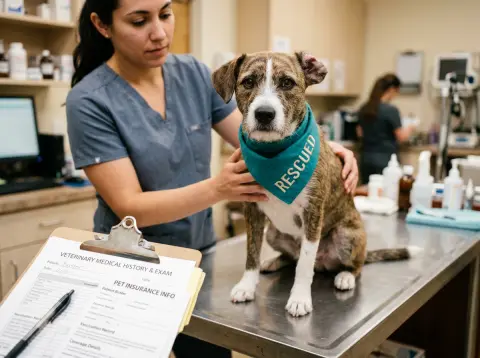
For those of us who have adopted a dog, especially one with an unknown history, grass-eating can take on a different context. A newly adopted dog might eat grass more frequently due to stress, anxiety, or past dietary deficiencies from their time before rescue.
Consider a dog like Shadow, a Pointer mix I fostered from a shelter in Flagstaff, Arizona, a few years ago. For the first three weeks, Shadow would graze on grass almost obsessively during walks. We suspected it was a combination of stress from the new environment and perhaps a habit formed from a previous situation where food was scarce or inconsistent. Providing a consistent, high-quality diet and plenty of mental stimulation with puzzle toys and training helped reduce his grass-eating significantly over time.
Shelter veterinarians often see similar patterns. They advise new adopters to remember that a dog coming from a shelter environment might be adjusting to a new routine, new food, and a completely different level of stress. Grass-eating could be a self-soothing mechanism, a way to cope with anxiety, or even a residual behavior from a time when they had limited access to appropriate food or enrichment.
To help a newly adopted dog, ensure they have:
- A consistent, high-quality diet (consult your vet or the shelter about good brands).
- Plenty of appropriate chew toys and mental enrichment.
- Regular walks and playtime for physical exercise.
- A safe, chemical-free area where they can explore if they do choose to munch on grass.
When to Worry: Consulting Your Veterinarian
Most of the time, a dog eating grass is not a cause for alarm. However, there are clear signs that indicate you should contact your veterinarian. It is important to pay attention to the frequency of the behavior and any accompanying symptoms.
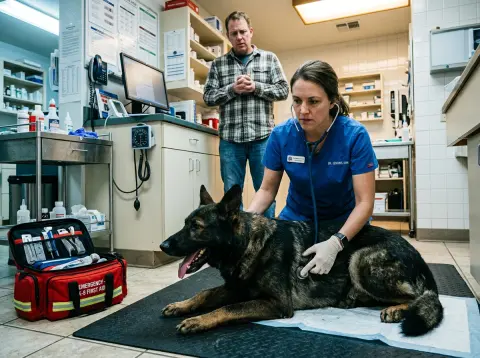
If your dog suddenly starts eating grass excessively, especially if this is a new behavior for them, it warrants a closer look. Similarly, if grass-eating is accompanied by other symptoms like repeated vomiting (more than once or twice), diarrhea, loss of appetite, lethargy, or changes in stool, it is time to call the vet. These could be indicators of an underlying gastrointestinal issue, a parasitic infection, or even a reaction to a toxic substance on the grass.
I recall a situation with Gus, a Labrador Retriever, who developed severe stomach upset after a walk in a newly fertilized park in Savannah, Georgia. He started eating grass frantically and then became lethargic with repeated bouts of vomiting and diarrhea. A trip to the emergency vet, costing over $800 for diagnostics and supportive care, confirmed chemical exposure. Always be vigilant about where your dog is grazing.
A veterinarian can perform a physical exam, and if necessary, recommend diagnostic tests like blood work or a fecal analysis to rule out any serious health problems. They can also offer advice tailored to your dog's specific needs and lifestyle. For more information on preventative care, you can always check trusted resources like the American Veterinary Medical Association (AVMA) or the ASPCA.
Understanding our dogs' seemingly odd behaviors helps us keep them healthy and happy.