Why Does My Dog Stare at Me? 8 Reasons Explained
Have you ever looked up from your book or phone only to find your dog staring intently at you? It can be a little unnerving, or sometimes, downright adorable. This common dog behavior, often misinterpreted, is usually a form of communication, a way your dog tries to connect with you, understand you, or get something from you. Understanding these silent messages is key to a stronger bond with your canine companion.
Why Your Dog Stares: The Basics of Canine Communication
Most of the time, when your dog stares at you, they are trying to tell you something or simply showing affection. It's their way of interacting with their world, and you are a huge part of that world. This kind of gaze, often called a "soft stare," is usually a positive interaction.
They Love You and Want to Connect
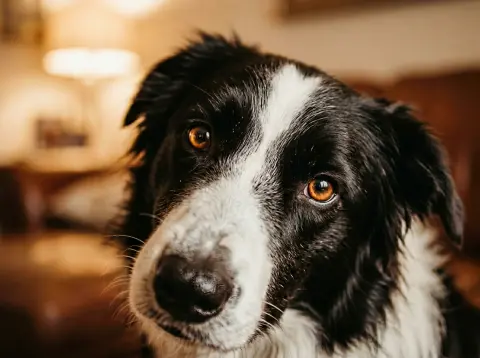
One primary reason for a soft stare is pure affection. Research, including studies cited by organizations like the American Veterinary Medical Association (AVMA), indicates that mutual gazing between dogs and humans can release oxytocin, often called the "love hormone." This is the same hormone that strengthens the bond between a mother and infant. When your dog looks at you with relaxed eyes, a soft expression, and perhaps a slightly wagging tail, they are likely just soaking in your presence and showing you how much they care.
They Want Something from You
Honestly, this is probably the most common reason for a stare. Your dog has learned that staring at you often leads to good things. Are you holding a treat? Are you near the leash? Is it dinner time? They are trying to prompt you into action. My own rescue, a goofy Labrador mix named Daisy, has perfected the "I want a treat" stare – she'll sit perfectly still, eyes locked on me, until I acknowledge her. This behavior isn't necessarily bad, but it can become a habit that needs a little management.
They're Reading Your Body Language
Dogs are perceptive. They pick up on subtle cues we don't even realize we're giving off. A stare can be your dog trying to figure out your next move. If you stand up, they might stare, wondering if it means a walk, playtime, or a trip to the kitchen. They are observing, learning, and anticipating. This is especially true for working dog breeds like Border Collies or German Shepherds, who are naturally attuned to human direction.
Beyond the Obvious: Staring in Adopted Dogs
When you bring a dog home from a local shelter, their staring can carry additional layers of meaning. Their past experiences, which are often unknown, play a significant role in how they interact with their new environment and their new family.
Anxiety and Seeking Reassurance
A newly adopted dog might stare out of anxiety. They're in a new place, with new people, and everything feels different. This stare can be a plea for reassurance, a way to check if they're safe, or if they're doing the right thing. I've seen countless dogs do this in the shelter, especially in the first few days after arriving. They're trying to figure out the rules and looking to you for guidance. It's a vulnerable kind of stare, and responding with calm, gentle affection can build immense trust.
Learning New Routines and Trust
Consider the staring as information gathering. My first adopted dog, Rocky, a quiet Greyhound mix, would stare at me every time I opened the pantry. He wasn't begging; he was learning what that sound meant in his new home. This type of stare is less about demanding and more about absorbing. It's a sign they are trying to integrate into your life and understand their new world. Building trust with a dog from an unknown background takes time, and these quiet observations are part of their process.
When Staring Turns Serious: Warning Signs and Resource Guarding
While most staring is harmless, sometimes a dog's gaze can signal something more serious. It's vital to differentiate between a "soft" affectionate stare and a "hard" warning stare. Recognizing the nuances can prevent misunderstandings and potential issues.
The "Hard" Stare: A Warning
A hard stare is usually accompanied by a stiff body, direct eye contact without blinking, ears pulled back or forward and rigid, and a closed mouth or a slight growl. The tail, if moving at all, might be low and stiff, not wagging loosely. This stare is a clear signal to back off. It often precedes a snap or a bite if the dog feels threatened or cornered. I've seen this many times in the shelter environment, particularly with dogs who have had negative experiences or are guarding their space or possessions. Always respect this signal and give the dog space.
Resource Guarding
Sometimes, staring is a component of resource guarding. This happens when a dog perceives something valuable – food, a toy, a favorite sleeping spot, or even a person – as their own and becomes defensive if someone approaches. The stare is part of their warning system. If your dog stares intensely at you or another person when they are near their food bowl or a specific toy, and their body language is tense, they might be resource guarding. This behavior needs careful management and often professional training to address safely.
Confusion or Pain
Occasionally, a blank, unfocused stare can indicate confusion, disorientation, or even pain. If your dog stares at walls, seems disoriented, or just seems "off" along with the staring, it's worth a visit to your veterinarian. This is especially true for older dogs for adoption, as it could be a sign of cognitive decline.
Stopping the Stare: Practical Training for a Better Bond
If your dog's staring is becoming excessive, demanding, or potentially problematic, you can teach them alternative behaviors. The goal isn't to stop all staring, but to manage unwanted staring and reinforce positive communication.
Manage Attention-Seeking Stares
For dogs who stare to get attention, the key is to ignore the stare and reward calm, non-staring behavior. When your dog stares at you, turn your back or walk away. As soon as they break eye contact or lie down calmly, turn back and reward them with praise or a small treat. This teaches them that polite, calm behavior gets them what they want, not demanding stares. Consistency is critical here.
Break the Habit of Begging Stares
If your dog stares at you while you're eating, the solution is simple but requires discipline: never feed them from the table, and ensure they are not rewarded for begging. You can teach them to go to their bed or a specific mat during meal times and reward them there for staying put. Puzzle feeders like a Kong can also keep them occupied in another room while you eat, redirecting their focus away from your plate.
Teach a "Look at Me" Command
Ironically, teaching a "look at me" command can help you regain control over unwanted staring. Hold a treat near your nose and say "Look at me!" When your dog makes eye contact, immediately say "Yes!" and give them the treat. Practice this often. This command is helpful in many situations, allowing you to redirect your dog's attention when needed.
Understanding Different Stares
Here's a quick guide to help you interpret your dog's gaze:
| Type of Stare | Body Language Cues | Meaning |
|---|---|---|
| Soft Stare | Relaxed body, blinking eyes, soft mouth, possibly slow tail wag | Affection, seeking connection, contentment |
| Demanding Stare | Alert but not tense body, focused eyes, usually near a desired object (food, leash) | Wanting something (food, walk, attention) |
| Hard Stare | Stiff body, unblinking eyes, tense mouth, ears back or forward, low/stiff tail | Warning, feeling threatened, resource guarding |
| Confused Stare | Disoriented look, unfocused eyes, often combined with other behavioral changes | Possible pain, disorientation, cognitive decline |
The Aging Gaze: Staring and Cognitive Changes
As dogs age, their behavior can change, and staring can sometimes be a symptom of cognitive decline. Just like humans, older dogs can experience a form of dementia known as Canine Cognitive Dysfunction (CCD or CDS). Studies suggest that approximately 25% of aging dogs may exhibit behavioral changes, including persistent, unfocused staring.
When an older dog stares blankly at walls, gets "stuck" in corners, or seems generally disoriented, it's not just a cute quirk. These could be signs of CDS. Other symptoms often include changes in sleep-wake cycles, house soiling, altered interactions with family members, and decreased activity levels. If you notice these kinds of changes in your senior dog, it's important to talk to your veterinarian. There are medications and management strategies that can help improve their quality of life.
Ultimately, your dog's stare is a powerful communication tool. By paying attention to their body language and understanding the context, you can better interpret their needs and strengthen your bond. For more insights into dog behavior and training, check out our blog.