Why Dog Adoption Fees Are So High: Where Money Goes
Let's get one thing straight about dog adoption fees: they are not a profit center for shelters, and anyone who thinks they're "too high" is missing the entire point of rescue. These fees are the backbone of animal welfare, allowing organizations to provide crucial medical care, food, and shelter to animals that desperately need it. It's not about making money; it's about covering the immense costs of giving a discarded or abandoned animal a second chance at life.
What Your Dog Adoption Fee Actually Covers
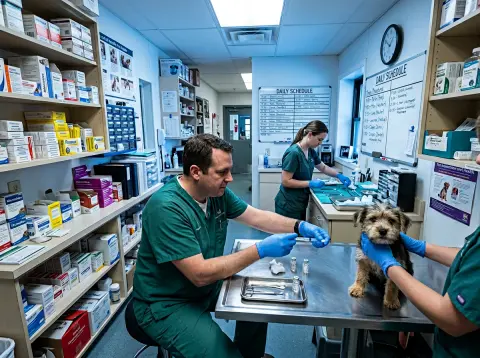
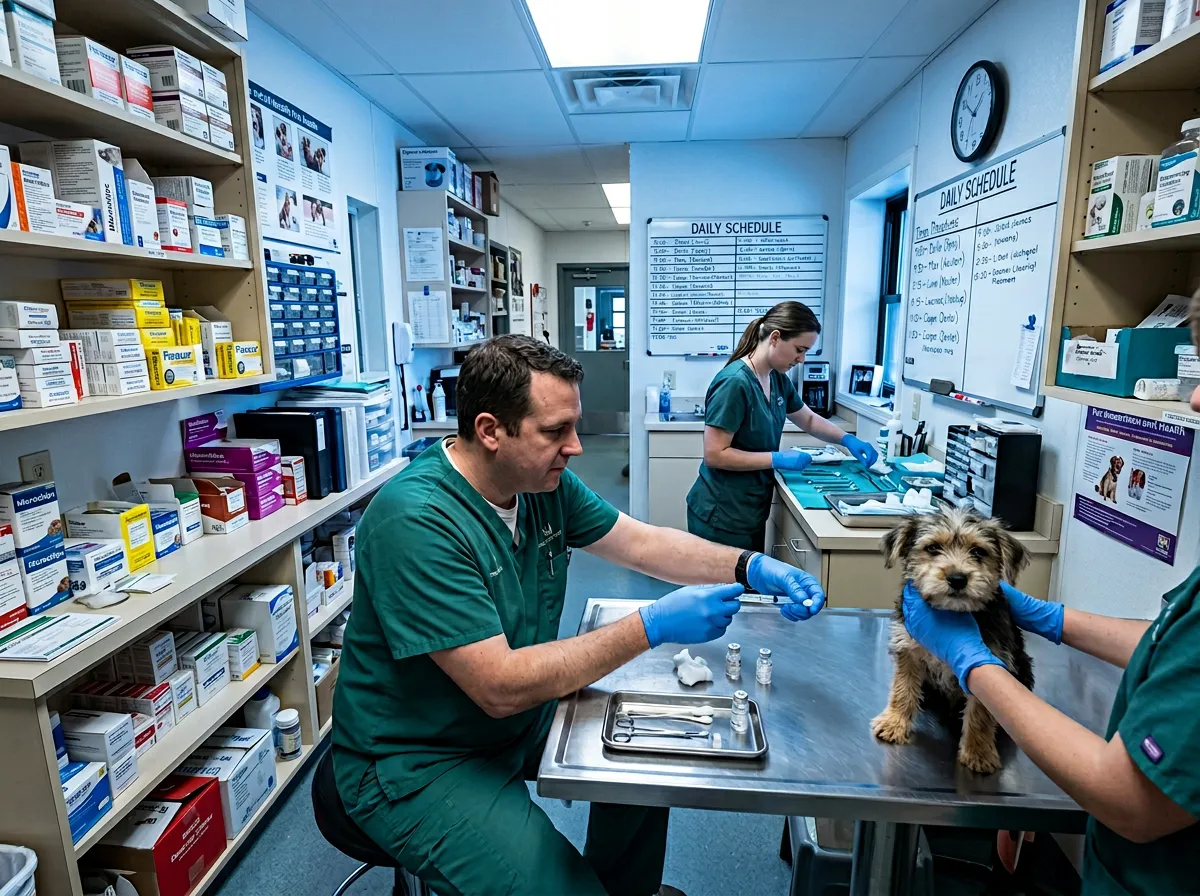
Your dog adoption fee primarily covers the extensive veterinary care every animal receives before finding its forever home. This isn't just a quick check-up; it's a suite of services designed to ensure the dog is healthy and ready for a new family. Think about the cost of a private vet visit for a puppy or a new adult dog, and you'll quickly see how adoption fees are a bargain.
Specifically, most adoption fees include core vaccines like DHPP (Distemper, Hepatitis, Parvovirus, Parainfluenza) and rabies, along with Bordetella for kennel cough prevention. Dogs are typically spayed or neutered, a procedure that can cost anywhere from $150 to $700 if done privately. They also undergo heartworm testing and receive prevention medication, often combined with flea and tick treatment, such as a dose of Bravecto or a month's supply of Heartgard.
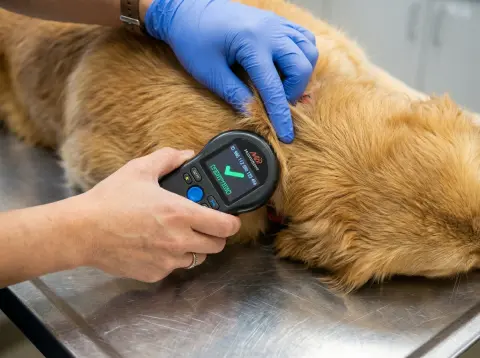
Furthermore, microchipping is a standard part of the adoption package, usually costing $25-$75 at a vet, which is vital for reuniting lost pets with their families. Many shelters also perform fecal tests and deworming. My experience volunteering at the "Second Chances" shelter in Denver showed me how critical this initial vetting is. For example, Rex, a two-year-old German Shepherd mix, arrived with a severe case of kennel cough in late 2023. The shelter spent over $800 on his antibiotics, nebulizer treatments, and follow-up exams, far exceeding his eventual $250 adoption fee. That fee didn't even cover half of his medical needs.
Beyond the Basics: The Invisible Costs of a Second Chance
Beyond the obvious medical expenses, adoption fees also contribute to a host of less visible but equally important costs. These include everything from daily operational expenses to specialized behavioral rehabilitation, which can be resource-intensive. Shelters aren't just holding pens; they are temporary homes striving to prepare animals for successful adoptions.
Consider the costs of food, bedding, toys, and cleaning supplies for dozens, sometimes hundreds, of animals daily. There are also staff salaries for animal care technicians, adoption counselors, and administrative personnel. Behavior assessments are another critical component, particularly for dogs who arrive with fear, anxiety, or aggression issues. A dog might need weeks or even months of dedicated training and socialization.
For instance, Bella, a tiny Chihuahua mix I worked with at a rescue in Miami, was so terrified of people she would hide and shake. The rescue invested in four weeks of one-on-one sessions with a certified professional dog trainer, costing approximately $300 per week, to help her build confidence. Her $350 adoption fee certainly didn't cover that $1,200 expense. This level of individualized care is precisely what allows many dogs to become adoptable, and it's a significant drain on shelter resources.
The True Value: Why It's Cheaper Than "Free" or a Breeder
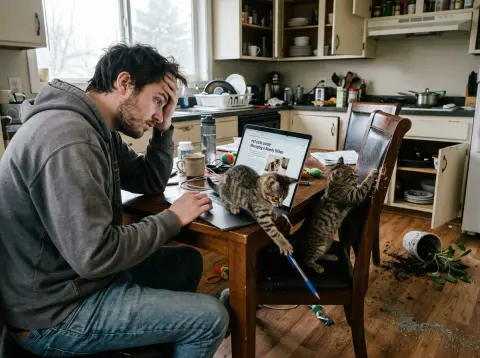
Comparing an adoption fee to the cost of a "free" dog or one from a breeder quickly highlights the incredible value of adoption. People often think getting a dog for free means saving money, but it almost always means inheriting a stack of immediate vet bills. A "free" puppy from an online ad likely hasn't had any vaccinations, deworming, or spay/neuter surgery.
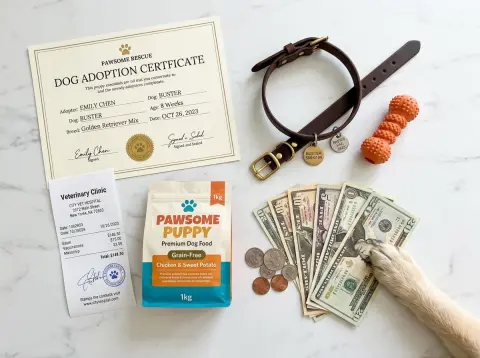
Look at the numbers. If you acquire a free dog, you'll immediately face costs for a wellness exam ($50-$100), vaccinations ($100-$250 for a series), microchipping ($25-$75), and spay/neuter ($150-$700). That's a minimum of $325 up to $1125, just to get to the same starting point as an adopted dog. And that's before any unexpected health issues crop up.
Bringing a dog home from a reputable breeder can easily cost $1,000 to $3,000 or more, depending on the breed and lineage. While these dogs often come with initial vet checks and sometimes microchips, they rarely include spay/neuter, and you're still paying a premium for a specific breed. Adoption fees, typically ranging from $50 to $500, are a fraction of these costs, providing a fully vetted and often behaviorally assessed companion.
| Item | Cost for "Free" Dog (Estimated) | Cost Included in Adoption Fee |
|---|---|---|
| Wellness Exam | $50 - $100 | Yes |
| DHPP & Rabies Vaccines | $100 - $250 | Yes |
| Spay/Neuter Surgery | $150 - $700 | Yes |
| Microchip | $25 - $75 | Yes |
| Heartworm Test & Prevention | $50 - $150 | Yes |
| Flea/Tick Treatment | $20 - $50 | Yes |
| Total Out-of-Pocket | $395 - $1825 | $0 (Covered by Fee) |
Your Fee: A Lifeline for the Next Dog
Understanding that your adoption fee is a lifeline for future animals is crucial. It's easy to overlook the sheer volume of animals arriving daily- discarded, abandoned, or surrendered when families face hardship. Every dollar from an adoption fee helps keep the lights on, the food bowls full, and medical supplies stocked for the next terrified dog for adoption brought through the door, often facing an uncertain future.
This cyclical funding model is how local shelters and rescues continue their vital work. When you pay an adoption fee, you're not just paying for the dog you're taking home; you're also contributing to the care of the one that just arrived, the one recovering from surgery, and the one waiting patiently for their turn. It's a collective effort to save lives, funded largely by those who choose adoption.
Many shelters, especially municipal ones, receive some taxpayer funding or grants, which can sometimes allow them to offer lower or even waived fees during special events. However, private rescues rely almost entirely on adoption fees and donations to operate. These organizations often take on the most challenging cases- animals needing extensive medical intervention or long-term behavioral rehabilitation- which is why their fees might be on the higher end.
Breaking Down the Numbers: What Influences the Fee?
The specific amount of a dog adoption fee can vary based on several factors, including the dog's age, breed, and even geographical location. Shelters often adjust fees to help balance their budgets and encourage adoptions for harder-to-place animals.
Puppies, for instance, typically have higher adoption fees, sometimes ranging from $200 to $425. This is because they require a more intensive initial round of vaccinations and vetting. Young dog breeds are also often in higher demand. Conversely, senior dogs, those over seven or eight years old, often have significantly lower fees- sometimes as little as $50-$75. This encourages people to adopt older companions who are frequently overlooked but make wonderful additions to a home.
Purebred dogs or highly desirable breeds might also have slightly higher fees, which helps shelters offset the costs of animals needing more care. A memorable case was Charlie, a 10-year-old blind Beagle from a Chicago shelter. His adoption fee was only $75, but the shelter had spent over $1,500 on his dental surgery, specialized eye drops, and ongoing geriatric care before he found his perfect home. The fee was a tiny fraction of the investment made in his well-being.
That small fee represents a commitment to a life, not just a transaction.
So, when you see that dog adoption fee, are you seeing a cost, or an investment in a life, both past and future?