Why Dog Rescue Applications Are So Hard to Pass
Approximately 3.1 million dogs enter animal shelters each year across the United States, yet many hopeful adopters find themselves consistently rejected by rescue organizations. This frustrating experience often leaves people wondering why dog rescue applications are so hard to pass, even when they feel they offer a loving home. The truth is, rescues operate with high stakes and a deep commitment to finding the perfect, lasting placement for each dog in their care.
Why Do Rescues Make It So Difficult? Understanding Their Mission
Rescues intentionally make their application process thorough because their primary mission is to prevent dogs from ever returning to the shelter system, which is a traumatic experience for the animals and a drain on limited resources. About 75% of animals are surrendered due to human circumstances, like housing issues or too many pets, not because of the animal's behavior. This means rescues are trying to screen for stability and commitment above all else, aiming for that 96% retention rate of adopted pets still in their new homes after 30 days.
Staff and volunteers have often seen these dogs at their most vulnerable. They know the dog's history, their quirks, and their needs in a way a brief meeting cannot convey. Their rigorous process is a protective measure, built from years of experience with adoptions that didn't work out. They want to ensure the dog's future is secure, healthy, and happy, which sometimes means saying no to perfectly well-meaning people who simply aren't the right fit for a specific animal or who might face unforeseen challenges.
Beyond the Checklist: What Rescues Look For
While an application asks about fences and work schedules, rescues are ultimately looking for evidence of genuine commitment and preparedness, not just checking boxes. They want to see that you have considered the long-term implications of dog ownership, including potential behavior issues or unexpected medical costs. For instance, in 2023, behavior was a primary reason for adoption returns in dogs, accounting for 19% of all returns, second only to owner/household preferences at 20%.
Consider the family in Grand Rapids who applied for a high-energy Border Collie mix named Jasper. They lived in an apartment, which is often an automatic red flag for such a breed. Instead of just listing their home size, they submitted a detailed daily schedule outlining two hours of dedicated park visits, weekend hiking plans, and even photos of their apartment outfitted with dog-proofed areas and interactive puzzle toys. They showed receipts for over $150 spent on enrichment items like a Kong Wobbler and a Snuffle Mat, demonstrating a proactive approach to mental and physical stimulation. This went far beyond what a typical application asks and showed an understanding of the breed's needs.
They want to see that you are ready for a dog, not just a specific dog. This includes financial stability to cover routine vet visits, emergency care, and quality food. Individuals earning less than $50,000 are more likely to encounter pet-related housing restrictions and more frequently affected by the cost of veterinary care, a factor rescues must consider for the dog's welfare.
The "Perfect Match" Myth: Flexibility is Your Friend
Many people go into the adoption process with a very specific idea of the dog they want- a certain breed, age, or look. However, the dog a rescue believes is your "perfect match" might look very different from the dog you envisioned. Rescues prioritize temperament, energy level, and compatibility with your lifestyle over superficial traits.
Only 33% of dogs are obtained from rescues and shelters, compared to 21% from breeders, suggesting a disconnect between what people seek and what shelters offer or approve. Sometimes, the dog you think you want isn't the best fit for your actual living situation, even if you adore their picture.
Being open to different breeds or mixed breeds can significantly improve your chances.
A rescue might suggest a calm, older Labrador Retriever mix instead of the young, boisterous Boxer puppy you applied for, knowing the Labrador's temperament aligns better with your quiet home and less active schedule. Being willing to consider their recommendations shows trust and a genuine desire to provide a good home for any dog in need, rather than just fulfilling a personal preference.
Decoding the Denial: What to Do After Rejection
Receiving a rejection can be disheartening, especially when you've invested time and emotion into the process. Many applicants report rejection without clear reasons, which adds to the frustration. However, a denial isn't necessarily a judgment on your character, but often a sign that you weren't the right fit for that particular dog or that rescue's specific criteria.
If you get a "no," consider sending a polite, brief email to the adoption coordinator. Instead of demanding an explanation, ask if there are any specific areas you could improve upon for future applications. For example, after being denied for a senior Chihuahua in Oakville, an applicant named Eleanor respectfully inquired about her application. The coordinator, perhaps impressed by the calm approach, mentioned their concern about Eleanor's previous pet's lack of consistent annual vet visits, a detail from a vet reference. Eleanor then committed to scheduling routine wellness checks for any future pet, addressing a key trust factor for the rescue.
Sometimes, the issue is simply that another applicant was a slightly better match for that specific dog's needs, or perhaps a more experienced adopter came along. It's not always about a flaw in your application but about the rescue finding the best possible home for each unique animal. Use the experience to learn and refine your approach for the next application.
Proving Your Readiness: Tips for a Stronger Application
To stand out, you need to proactively demonstrate your commitment and understanding of responsible dogs for adoption care. This involves more than just filling out forms.
- Vet References: Ensure your current or previous vet is prepared to speak positively about your history of pet care, including regular check-ups, vaccinations (like DHPP and rabies), and preventative flea/tick treatments. If you've never owned a pet, consider asking a friend or family member who has pets and knows your responsible nature to be a personal reference.
- Landlord Approval: If you rent, get a letter from your landlord explicitly stating that pets are allowed, including any breed or weight restrictions. Attach it directly to your application.
- Home Visit Preparation: Be ready for a home visit. This isn't about judging your housekeeping; it's about ensuring a safe environment. Secure any dangerous chemicals, check for escape routes in your yard (if applicable), and show where the dog's food, water, and sleeping areas will be.
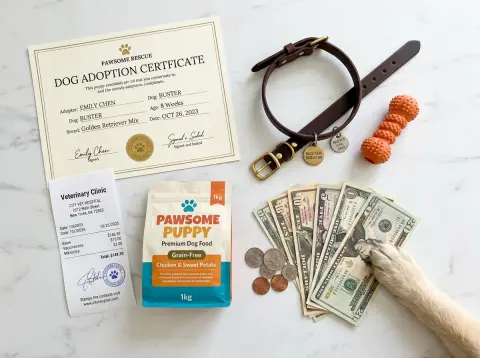
- Financial Planning: Show you've thought about the costs. Adoption fees typically range from $50-300. The first vet visit could be $100-300, and monthly food costs average $30-80. Consider budgeting for pet insurance, which can be a lifesaver for unexpected emergencies.
- Training Commitment: Mention specific training plans. Will you enroll in a puppy class or work with a certified professional dog trainer? This shows you're committed to managing behavior proactively.
Thinking ahead and providing these details upfront can make a significant difference. It reduces the rescue's workload and shows you are serious.
Finding the Right Rescue for You
Here's something many people misunderstand: not all rescues operate the same way. What's often overlooked is that some dogs, particularly smaller, less active breeds or those with social anxiety, actually thrive in quieter apartment settings, away from the constant stimulation of a busy neighborhood or large yard that requires too much patrolling. It's surprising how often people rule themselves out unnecessarily by assuming every rescue demands a sprawling suburban home.
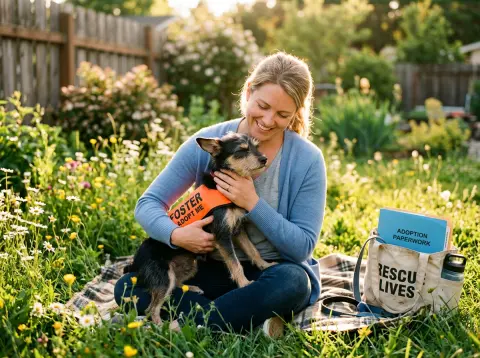
Some organizations, like municipal local shelters, might have a faster, more "open adoption" process focused on conversations rather than extensive paperwork. Others are breed-specific rescues, like a dedicated Dalmatian rescue, which will have very strict requirements tailored to that breed's unique needs. Foster-based rescues, where dogs live in homes rather than kennels, often have a more personal understanding of each dog's temperament and can offer insights that a large shelter cannot.
Look into different types of organizations in your area. Read their adoption policies carefully on their websites. Some rescues are more flexible about certain criteria if you can demonstrate a strong alternative solution. For example, if you work full-time, you might outline your plan for a dog walker, doggy daycare, or a trusted family member to provide mid-day care. Being transparent and offering solutions can help you find a rescue that aligns better with your circumstances, ultimately leading you to the right dog breeds for your home.
The journey to adopting a dog can be challenging, but it is ultimately rewarding. The frustrations of the application process are a small hurdle to overcome for years of companionship. I still remember the immense relief and joy when my application for Willow, a shy hound mix from a rescue in Springfield, finally went through after weeks of waiting and multiple interviews.