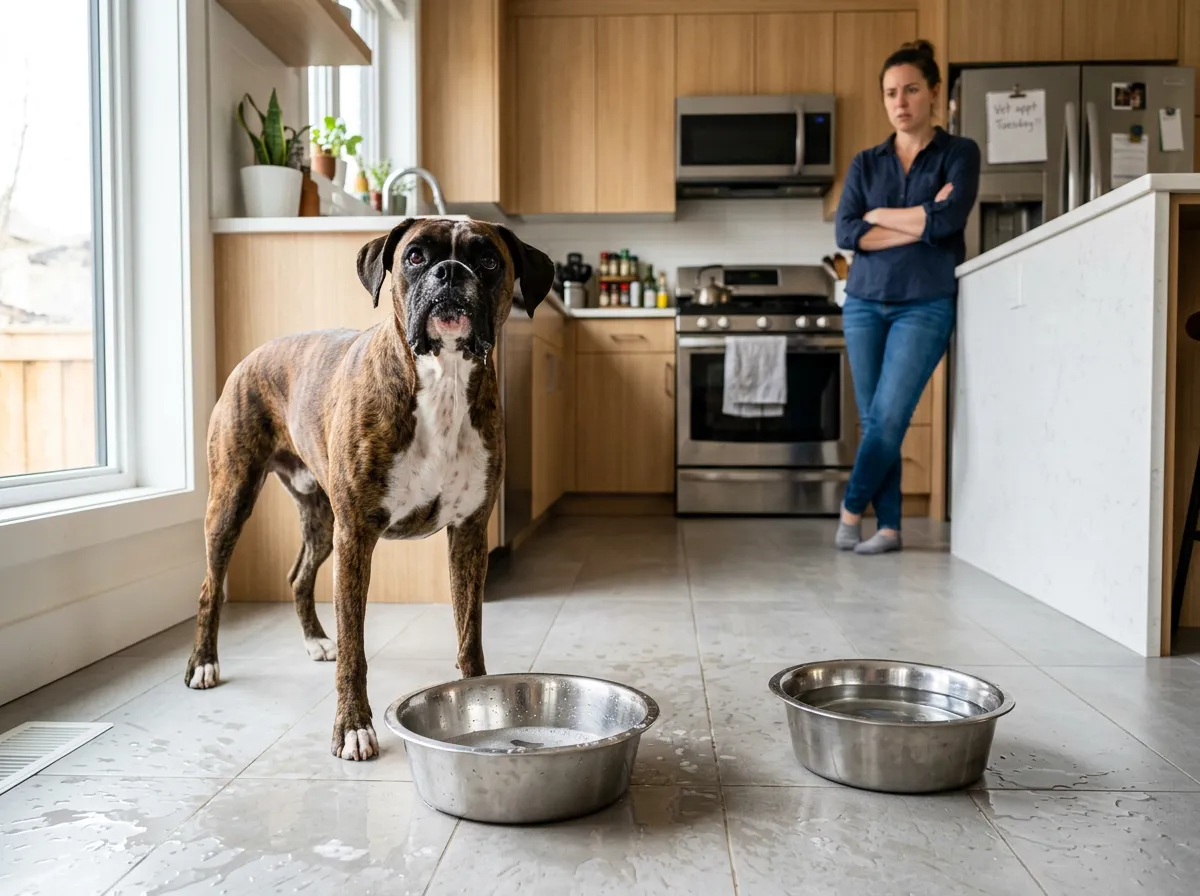
Why Is My Dog Drinking So Much Water Suddenly?
I remember a scruffy Labrador mix named Apollo who arrived at a Louisville shelter back in 2022, exhibiting what his previous owner described as "insatiable thirst." This wasn't just a dog enjoying a drink; Apollo was gulping down water constantly, and it immediately raised red flags for the shelter staff and me. His situation perfectly illustrates why an abrupt change in your dog's water consumption, especially if it seems excessive, warrants your attention.
Why Is My Dog Drinking So Much Water Suddenly?
If your dog is drinking so much water suddenly, it's a sign that their body is trying to tell you something, and it's called polydipsia. Normal water intake for a healthy dog is typically around ½ to 1 ounce per pound of body weight per day. A sudden increase beyond this range, particularly if it's sustained, indicates either a physiological need to compensate for fluid loss or an underlying medical condition causing increased thirst.
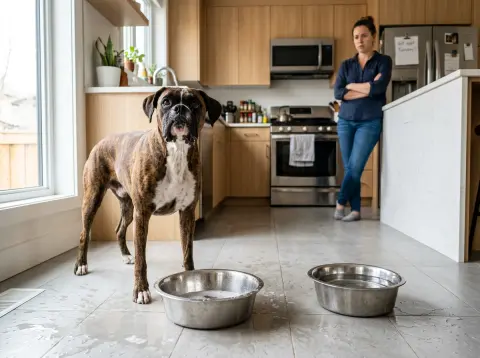
Most pet owners don't measure their dog's water intake precisely, and that's fine. What you should notice is a significant change in behavior: the water bowl emptying much faster, your dog asking for water more frequently, or even trying to drink from unusual sources like toilets. This isn't always an emergency, but it's never something to ignore, especially with adopted dogs whose medical history might be incomplete.
What Are the Harmless Reasons for Increased Thirst?
Several benign factors can cause your dog to start drinking so much water suddenly, and these are often the first things to rule out. Warmer weather or increased physical activity, like a longer walk or an energetic play session, naturally leads to greater fluid needs. Just as we get thirsty after exercise, dogs do too. Dietary changes, especially a switch to a drier kibble or a diet higher in sodium, can also increase thirst as the body works to process the new intake.
Certain medications frequently cause increased thirst as a side effect. For example, corticosteroids (like prednisone) and diuretics (often prescribed for heart conditions) are well-known for causing polydipsia and increased urination (polyuria). If your dog has recently started a new medication, discuss this potential side effect with your veterinarian. Even simple boredom or anxiety can sometimes manifest as behavioral polydipsia, where a dog drinks excessively without a physiological need, often seen in high-stress environments or during periods of adjustment.
Could Serious Medical Conditions Be Causing Excessive Thirst?
Yes, unfortunately, several serious medical conditions can cause your dog to start drinking so much water suddenly, and these require prompt veterinary diagnosis and treatment. Kidney disease, particularly chronic kidney disease, impairs the kidneys' ability to concentrate urine, leading to increased fluid loss and compensatory thirst. Diabetes mellitus, a common endocrine disorder, causes high blood sugar levels that spill into the urine, pulling water with it and resulting in both polydipsia and polyuria.
Another significant concern is Cushing's disease (hyperadrenocorticism), where the adrenal glands produce too much cortisol. This excess hormone directly impacts kidney function and water balance. Pyometra, a severe uterine infection in unspayed female dogs, is a life-threatening condition that frequently causes increased thirst, often accompanied by lethargy and vaginal discharge. Less common but equally serious conditions include liver disease, certain types of cancer, and diabetes insipidus, a rare hormonal disorder affecting water regulation. These conditions often present with other symptoms, such as weight loss, changes in appetite, vomiting, or lethargy, which should never be overlooked.
The thing is, many of these serious conditions are treatable, especially if caught early.
How Does Adoption Affect a Dog's Water Intake?
For newly adopted dogs, a sudden increase in water intake can be particularly complex because their baseline health and history are often unknown. The stress of transitioning to a new home, with different routines, people, and environments, can temporarily cause behavioral polydipsia. A dog might drink more out of anxiety or simply because they have constant access to water after potentially limited access in a shelter setting. Additionally, diet changes - moving from a shelter's standard kibble to your chosen brand - can alter a dog's thirst levels, especially if the new food has different moisture or sodium content.
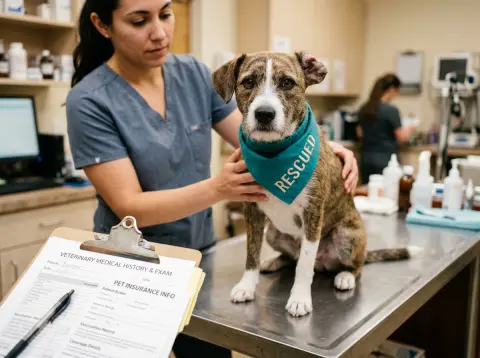
I've seen many rescue dogs initially drink more than average, only for it to normalize once they settle in and their stress levels decrease. However, it's crucial not to dismiss this as "just stress" without ruling out medical causes, especially when a full medical history isn't available. When you adopt from local shelters or rescues, they usually provide whatever health information they have, but past details can be sparse. Monitoring your dog closely during this adjustment period is vital to differentiate between temporary behavioral changes and genuine medical concerns.
When Should You Seek Veterinary Care for Excessive Thirst?
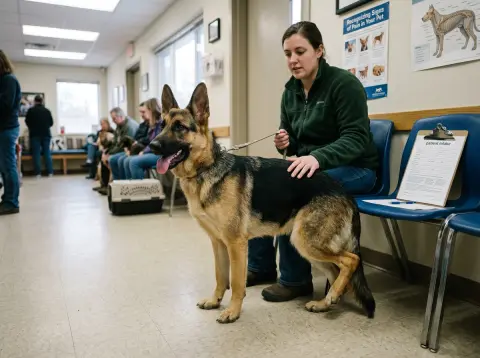
You should seek veterinary care immediately if your dog is drinking so much water suddenly and exhibits any other concerning symptoms. These include lethargy, decreased appetite, vomiting, diarrhea, unexplained weight loss, increased urination or house accidents, changes in urine color, or any signs of pain or discomfort. Even without these additional symptoms, if the excessive thirst persists for more than 24-48 hours, it's time to call your vet. Do not wait.
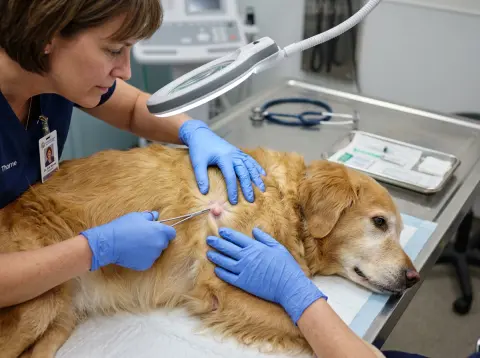
Here's the thing: early diagnosis is often key to effective treatment, particularly for conditions like diabetes or kidney disease. When you call your vet, be prepared to provide details: when you first noticed the change, how much water your dog is drinking (if you can estimate), any other symptoms, and recent changes in diet or medication. This information helps your veterinarian narrow down the potential causes and decide on the most appropriate diagnostic tests, which might include blood work, urinalysis, or imaging.
What Can You Do at Home to Monitor Your Dog's Water Intake?
To accurately monitor your dog's water intake, start by measuring the amount of water you put in their bowl each morning. Refill it with a measured amount throughout the day, noting how much is added. At the end of the day, measure any remaining water to calculate the total consumed. This simple step provides concrete data for your vet and helps you understand if the increase is significant.
Also, keep a log of any other symptoms you observe. Note changes in appetite, energy levels, frequency of urination, stool consistency, or any new behaviors. This detailed record is invaluable for your veterinarian. While you're monitoring, ensure your dog always has access to fresh, clean water. Do not restrict water intake unless specifically instructed by your vet, as dehydration can quickly worsen many underlying conditions. If you're concerned about your dogs for adoption or current companion, gather this information and schedule a non-emergency vet visit within 48 hours for a thorough check-up.