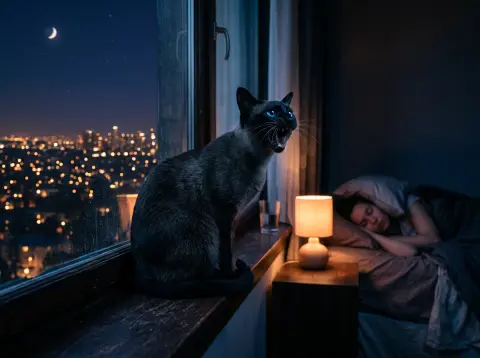
Adopted Cat Meowing All Night: How to Stop It
Adopted cat meowing all night? Discover why it happens, how to create a calm environment, and a realistic timeline to quiet nighttime meows.
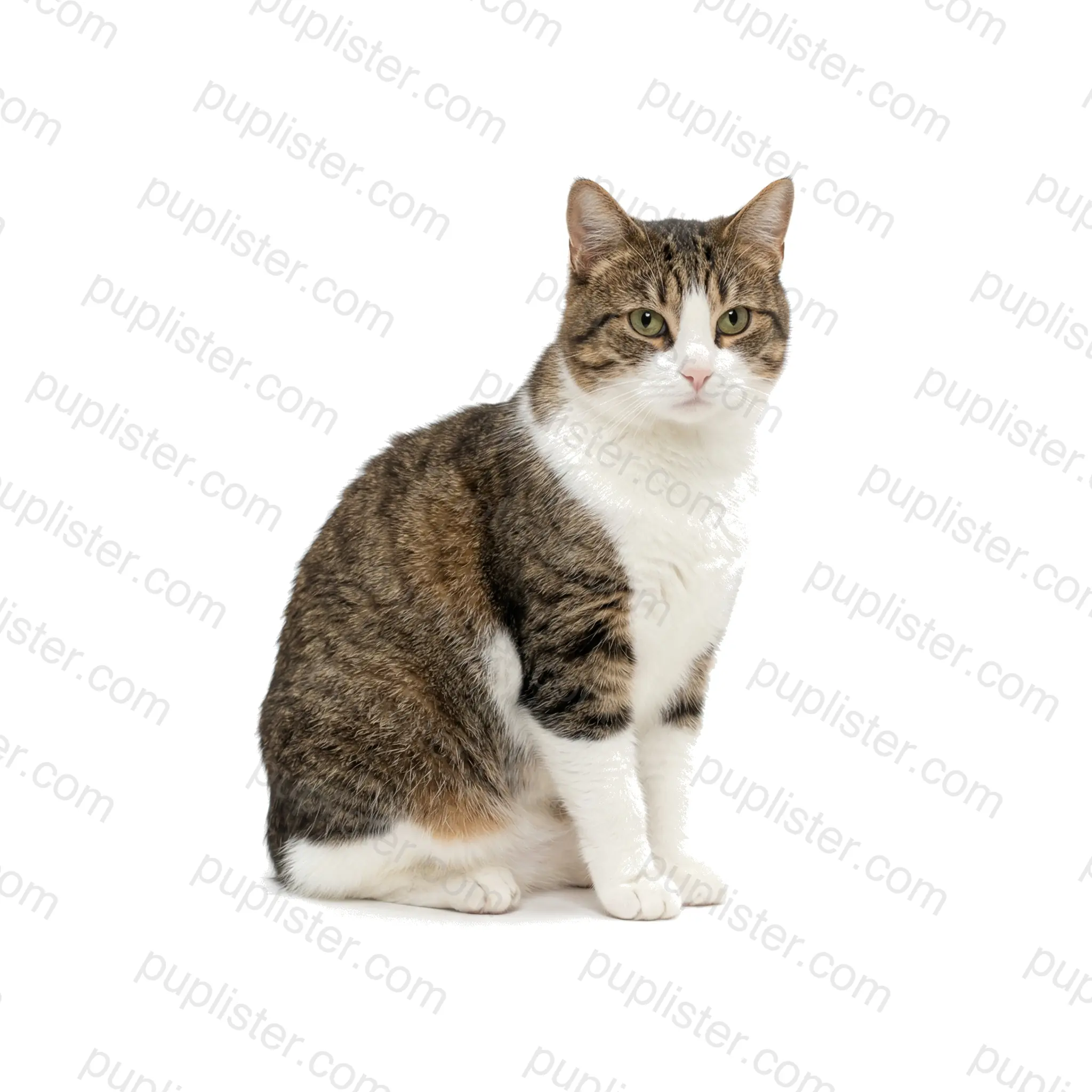
The American Wirehair originated in 1966 from a spontaneous mutation in a litter of farm cats in Verona, New York. This medium-to-large breed weighs 8–15 pounds and is distinguished by its uniquely crimped, springy coat — every hair, including the whiskers, is hooked or bent. Their wiry coat comes in all colors and patterns, and the texture ranges from spongy to dense and coarse.
American Wirehairs are calm, tolerant cats with a quiet, adaptable demeanor that makes them excellent family companions. They enjoy playing but are equally happy to relax on the couch — never demanding attention but always appreciating it. They get along well with children, dogs, and other cats, making them versatile additions to virtually any household.
Explore the unique American Wirehair and other wonderful cats waiting for homes on Puplister.
Answer 5 quick questions to see how well this breed matches your lifestyle.
Check back soon or browse all cats.
3 pets available
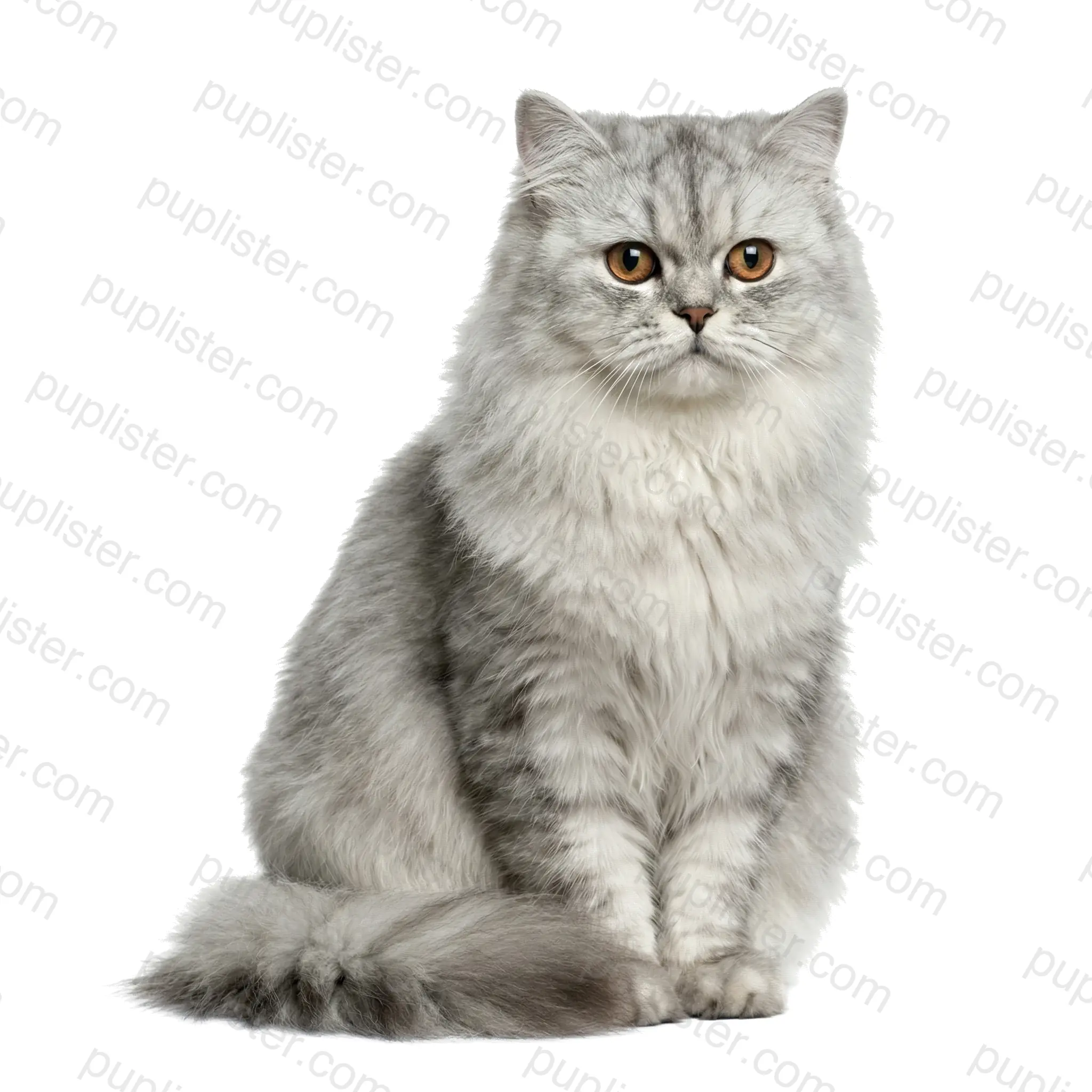
About the Persian The Persian is one of the oldest and most recognizable cat breeds in the world, with roots tracing back to 17th-century Persia (modern Iran) and Turkey. This medium-to-large cat weighs 7–12 pounds and is instantly identifiable by its flat, pansy-like face, enormous round eyes, small ears, and luxuriously long, thick coat that can reach six inches in length. Persians come in over 80 color variations grouped into seven divisions, including solid, silver, golden, shaded, smoke, tabby, particolor, and pointed (Himalayan).Temperament & PersonalityPersians are the quintessential lap cat — calm, sweet-tempered, and content to lounge on the nearest soft surface. They prefer serene environments and predictable routines, rarely displaying the high-energy antics of more active breeds. Gentle and patient with children, they coexist peacefully with respectful kids and laid-back dogs.ProsExtremely calm and gentle — ideal for quiet, relaxed householdsBeautiful, plush coat available in a vast range of colors and patternsLow activity level — content with minimal exercise and indoor livingSweet, undemanding temperament — rarely vocal or pushyConsRequires daily grooming to prevent severe matting and hairballsBrachycephalic face causes chronic breathing difficulties, tear staining, and dental crowdingProne to polycystic kidney disease (PKD), hypertrophic cardiomyopathy, and ringwormEye discharge requires daily cleaning to prevent staining and infectionLonging for a serene, regal companion? Discover Persian cats seeking forever homes on Puplister and welcome quiet elegance into your life.
1 pet available
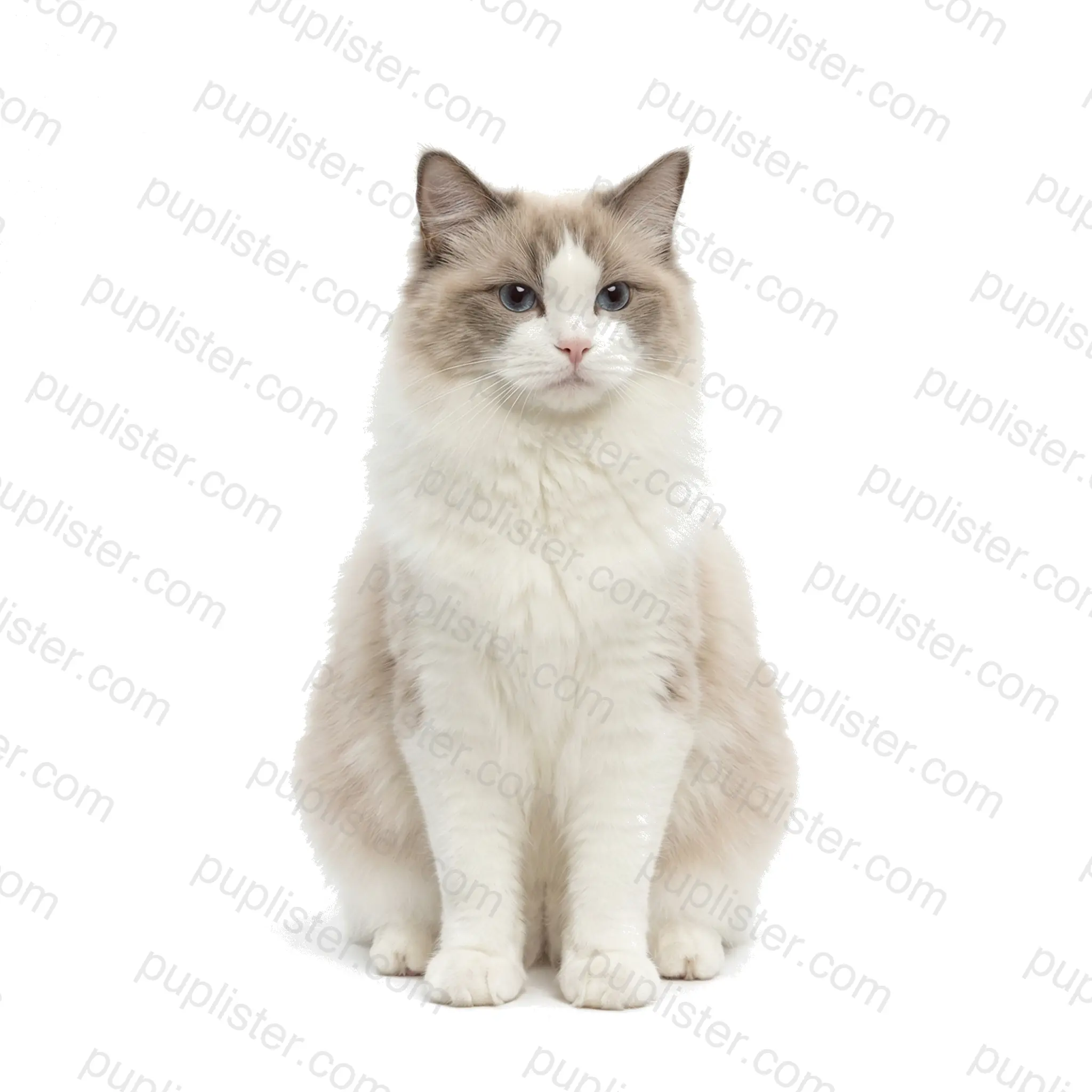
1About the Ragdoll The Ragdoll was developed in the 1960s in Riverside, California, by breeder Ann Baker, who selected for docile, floppy cats that go limp when held — hence the name. One of the largest domestic cat breeds, Ragdolls weigh 10–20 pounds (males often exceeding 15 pounds) and have striking blue eyes, a semi-long silky coat, and a colorpoint pattern with a lighter body and darker extremities. They come in six main colors — seal, blue, chocolate, lilac, red, and cream — with four patterns: colorpoint, mitted, bicolor, and lynx.Temperament & PersonalityRagdolls are famously gentle, relaxed cats that often follow their owners from room to room like loyal dogs. They tend to greet you at the door and flop at your feet, earning their reputation as "floor cats" and "puppy cats." Exceptionally tolerant and patient, they are among the best breeds for families with children and get along beautifully with dogs and other cats.ProsExtremely gentle and tolerant — ideal for households with young childrenSilky coat lacks a dense undercoat, reducing matting and shedding compared to other longhairsCalm, laid-back energy level — content with moderate play and lots of cuddlingDog-like devotion — follows owners, greets guests, and can learn simple tricksConsGenetic predisposition to hypertrophic cardiomyopathy (HCM) — DNA testing recommendedTrusting and non-aggressive to a fault — must be kept strictly indoorsLarge size means higher food costs and need for oversized litter boxesCan develop bladder stones and urinary tract issuesIf a big, blue-eyed lap cat sounds like your dream companion, search for Ragdoll cats available for adoption on Puplister.
1 pet available
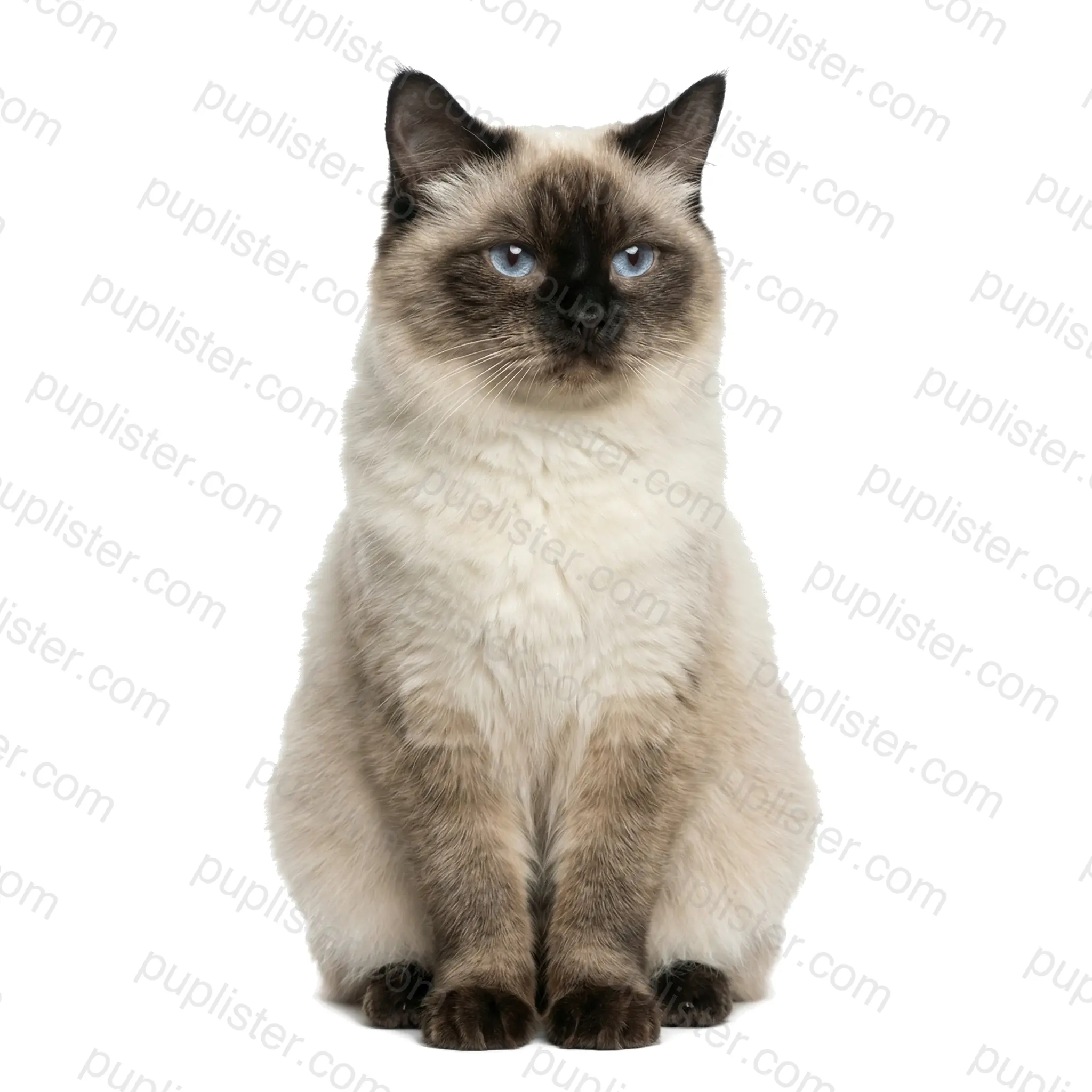
About the Himalayan The Himalayan — known as the Colourpoint Persian in Europe — was developed in the 1930s–1950s by crossing Siamese with Persians to combine the Persian's luxurious coat with Siamese point coloring. This medium-to-large breed weighs 7–14 pounds and has the Persian's flat face, round body, and short legs. Their long, thick, flowing coat comes in all point colors — seal, blue, chocolate, lilac, red, cream, and tortoiseshell — contrasted against a pale cream or white body. Temperament & Personality Himalayans are calm, sweet, and devoted cats that enjoy a serene environment and gentle handling. They are more playful than Persians — thanks to their Siamese heritage — and may enjoy short bursts of activity with a favorite toy. They are patient with well-behaved children and prefer a quiet household, bonding closely with their family while remaining friendly with gentle visitors. Pros Stunningly beautiful — combines Persian elegance with Siamese coloringCalm, gentle personality — ideal for quiet, relaxed householdsDeeply affectionate and loyal to their familyVivid blue eyes inherited from Siamese lineage add to their beauty Cons Coat requires daily grooming — prone to severe matting without consistent careBrachycephalic — prone to breathing difficulties, eye discharge, and dental issuesHigh risk for polycystic kidney disease (PKD) and progressive retinal atrophyHeat-sensitive — must be kept in air-conditioned environments during warm months Ready to pamper a gorgeous Himalayan? Discover cats available for adoption on Puplister today.
1 pet available
1About the Manx The Manx hails from the Isle of Man in the Irish Sea, where its signature taillessness has been documented since at least the 18th century. A sturdy, medium-sized cat weighing 8–12 pounds, the Manx has a round head, prominent cheeks, and powerful hind legs that sit noticeably higher than the front — giving it a distinctive rabbit-like hop. The double coat comes in virtually every color and pattern, from solid white to classic tabby, and ranges from short (Manx) to semi-long (Cymric variant).Temperament & PersonalityManx cats are playful, dog-like companions that often learn to fetch and come when called. They bond deeply with their families and tend to be protective — some owners report their Manx growling at unfamiliar sounds. They generally get along well with children and other pets, though they may pick one favorite person to shadow throughout the day.ProsHighly trainable and can learn tricks, fetch, and respond to commandsExcellent mouser with strong hunting instinctsAdaptable to apartments and houses alikeLoyal and protective of their familyConsManx syndrome — a spinal defect linked to the tailless gene — can cause serious health issues in some kittensProne to arthritis in the tailbone area as they ageThe double coat sheds heavily, especially during seasonal changesMay become overly attached to one person, leading to separation anxietyIf a loyal, playful companion with a unique silhouette sounds like your perfect match, explore Manx cats available for adoption on Puplister today.
Adopted cat meowing all night? Discover why it happens, how to create a calm environment, and a realistic timeline to quiet nighttime meows.
Is your adopted cat not eating? Learn the causes, from stress to past trauma, and discover practical solutions to get your new feline friend eating again.
Is your new cat hiding and won't come out? It's normal, but proactive steps can help. Learn how to build trust with your shy adopted cat.
Discover how long it takes for a rescue cat to feel at home with our experienced guide, covering the 3-3-3 rule and actionable tips.