Balinese Balinese

Balinese

11
Vocal Intelligent Affectionate Playful

About the Balinese

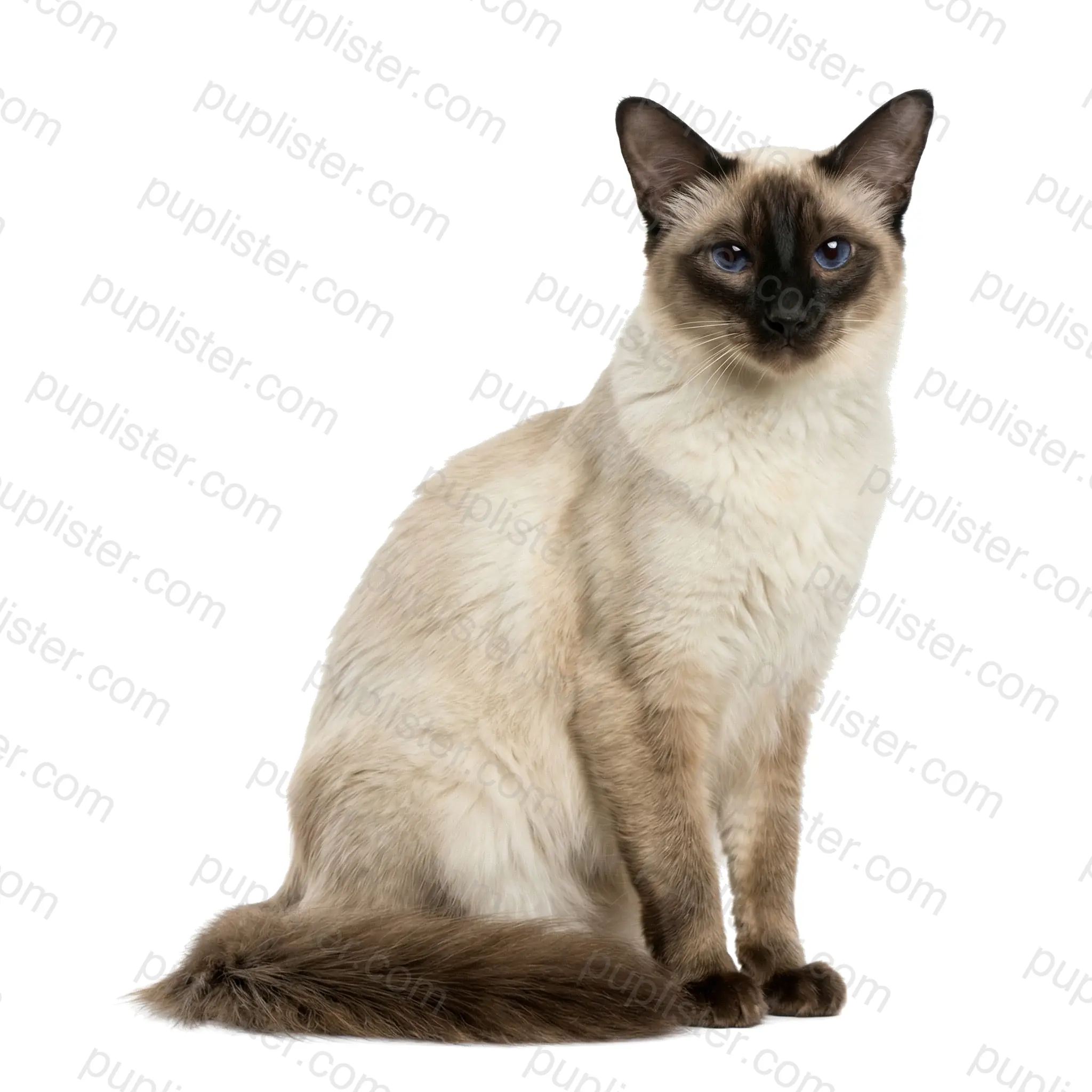
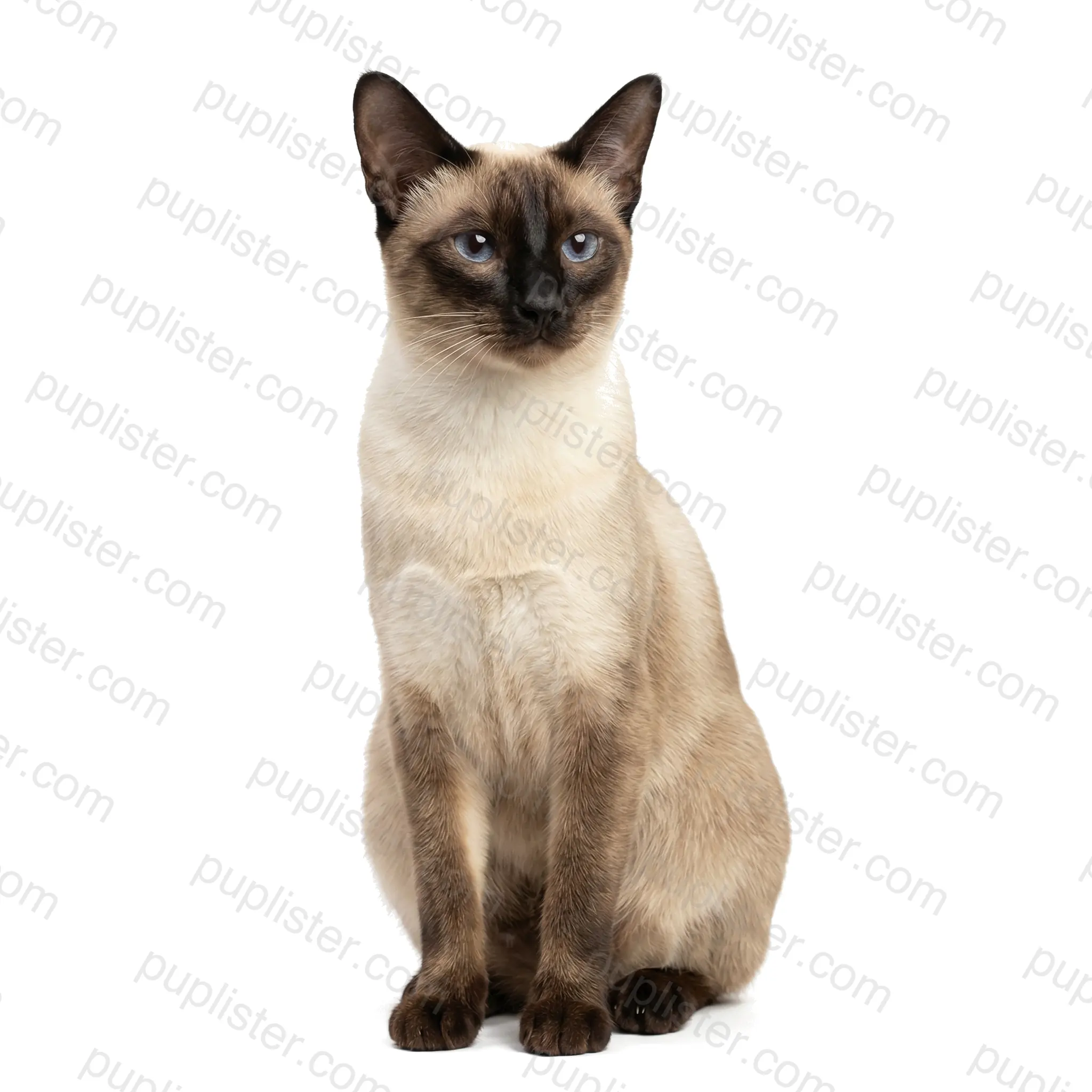
The Balinese is essentially a longhaired Siamese — first recognized in the 1950s when longhaired kittens occasionally appeared in Siamese litters. This medium-sized, elegant breed weighs 5–10 pounds and is known for its striking blue almond-shaped eyes and silky, flowing coat. Their coloring follows the classic Siamese point pattern in seal, blue, chocolate, and lilac — with a creamy body and darker extremities.

Temperament & Personality

Balinese cats are vocal, affectionate, and deeply bonded to their owners — often following them around the house and "chatting" throughout the day. They are highly intelligent, enjoy puzzle toys, and can even learn to walk on a leash. They do well with respectful children and other social pets, though they tend to choose one person as their primary companion.

Pros

  • Produces less of the Fel d 1 allergen — often tolerated better by allergy sufferers
  • Exceptionally intelligent and highly trainable
  • Single-layered coat lacks an undercoat — sheds far less than other longhairs
  • Deeply loyal and forms intense bonds with their chosen person

Cons

  • Very vocal — can be excessively chatty with a loud, demanding voice
  • Prone to Siamese-linked health issues including amyloidosis and dental problems
  • Needs significant social interaction — not ideal for owners who are away all day
  • Can become jealous or demanding if they feel ignored

Looking for a graceful, talkative feline friend? Find Balinese cats and other beautiful breeds available on Puplister.

Balinese Quick Facts

Size
5–10 lbs
Lifespan
12–20 years
Exercise
Moderate
Grooming
Moderate
Good with Kids
Yes
Good with Pets
Yes

Is the Balinese right for you?

Answer 5 quick questions to see how well this breed matches your lifestyle.

Take the Quiz

Available Balineses

Sammy
Young
Sammy
M

Balinese / Mixed

Last Chance Pet Rescue · White Bluff, TN

Related Breeds

Scottish Fold

2 pets available

6

About the Scottish Fold The Scottish Fold traces its origins to a single barn cat named Susie, found in Perthshire, Scotland, in 1961 — the first documented cat with the breed's signature forward-folding ears caused by a natural cartilage mutation. This medium-sized cat weighs 6–13 pounds, has a round head, large round eyes, and a stocky, well-padded body. Scottish Folds come in both longhair and shorthair varieties, in virtually every color and pattern including tabby, solid, bicolor, and calico.Temperament & PersonalityScottish Folds are sweet, easygoing cats known for their quirky habit of sitting in odd positions — including the "Buddha sit" with legs stretched out and paws resting on their belly. They are moderately active and enjoy interactive play without being hyperactive. Gentle with children and amiable with other pets, they adapt well to most living situations.ProsDistinctive, owl-like appearance with those signature folded earsCalm and adaptable — thrives in apartments, houses, and busy households alikeGood-natured and gentle with children and other animalsModerate energy level — playful but not demandingConsThe fold gene causes osteochondrodysplasia — painful cartilage and bone abnormalities in many catsMust never be bred fold-to-fold due to severe skeletal issues in offspringProne to arthritis, especially in the tail, ankles, and kneesEar fold makes them more susceptible to ear infections and wax buildupDrawn to those adorable folded ears and laid-back personality? Find Scottish Fold cats waiting for adoption on Puplister.

Turkish Angora

4 pets available

4

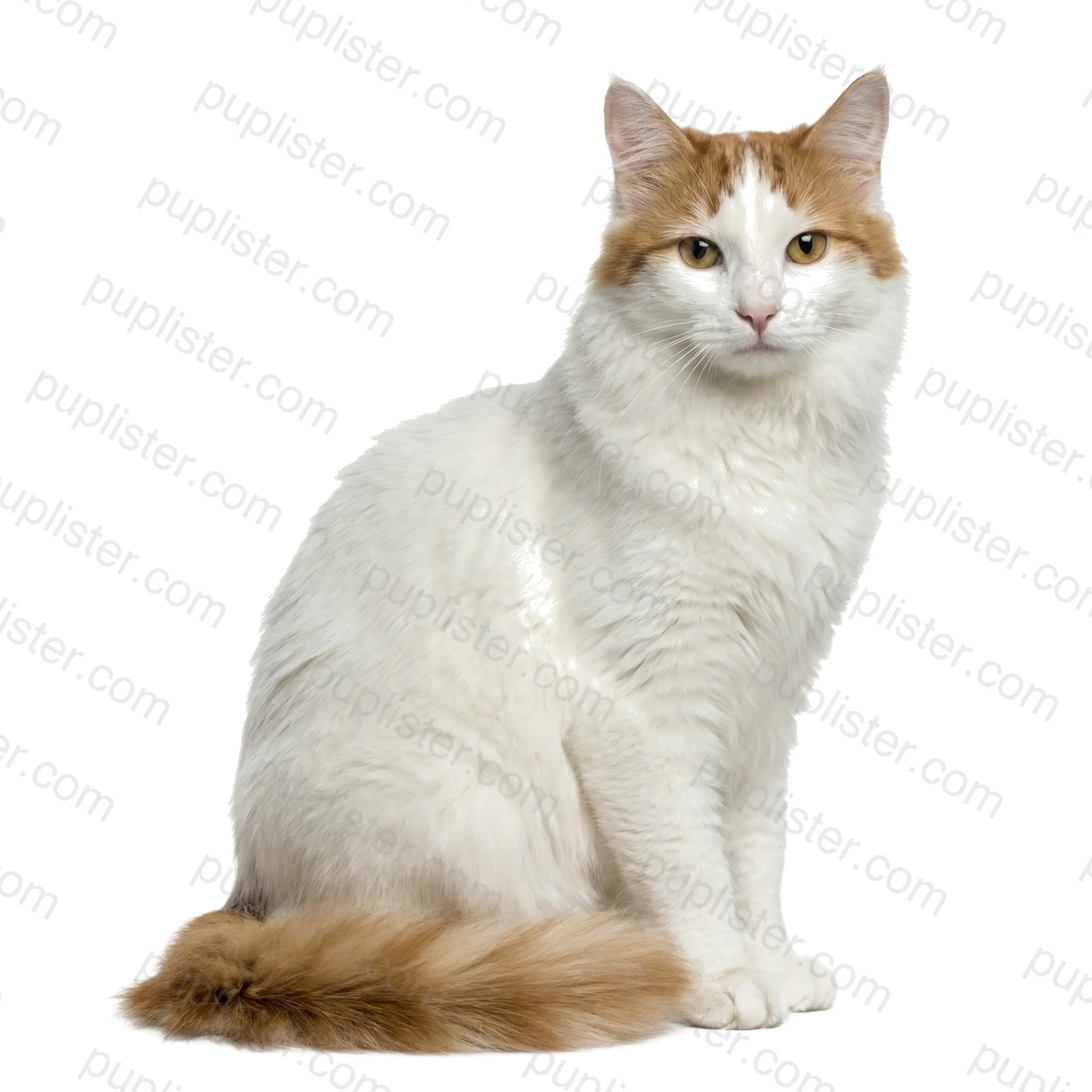
About the Turkish Angora The Turkish Angora is an ancient, naturally occurring breed from central Turkey — specifically the Ankara region — and is one of the oldest known longhaired cat breeds. This small-to-medium cat weighs 5–10 pounds and possesses a graceful, balletic build with a long, plumed tail, silky single-layer coat (no undercoat), and large, walnut-shaped eyes. While white is the most iconic color — often with striking odd eyes (one blue, one amber) — Turkish Angoras come in nearly every color and pattern except pointed.Temperament & PersonalityTurkish Angoras are spirited, intelligent cats that love to be at the center of the action. They are natural athletes — leaping to the highest shelf, opening doors, and inventing games to entertain themselves. Affectionate and strong-willed, they will happily greet guests and supervise every household activity, often choosing one family member as their primary favorite.ProsElegant, silky coat has no undercoat — sheds less and rarely matsHighly intelligent and entertaining — always inventing new games and tricksSocial and welcoming with guests and family alikeNaturally healthy breed with excellent longevity — many live 15–20 yearsConsWhite cats with blue eyes have a high incidence of congenital deafnessStrong-willed and mischievous — can be stubborn about rulesDemands attention and may become disruptive if ignoredProne to ataxia (a hereditary neurological condition) in some linesEntranced by this ancient Turkish treasure? Find Turkish Angora cats looking for loving homes on Puplister and add a touch of grace to your life.

Scottish Straight

1 pet available

5

About the Scottish Straight The Scottish Straight is the straight-eared sibling of the Scottish Fold, born in the same litters but without the ear-fold mutation. This medium-sized cat weighs 6–13 pounds and shares the Fold's round face, big eyes, and compact build — the only visible difference is the upright, normally shaped ears. They appear in all the same coat types, colors, and patterns as the Fold, from short dense coats to flowing longhair in tabby, solid, bicolor, and more.Temperament & PersonalityScottish Straights have the same sweet, mellow temperament as their folded-eared relatives — playful without being hyperactive, affectionate without being clingy. They enjoy interactive play and are known for their soft, chirpy voices. Friendly and adaptable, they do well with children, other cats, and cat-friendly dogs.ProsSame charming Scottish personality without the ear-fold cartilage concernsSignificantly lower risk of osteochondrodysplasia compared to Fold siblingsAdaptable and easygoing in most household environmentsModerate grooming needs — even the longhair variety is manageableConsCan still carry the fold gene and may pass cartilage issues to offspring if bred with a FoldLess distinctive in appearance compared to the Fold — sometimes overlooked by adoptersMay still inherit some predisposition to joint issues from the breed lineProne to weight gain without proper diet management and exerciseWant the beloved Scottish personality with healthier ears? Search for Scottish Straight cats on Puplister and give one a loving home.

Siberian
Siberian Cat

1 pet available

3

About the Siberian The Siberian — Russia's national cat — is a natural breed that has existed in the forests of Siberia for at least 1,000 years, first appearing in Russian fairy tales and eventually standardized as a breed in the 1980s. This large, powerful cat weighs 10–20 pounds and features a triple-layered, waterproof coat that protected it through harsh Russian winters — a dense undercoat, longer middle layer, and coarse guard hairs. They come in all colors and patterns, including the stunning pointed "Neva Masquerade" variety.Temperament & PersonalitySiberians are affectionate, adventurous cats with a playful, kitten-like spirit that lasts well into their senior years. They love water — don't be surprised to find one splashing in the sink or drinking from the faucet. Gentle and patient, they are excellent with children and other pets, and they possess a calm confidence that makes them unfazed by the chaos of a busy household.ProsProduces significantly lower levels of Fel d 1 allergen — often tolerated by cat-allergy sufferersHardy, naturally evolved breed with excellent overall health and longevityAffectionate and playful — retains kitten-like energy into adulthoodGentle and patient — superb family cat for homes with children and other petsConsTriple coat requires regular brushing, especially during heavy seasonal sheddingLarge size means higher food costs and the need for sturdy cat furnitureSlow to mature — may not reach full size and coat until age fiveCan be prone to hypertrophic cardiomyopathy, though less common than in some breedsDreaming of a hypoallergenic gentle giant from the Russian forests? Search for Siberian cats on Puplister and find your perfect fluffy companion.

Related Articles

Frequently Asked Questions

What are the key traits of a Balinese?
The Balinese is known for being vocal, intelligent, affectionate and playful.
How many Balineses are available for adoption?
There is currently 1 Balinese available for adoption on Puplister. Browse the listings above to find your perfect match.
How do I adopt a Balinese from Puplister?
To adopt a Balinese, browse the available listings on this page, click on a pet you're interested in, and contact the shelter directly through their profile page.