Bombay Bombay

Bombay

1
Affectionate Playful Social Intelligent

About the Bombay

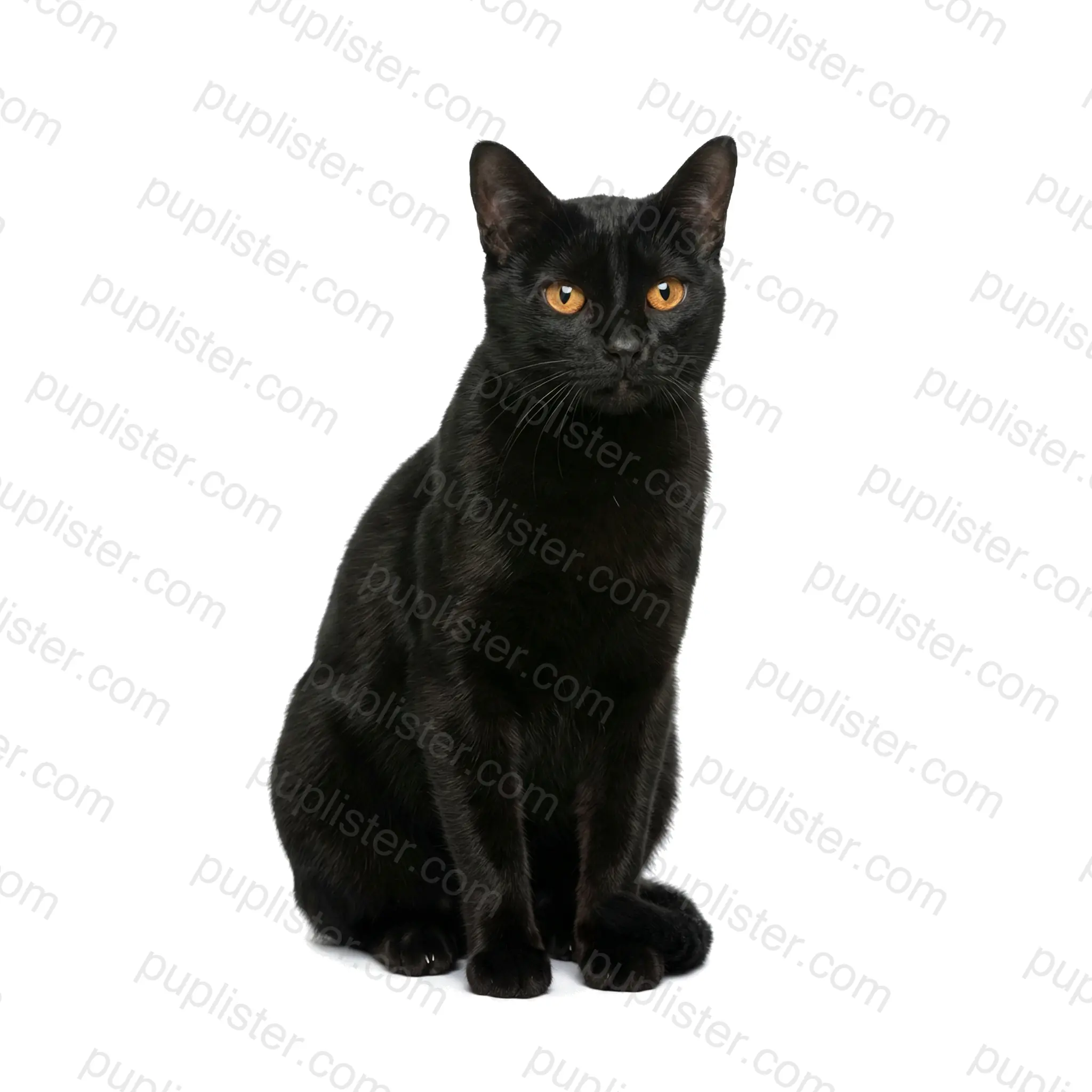
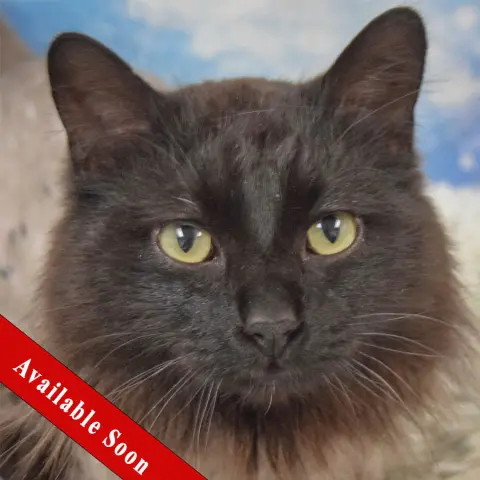
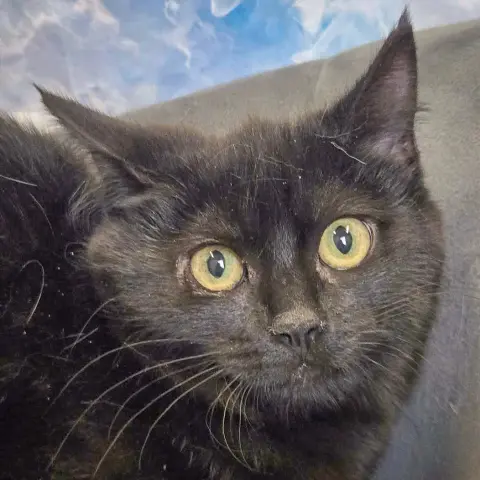
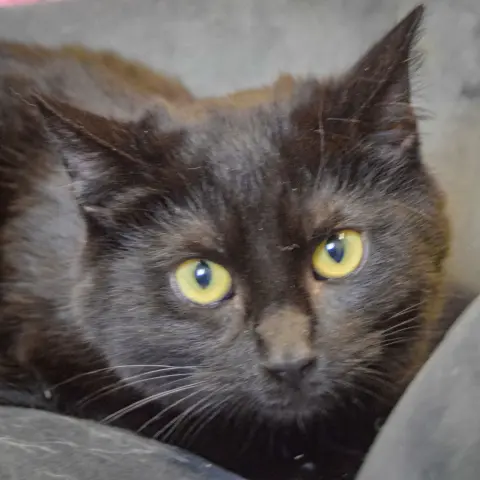
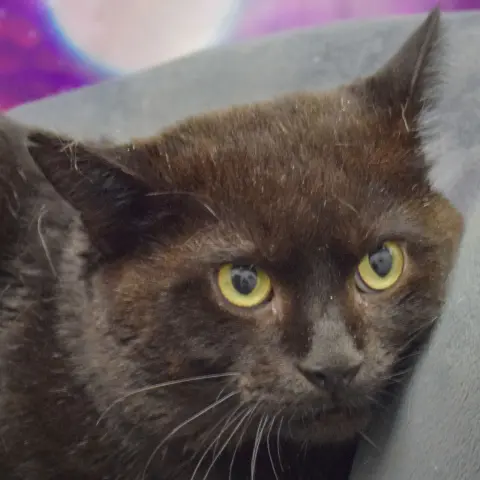
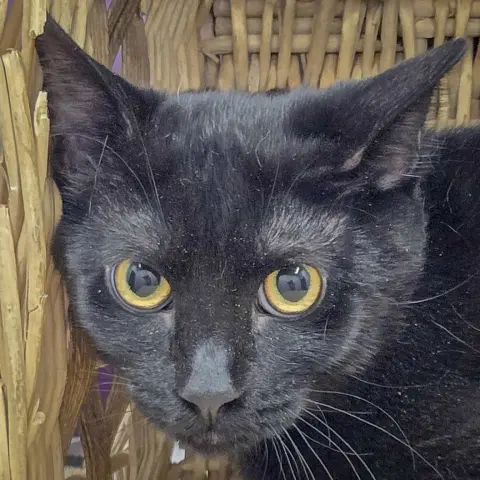
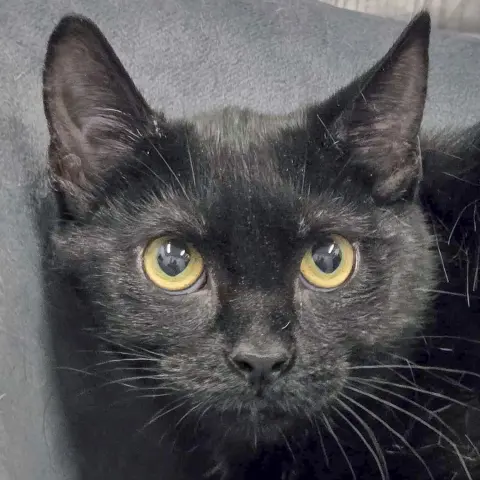
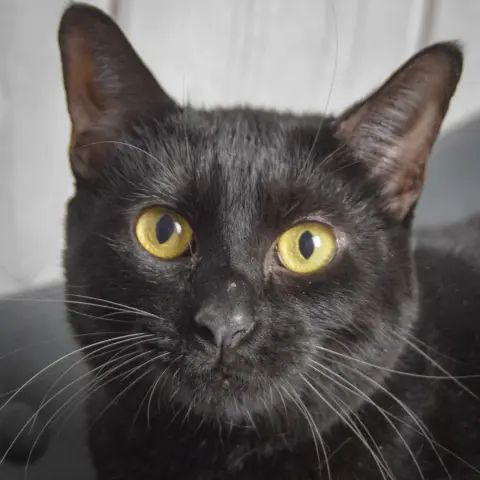
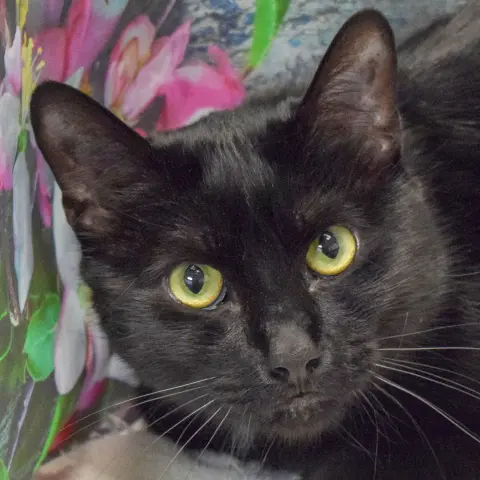
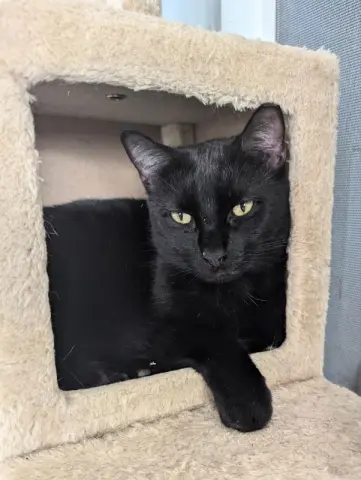
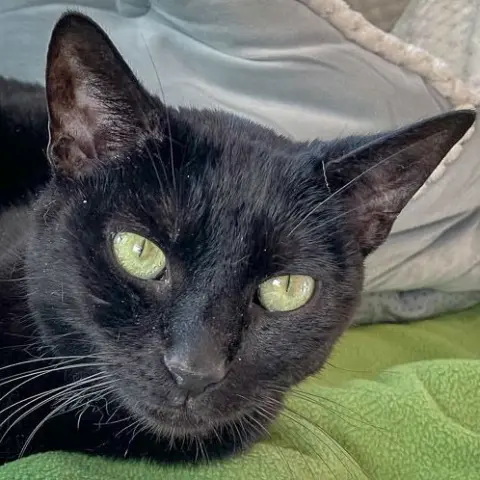
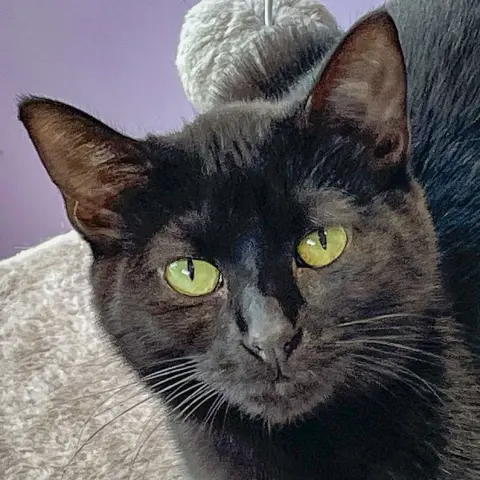
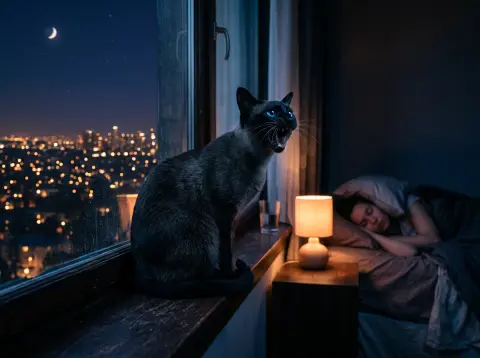
The Bombay was created in the 1950s by breeder Nikki Horner in Louisville, Kentucky, who crossed sable Burmese with black American Shorthairs to produce a cat resembling a miniature black panther. This medium-sized breed weighs 6–11 pounds and has a compact, muscular build with a sleek, jet-black coat. Every feature is black — from their glossy, patent-leather-like fur to their nose leather and paw pads — contrasted only by their striking copper or gold eyes.

Temperament & Personality

Bombays are outgoing, attention-loving cats that thrive on being the center of their family's world. They are remarkably adaptable and get along well with children, dogs, and other cats — often becoming the social director of the household. Their intelligence and trainability make them excellent candidates for learning tricks, and they are known for greeting visitors at the door.

Pros

  • Sleek, low-shedding coat requires minimal grooming
  • Dog-like personality — enjoys fetch, leash walks, and greeting guests
  • Highly adaptable to apartment living and urban environments
  • Craves warmth and is an enthusiastic lap cat and bed companion

Cons

  • Can be excessively needy — does not tolerate being ignored well
  • Prone to craniofacial defects and breathing issues inherited from Burmese lines
  • Overeats easily and is highly prone to obesity
  • May become demanding and vocal when seeking attention

Fall in love with the sleek elegance of the Bombay — find your perfect match among adoptable cats on Puplister.

Bombay Quick Facts

Size
6–11 lbs
Lifespan
12–16 years
Exercise
Moderate
Grooming
Low
Good with Kids
Yes
Good with Pets
Yes

Is the Bombay right for you?

Answer 5 quick questions to see how well this breed matches your lifestyle.

Take the Quiz

Available Bombays

Midnight
Baby 1

Bombay / Mixed

Animal House Shelter · Huntley, IL
Mitzy
Baby
Mitzy
S

Bombay / American Shorthair

Animal House Shelter · Huntley, IL
Noir
Baby
Noir
S

Bombay / Mixed

Animal House Shelter · Huntley, IL
Phantom
Young

Bombay / American Shorthair

Animal House Shelter · Huntley, IL
Bonfire
Baby

Bombay / American Shorthair

Animal House Shelter · Huntley, IL
Moon
Baby
Moon
S

Bombay / Mixed

Animal House Shelter · Huntley, IL
Spider
Baby
Spider
S

Bombay / Mixed

Animal House Shelter · Huntley, IL
Marisol
Baby 1

Bombay / Mixed

Animal House Shelter · Huntley, IL
Mason
Adult
Mason
M

Bombay / Mixed

Animal House Shelter · Huntley, IL
Sissy
Young
Sissy
M

Bombay / Mixed

Sheltering Hands · Ocala, FL
January
Baby

Bombay / Mixed

Animal House Shelter · Huntley, IL
November
Baby

Bombay / Mixed

Animal House Shelter · Huntley, IL

Related Breeds

Bengal
Bengal Cat

3 pets available

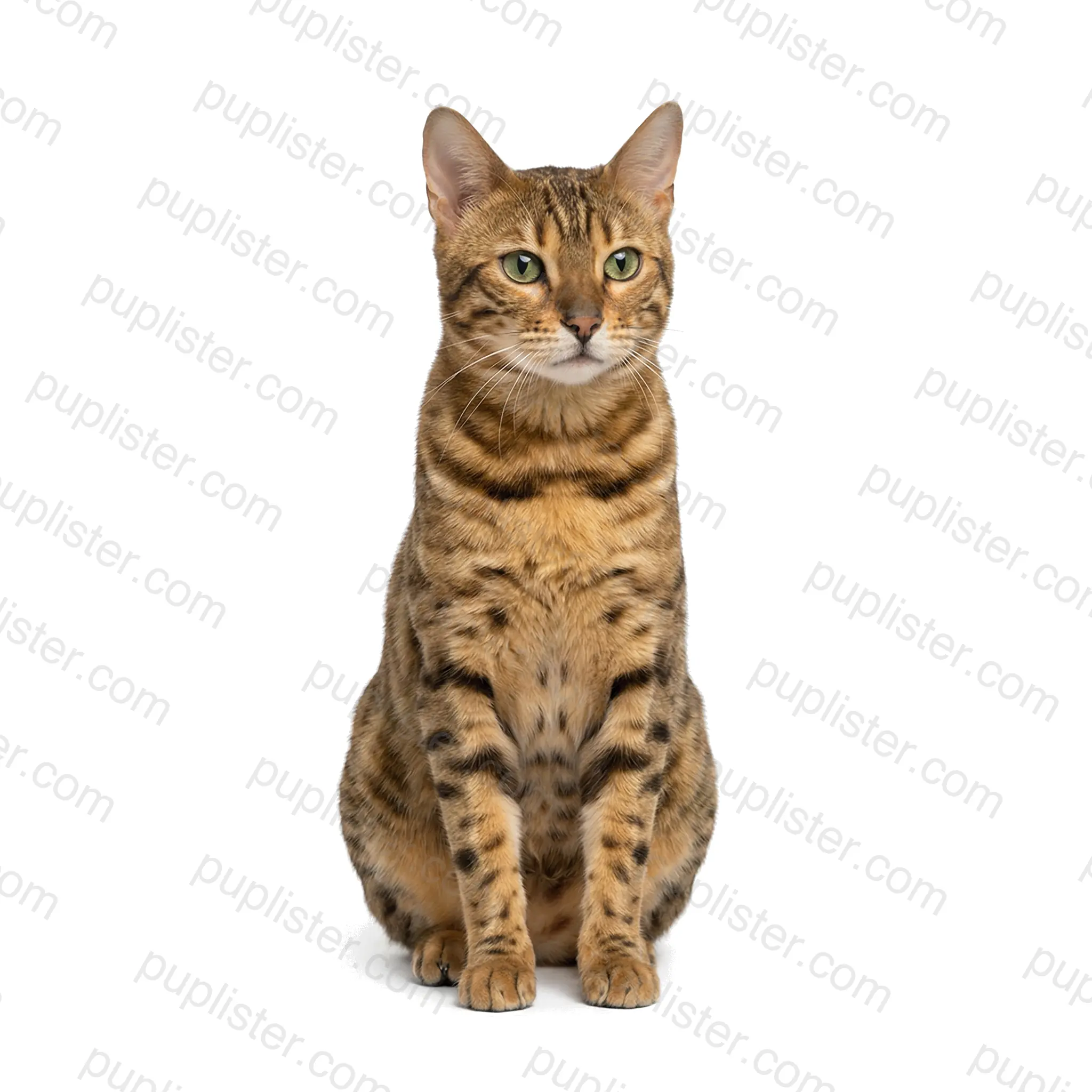
About the Bengal The Bengal was developed in the 1960s–1980s by crossing domestic cats with the Asian leopard cat, creating a breed that looks wild but behaves like a household pet. This medium-to-large breed weighs 8–15 pounds and has a muscular, athletic build with a uniquely glittered coat. Their short, dense fur features bold spotted or marbled patterns in brown, snow, silver, and charcoal — many Bengals have individual hairs tipped with gold that shimmer in the light. Temperament & Personality Bengals are high-energy, intelligent cats that need plenty of physical and mental stimulation to stay happy. They are confident and curious — often fascinated by water and known for playing in sinks, bathtubs, and water bowls. They bond closely with their families and can do well with older children and other active pets, though their intense energy may overwhelm more timid animals. Pros Stunning wild appearance with a uniquely glittered, luxurious coatHighly intelligent — can learn tricks, walk on a leash, and play fetchShort coat is low-maintenance and produces less dander than many breedsLoves water — many Bengals will happily join you near the shower or faucet Cons Extremely high energy — requires extensive daily play and enrichmentCan be destructive if not provided with adequate stimulationVocal breed with a wide range of loud, distinctive soundsProne to hypertrophic cardiomyopathy (HCM) and progressive retinal atrophy (PRA-b) Ready for the adventure of owning a Bengal? Search for adoptable Bengal cats on Puplister today.

Snowshoe
Snowshoe Cat

2 pets available

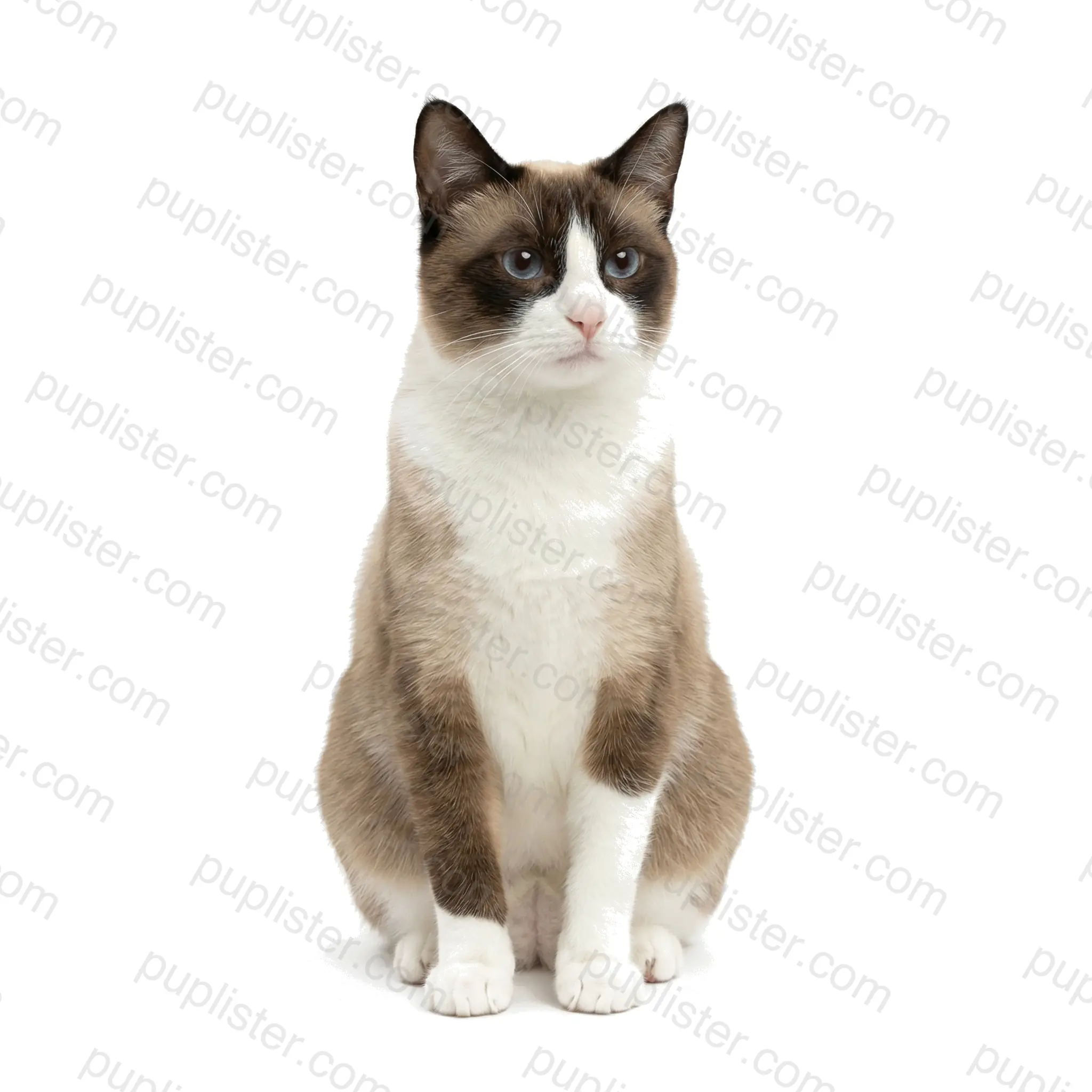
About the Snowshoe The Snowshoe was developed in the 1960s in Philadelphia by crossing Siamese cats with American Shorthairs, creating a pointed cat with distinctive white "boots" on all four paws. This medium-sized breed weighs 7–12 pounds and combines the Siamese's colorpoint pattern with a more robust, moderately stocky build. Their short, smooth coat comes in seal point and blue point, always featuring white paws, an inverted white "V" on the face, and striking blue eyes.Temperament & PersonalitySnowshoes are vocal, social cats that inherit the Siamese's love of conversation but with a softer, more melodic voice. They are playful and intelligent, often learning to open doors and turn on faucets — many Snowshoes are fascinated by running water. They bond closely with their families and can become distressed if left alone for long periods.ProsStriking, unique appearance — the white boots and facial markings are hard to resistVocal but softer-voiced than the Siamese — communicative without being overwhelmingIntelligent and playful — enjoys puzzle toys, fetch, and learning tricksAffectionate and loyal — bonds deeply with family membersConsProne to separation anxiety — needs companionship throughout the dayMarkings are unpredictable — "show-quality" pattern is notoriously difficult to breed consistentlyCan be sensitive and moody — may sulk if they feel ignoredInherited health concerns from Siamese lines, including dental and heart issuesLove the Siamese look with a twist? Browse Snowshoe cats seeking their perfect families on Puplister today.

American Bobtail

5 pets available

1

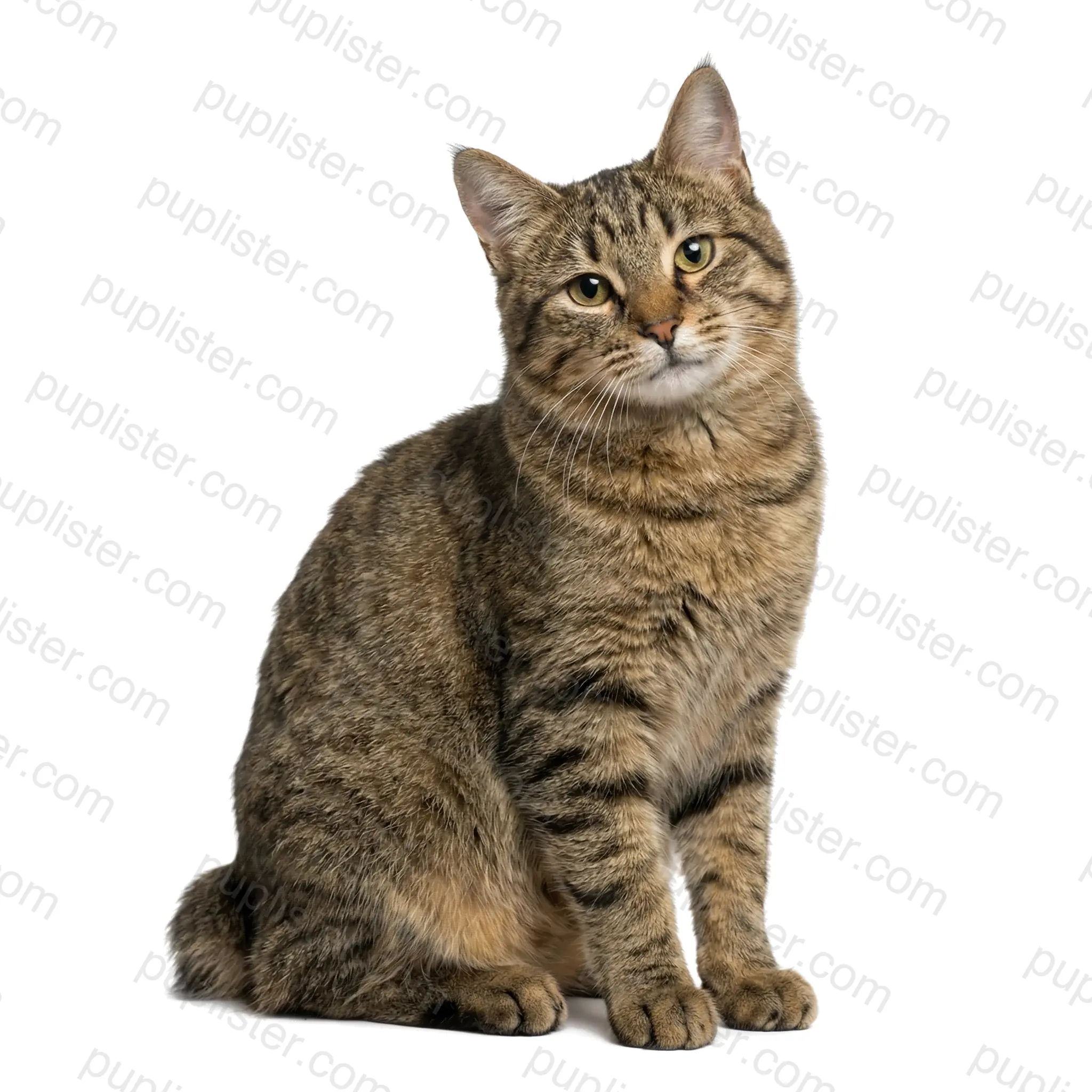
About the American Bobtail The American Bobtail was developed in the 1960s from a naturally occurring short-tailed kitten found in Arizona. This sturdy, medium-to-large breed weighs 7–16 pounds and has a wild, athletic appearance reminiscent of a bobcat. Their coat comes in both short and long varieties in virtually every color and pattern, with their signature bobbed tail ranging from one to four inches long. Temperament & Personality American Bobtails are remarkably adaptable and affectionate cats often described as dog-like in their devotion to family. They get along wonderfully with children, other cats, and even dogs — making them ideal for busy households. Despite their wild appearance, they are gentle, easygoing, and have been used as therapy cats due to their calm, intuitive nature. Pros Exceptionally adaptable — adjusts well to travel and new environmentsGentle and patient with children and other animalsNaturally healthy breed with few genetic predispositionsPlayful yet not overly demanding — enjoys interactive toys and games Cons Can be slow to mature — takes 2–3 years to reach full physical developmentLong-haired variety requires regular brushing to prevent mattingRelatively rare breed — may be difficult to find in sheltersStrong prey drive means small pets like birds or hamsters may be at risk Discover the charm of the American Bobtail — check out adoptable cats of this breed on Puplister.

Oriental Short Hair

2 pets available

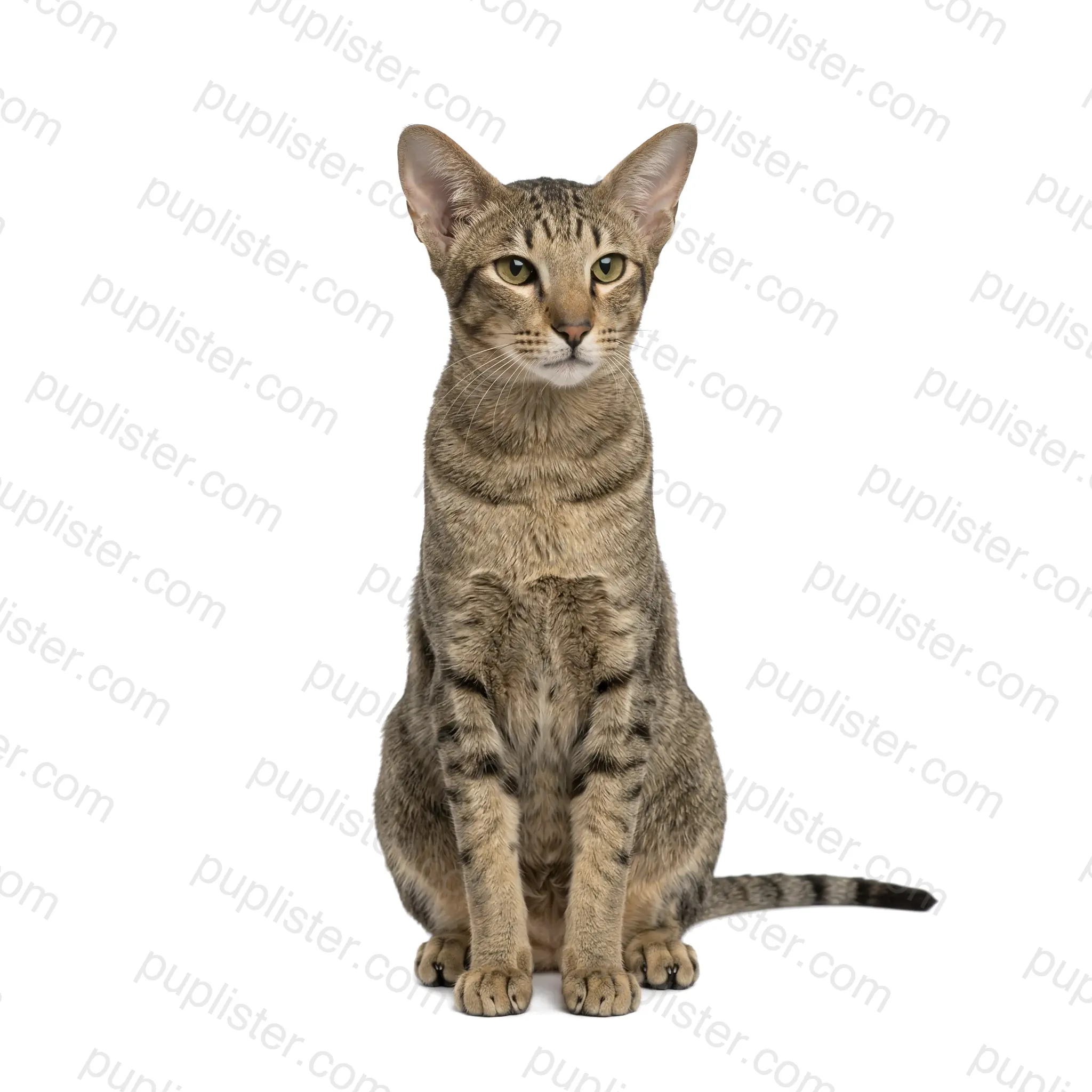
About the Oriental Short Hair The Oriental Shorthair emerged in the 1950s and 1960s when British breeders crossed Siamese cats with Russian Blues, British Shorthairs, and Abyssinians to create a Siamese-type cat in a rainbow of non-pointed colors. Sleek and angular at 6–12 pounds, this breed has a wedge-shaped head, strikingly large ears, vivid green eyes (or blue in white coats), and a short, fine, glossy coat in over 300 color-and-pattern combinations — more than any other cat breed.Temperament & PersonalityOriental Shorthairs are among the most extroverted and opinionated cats in existence — they will tell you exactly what they think in a loud, distinctive voice. Fiercely loyal, they bond tightly to their humans and follow them everywhere, including into the shower. They are athletic, curious, and endlessly entertaining, making them ideal for active households with children and other social pets.ProsIncredible coat variety — virtually every color and pattern availableMinimal grooming needs thanks to the short, close-lying coatHighly intelligent and trainable — enjoys puzzle feeders and learning tricksDeeply loyal and affectionate with family membersConsOne of the most vocal cat breeds — constant meowing can be overwhelmingSevere separation anxiety when left alone — does best with a companion catProne to dental issues, heart disease, and amyloidosisDemands constant attention and can become destructive if under-stimulatedThink you can keep up with this talkative, spirited feline? Search for Oriental Shorthair cats on Puplister and meet your new best friend.

Related Articles

Frequently Asked Questions

What are the key traits of a Bombay?
The Bombay is known for being affectionate, playful, social and intelligent.
How many Bombays are available for adoption?
There are currently 14 Bombays available for adoption on Puplister. Browse the listings above to find your perfect match.
How do I adopt a Bombay from Puplister?
To adopt a Bombay, browse the available listings on this page, click on a pet you're interested in, and contact the shelter directly through their profile page.