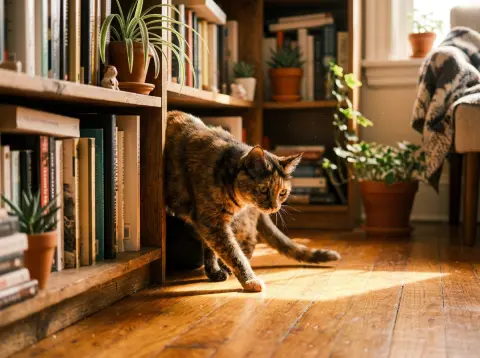
Adopted Cat Meowing All Night: How to Stop It
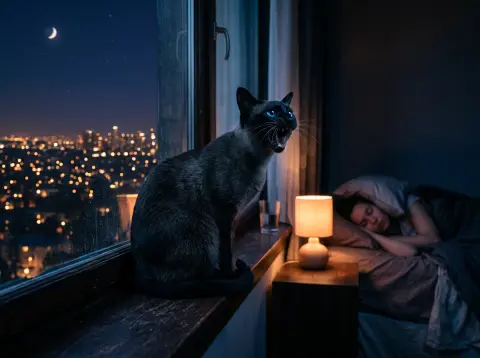
Adopted cat meowing all night? Discover why it happens, how to create a calm environment, and a realistic timeline to quiet nighttime meows.
The Manx hails from the Isle of Man in the Irish Sea, where its signature taillessness has been documented since at least the 18th century. A sturdy, medium-sized cat weighing 8–12 pounds, the Manx has a round head, prominent cheeks, and powerful hind legs that sit noticeably higher than the front — giving it a distinctive rabbit-like hop. The double coat comes in virtually every color and pattern, from solid white to classic tabby, and ranges from short (Manx) to semi-long (Cymric variant).
Manx cats are playful, dog-like companions that often learn to fetch and come when called. They bond deeply with their families and tend to be protective — some owners report their Manx growling at unfamiliar sounds. They generally get along well with children and other pets, though they may pick one favorite person to shadow throughout the day.
If a loyal, playful companion with a unique silhouette sounds like your perfect match, explore Manx cats available for adoption on Puplister today.
Answer 5 quick questions to see how well this breed matches your lifestyle.
5 pets available
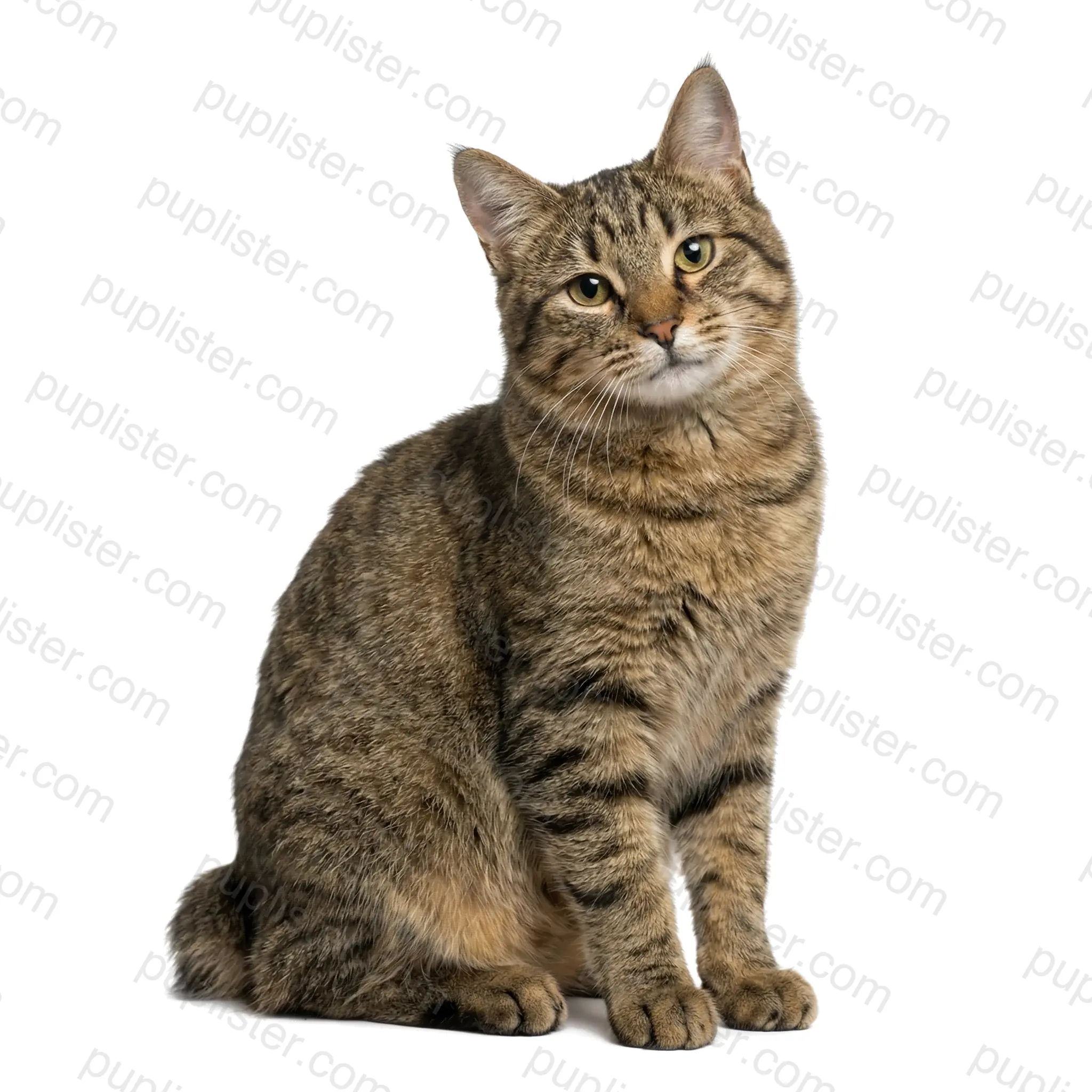
1About the American Bobtail The American Bobtail was developed in the 1960s from a naturally occurring short-tailed kitten found in Arizona. This sturdy, medium-to-large breed weighs 7–16 pounds and has a wild, athletic appearance reminiscent of a bobcat. Their coat comes in both short and long varieties in virtually every color and pattern, with their signature bobbed tail ranging from one to four inches long. Temperament & Personality American Bobtails are remarkably adaptable and affectionate cats often described as dog-like in their devotion to family. They get along wonderfully with children, other cats, and even dogs — making them ideal for busy households. Despite their wild appearance, they are gentle, easygoing, and have been used as therapy cats due to their calm, intuitive nature. Pros Exceptionally adaptable — adjusts well to travel and new environmentsGentle and patient with children and other animalsNaturally healthy breed with few genetic predispositionsPlayful yet not overly demanding — enjoys interactive toys and games Cons Can be slow to mature — takes 2–3 years to reach full physical developmentLong-haired variety requires regular brushing to prevent mattingRelatively rare breed — may be difficult to find in sheltersStrong prey drive means small pets like birds or hamsters may be at risk Discover the charm of the American Bobtail — check out adoptable cats of this breed on Puplister.
2 pets available
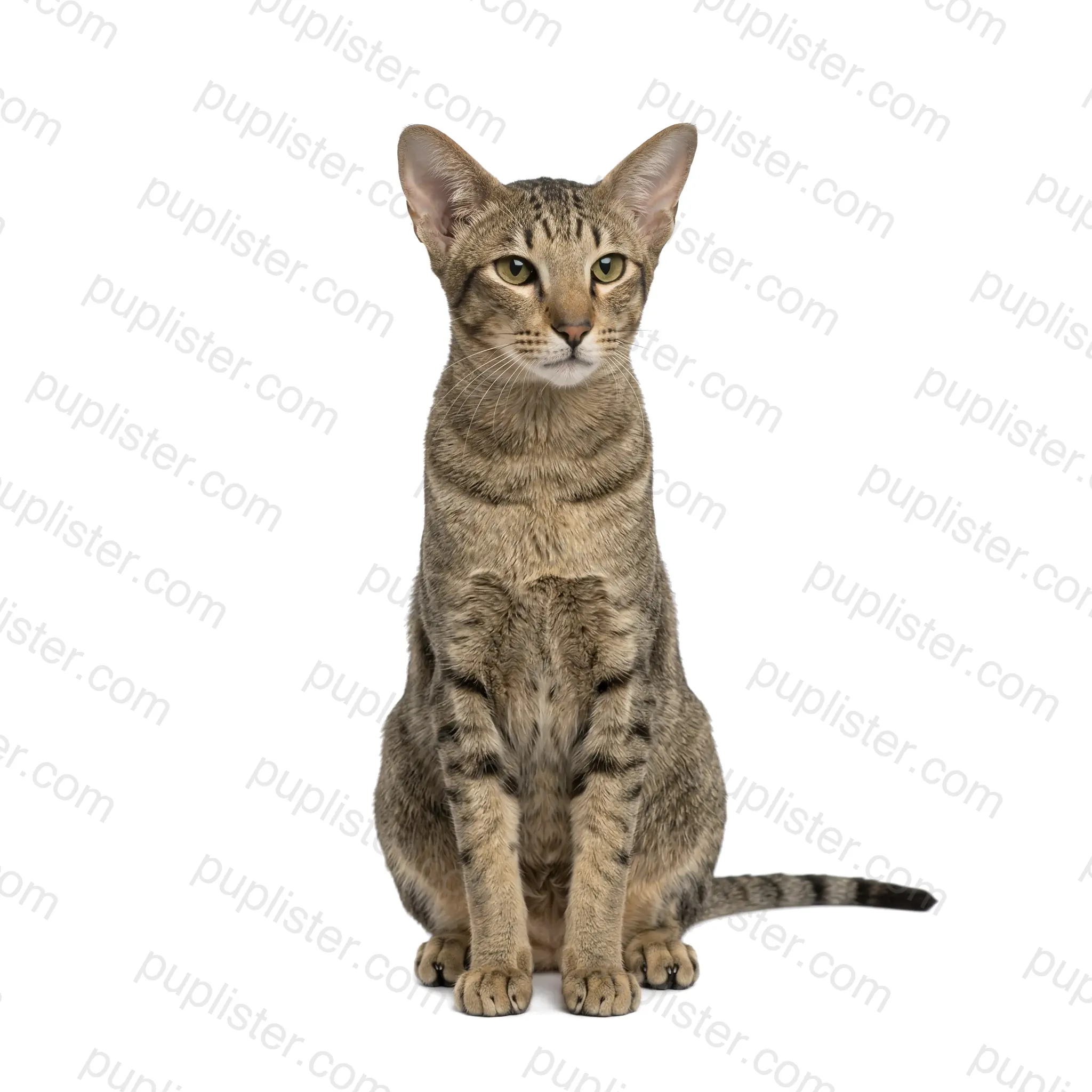
About the Oriental Short Hair The Oriental Shorthair emerged in the 1950s and 1960s when British breeders crossed Siamese cats with Russian Blues, British Shorthairs, and Abyssinians to create a Siamese-type cat in a rainbow of non-pointed colors. Sleek and angular at 6–12 pounds, this breed has a wedge-shaped head, strikingly large ears, vivid green eyes (or blue in white coats), and a short, fine, glossy coat in over 300 color-and-pattern combinations — more than any other cat breed.Temperament & PersonalityOriental Shorthairs are among the most extroverted and opinionated cats in existence — they will tell you exactly what they think in a loud, distinctive voice. Fiercely loyal, they bond tightly to their humans and follow them everywhere, including into the shower. They are athletic, curious, and endlessly entertaining, making them ideal for active households with children and other social pets.ProsIncredible coat variety — virtually every color and pattern availableMinimal grooming needs thanks to the short, close-lying coatHighly intelligent and trainable — enjoys puzzle feeders and learning tricksDeeply loyal and affectionate with family membersConsOne of the most vocal cat breeds — constant meowing can be overwhelmingSevere separation anxiety when left alone — does best with a companion catProne to dental issues, heart disease, and amyloidosisDemands constant attention and can become destructive if under-stimulatedThink you can keep up with this talkative, spirited feline? Search for Oriental Shorthair cats on Puplister and meet your new best friend.
1 pet available
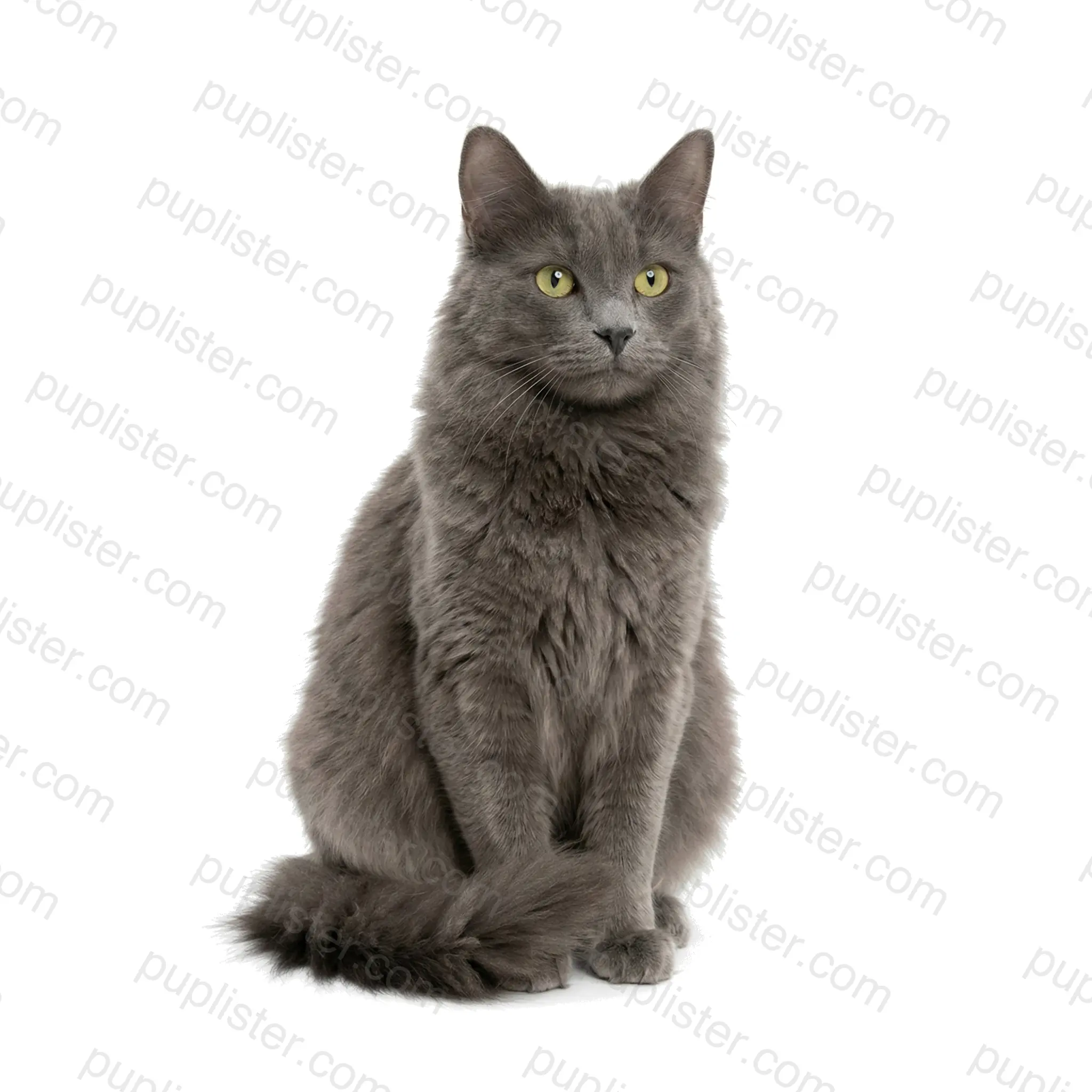
About the Nebelung The Nebelung — German for "creature of the mist" — is a rare, elegant breed developed in the 1980s in the United States from longhaired Russian Blue-type cats. Weighing 7–11 pounds, this medium-sized cat has a long, graceful body, vivid green eyes, and a stunning blue-gray double coat with silver-tipped guard hairs that shimmer in the light. The dense, silky fur forms a noticeable ruff around the neck and plume on the tail.Temperament & PersonalityNebelungs are gentle, reserved cats that form intense bonds with their chosen people but can be shy around strangers. They are creatures of routine — happiest when meals, playtime, and quiet hours follow a predictable schedule. Once comfortable, they are playful and affectionate, often following their favorite person from room to room like a silent blue shadow.ProsStunningly beautiful coat with a distinctive silvery sheenQuiet and calm — ideal for peaceful householdsDeeply loyal and devoted to their familyRelatively healthy breed with few genetic issuesConsExtremely shy with strangers and slow to warm up to new peopleDoes not adapt well to changes in routine or environmentThe long double coat requires regular brushing to prevent tanglesVery rare — difficult to find through adoption or rescueIf a serene, silver-coated companion speaks to your soul, search for Nebelung cats on Puplister and find your misty match.
3 pets available
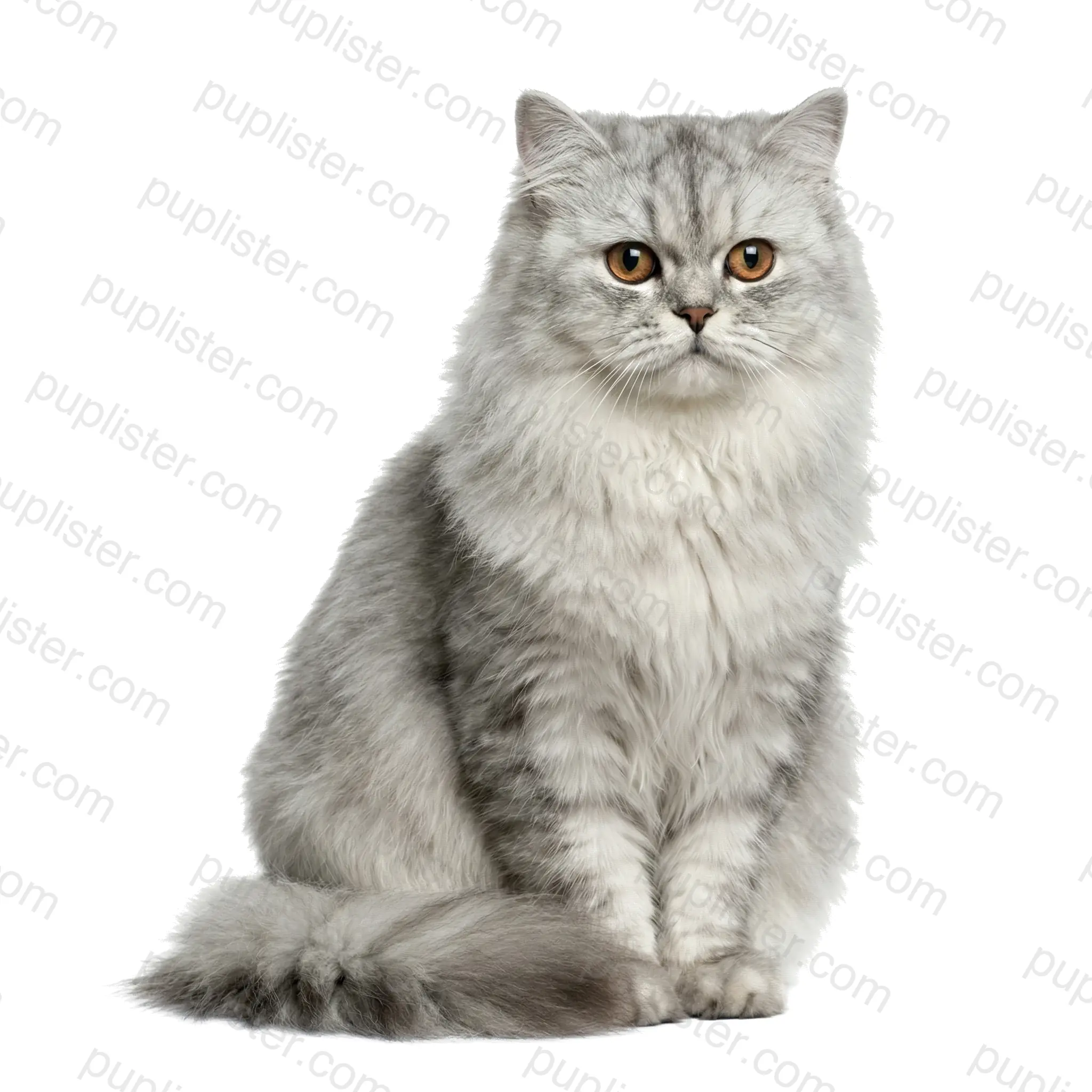
About the Persian The Persian is one of the oldest and most recognizable cat breeds in the world, with roots tracing back to 17th-century Persia (modern Iran) and Turkey. This medium-to-large cat weighs 7–12 pounds and is instantly identifiable by its flat, pansy-like face, enormous round eyes, small ears, and luxuriously long, thick coat that can reach six inches in length. Persians come in over 80 color variations grouped into seven divisions, including solid, silver, golden, shaded, smoke, tabby, particolor, and pointed (Himalayan).Temperament & PersonalityPersians are the quintessential lap cat — calm, sweet-tempered, and content to lounge on the nearest soft surface. They prefer serene environments and predictable routines, rarely displaying the high-energy antics of more active breeds. Gentle and patient with children, they coexist peacefully with respectful kids and laid-back dogs.ProsExtremely calm and gentle — ideal for quiet, relaxed householdsBeautiful, plush coat available in a vast range of colors and patternsLow activity level — content with minimal exercise and indoor livingSweet, undemanding temperament — rarely vocal or pushyConsRequires daily grooming to prevent severe matting and hairballsBrachycephalic face causes chronic breathing difficulties, tear staining, and dental crowdingProne to polycystic kidney disease (PKD), hypertrophic cardiomyopathy, and ringwormEye discharge requires daily cleaning to prevent staining and infectionLonging for a serene, regal companion? Discover Persian cats seeking forever homes on Puplister and welcome quiet elegance into your life.
Adopted cat meowing all night? Discover why it happens, how to create a calm environment, and a realistic timeline to quiet nighttime meows.
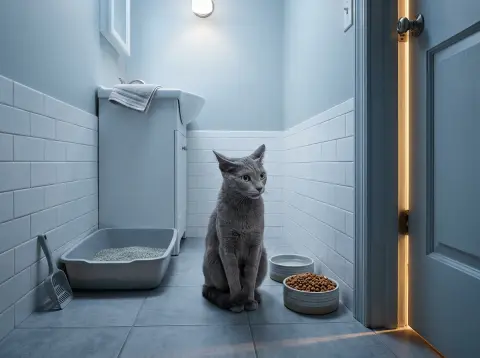
Is your adopted cat not eating? Learn the causes, from stress to past trauma, and discover practical solutions to get your new feline friend eating again.
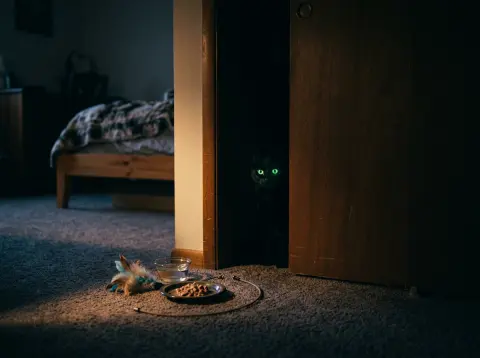
Is your new cat hiding and won't come out? It's normal, but proactive steps can help. Learn how to build trust with your shy adopted cat.
Discover how long it takes for a rescue cat to feel at home with our experienced guide, covering the 3-3-3 rule and actionable tips.